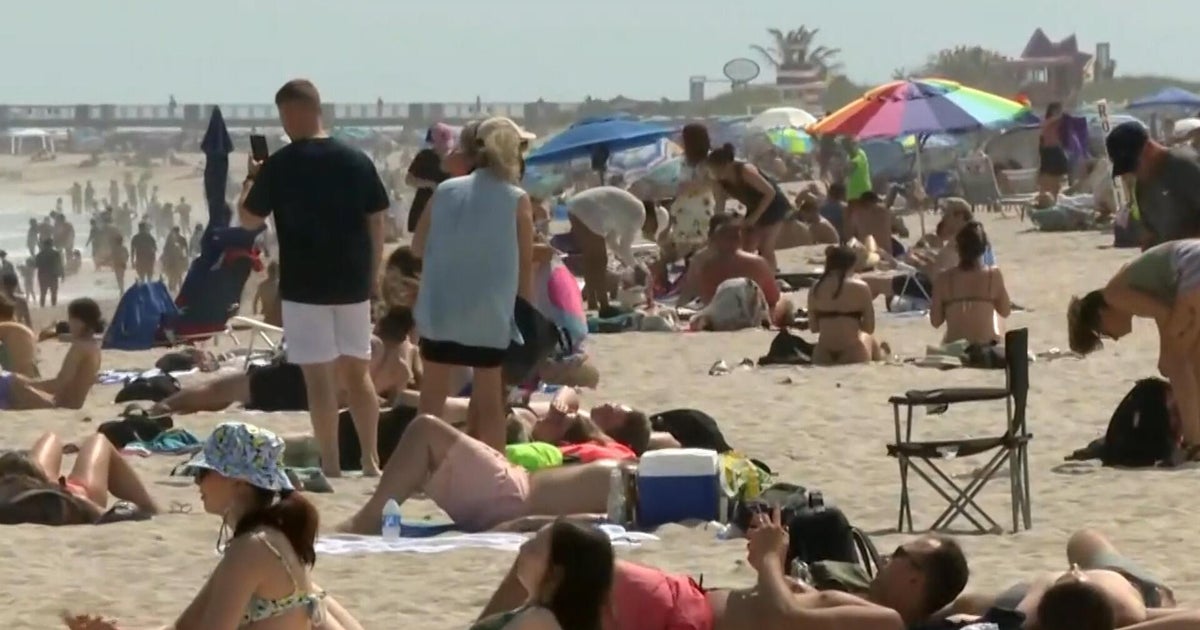
Violence on Mexico’s west coast after the killing of cartel leader 'El Mencho' triggered hotel lockdowns and flight cancellations and prompted a U.S. State Department advisory to exercise increased caution, creating near-term downside risk to bookings and operations for regional airlines and hotels. Concurrently, U.S. measles outbreaks — more than 1,000 confirmed cases in 2026 with South Carolina, Utah and Florida hardest hit per the CDC — add health and reputational risk for spring-break destinations like Miami Beach, which is pivoting away from party-centric marketing and tightening enforcement; monitor cancellations, security-related operating costs and insurance/evacuation claims for travel, hospitality and insurers.
Market structure: Short, Mexico-facing leisure names and regional carriers are immediate losers while higher-end domestic lodging, diversified OTAs, travel-insurance underwriters and vaccine/diagnostics suppliers stand to gain pricing power and share. Expect a 5–25% short-term (2–8 week) demand reallocation away from Mexican Riviera routes and Cancun-adjacent stays toward domestic premium beach/resort inventory and alternative Caribbean/European bookings; MXN likely weakens 2–6% versus USD if advisories persist.
Risk assessment: Tail risks include a protracted cartel escalation or CDC/WHO declarations that drive travel bans — ~5–15% probability over 1–3 months — or a wider measles outbreak forcing closures (10–20% downside to local revenues). Immediate effects (days) are cancellations and slot disruptions; weeks/months see booking windows compressing and price discounting; quarters could show measurable RevPAR and airline regional unit-revenue hits. Hidden dependencies: travel-insurance claim spikes, reinsurance repricing, and local fiscal stress in Mexican tourism towns.
Trade implications: Favor short-duration directional and relative-value trades: long MRK and insurers for policy-driven demand; short/put-spread Mexican/tourism-exposed equities (AMX, CCL, RCL) and selectively short MXN via FX for 1–3 month trades. Use 30–90 day options to capture elevated near-term volatility and set tactical add/trim triggers tied to CDC/State Dept updates and weekly booking delta >10%.
Contrarian angles: Consensus may overstate permanence — historical episodes show 6–12 week recoveries for Mexican tourism after episodic violence, so avoid permanent large-cap shorts (LUV, DAL) and prefer targeted shorts on pure-play Mexico exposure. If Miami’s pivot to higher-end visitors executes, premium hotel chains (MAR, HLT) could recoup losses and out-perform within 2–3 months, making some current weakness a buying opportunity rather than an asymmetric short.
AI-powered research, real-time alerts, and portfolio analytics for institutional investors.
Request DemoOverall Sentiment
mildly negative
Sentiment Score
-0.25
