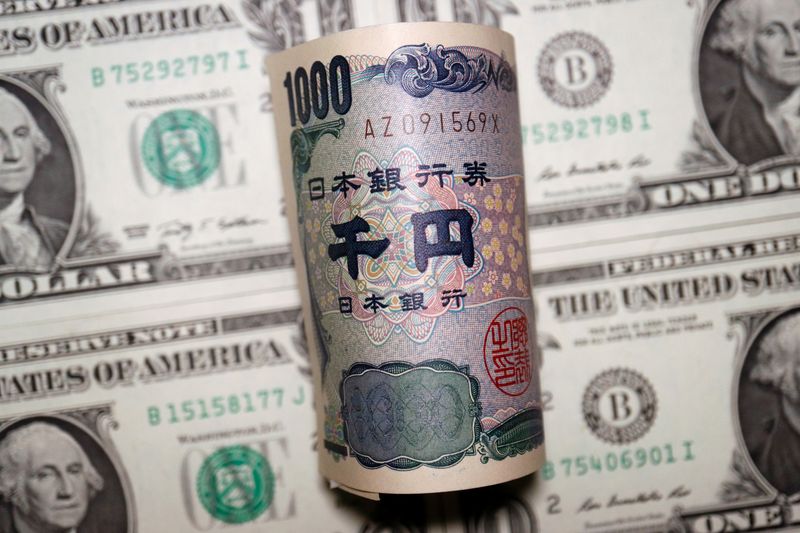
Asian FX was mostly steady to firmer as reports of a tentative U.S.-Iran draft deal to extend the ceasefire for 60 days improved risk appetite and eased concerns around the Strait of Hormuz. Tokyo core CPI slowed to 1.3% year-on-year in May, below the Bank of Japan’s 2% target for a fourth straight month, while April U.S. PCE inflation rose 3.8% y/y, reinforcing expectations for higher-for-longer Fed rates. The U.S. Dollar Index was little changed at 99, with USD/CNY down 0.1%, USD/KRW up 0.5%, and USD/INR down 0.2%.
The immediate market read is a classic “geopolitical relief” trade, but the bigger signal is that oil volatility is now more important than the headline direction of peace talks. If the ceasefire extension holds even temporarily, the first-order winners are lower-beta Asian cyclicals and import-sensitive currencies, while the second-order loser is energy and shipping-related inflation expectations. That matters because a softer energy impulse can act like a short-duration tailwind for equities and EM FX even if the macro growth backdrop remains mediocre.
Japan is the cleaner trading setup than the rest of Asia because the inflation print reinforces a slower BOJ normalization path just as the Fed stays restrictive for longer. That widening rate differential is structurally yen-negative over the next 1-3 months, and it also supports Japanese exporters via translation effects, especially names with high overseas revenue and low energy intensity. The risk is that any renewed escalation in the Gulf would flip the yen back into a safe-haven bid, but that likely takes a sharp move in crude or a failure of negotiations, not just skepticism.
The more interesting contrarian angle is that the market may be underpricing how quickly a stable risk-on impulse can unwind crowded defensive positioning in USD and energy. If the ceasefire extension is confirmed and maintained for several weeks, speculative longs in crude can start to bleed even without a full supply shock reversal, because positioning tends to decay faster than macro fundamentals. Conversely, if the peace narrative fails, the move higher in Asian risk assets should be shallow and brief because inflation-sensitive central banks would reprice tighter for longer, reasserting the same USD support channel that capped the dollar’s downside here.
AI-powered research, real-time alerts, and portfolio analytics for institutional investors.
Request DemoOverall Sentiment
mildly positive
Sentiment Score
0.15
