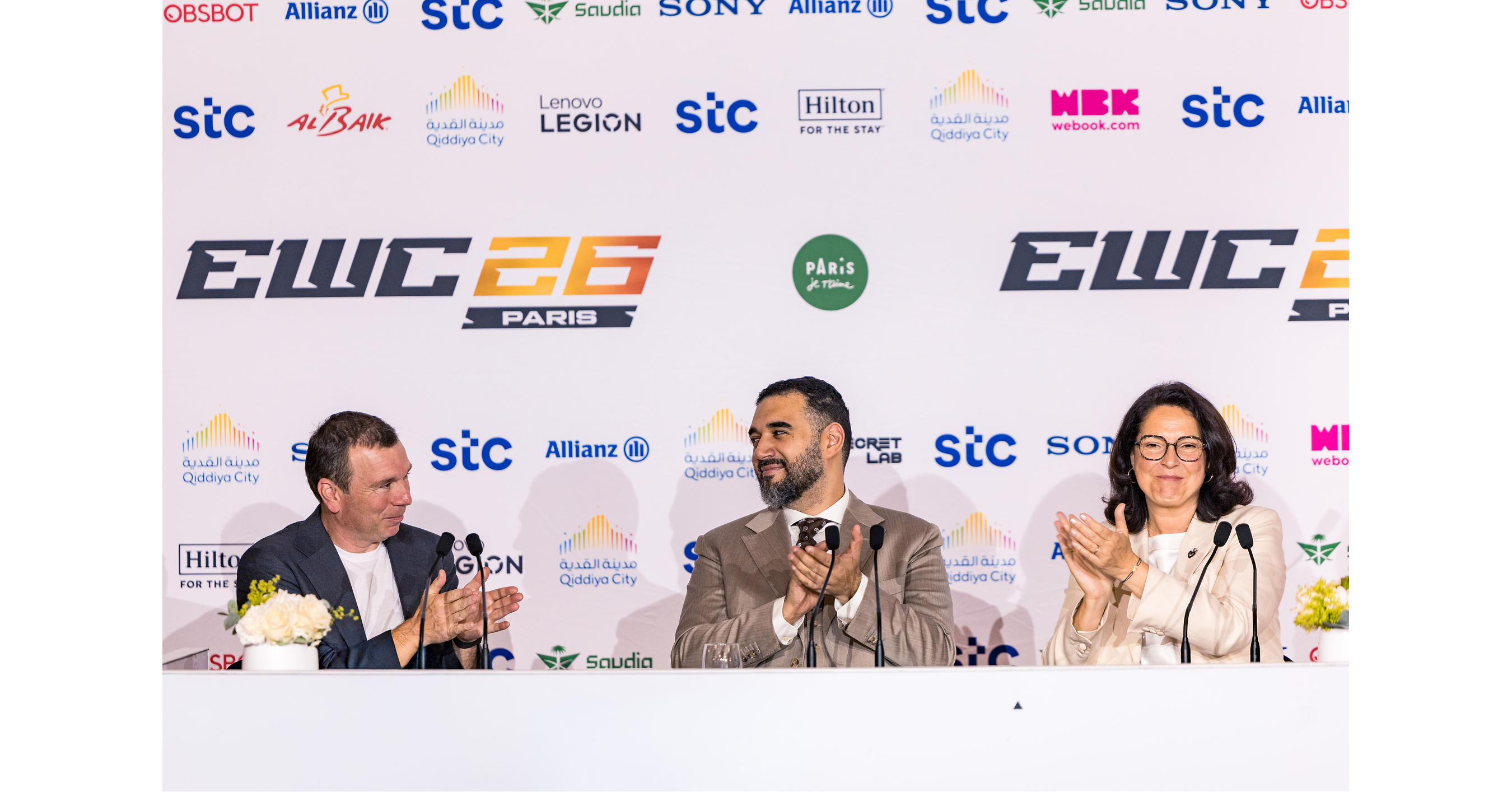
Esports World Cup 2026 officially lands in Paris as part of its record-breaking Road to EWC qualification, drawing 1.5M+ players across 330 tournaments. The event features a $75M prize pool with $30M allocated via the Club Championship (including $7M for the winner), plus 42% YoY growth in its Creator Program and coverage across 160 countries via major broadcast/OTT partners. The news is largely promotional/operational, implying incremental visibility and momentum for esports media and ecosystem partners rather than direct financial results.
This is a legitimacy and distribution story more than an earnings story. The real economic takeaway is that esports is moving from niche sponsorship inventory to a multi-platform content format, which should modestly improve pricing power for the few companies that own both IP and fan graph data; among the listed names, SONY is the cleanest lever because gaming adjacency can spill into first-party content, peripherals, and ecosystem engagement, while Tencent is a lower-quality, more indirect beneficiary via China distribution rather than incremental monetization.
The second-order winner is the media stack, not the tournament organizer: every additional broadcast partner and co-streamer lowers acquisition costs for viewers but also dilutes exclusivity, which caps margin expansion for pure-play esports rights owners. That means the bullish read on audience growth should be tempered by the likelihood that monetization accrues to platforms, publishers, and hardware, while clubs/teams remain structurally weak unless they control IP or creator distribution.
Near term, the catalyst is sentiment and sponsor signaling, not fundamentals. Over 1-3 months, watch whether Sony or Tencent commentary references engagement lift, merchandise attach, or ad inventory uplift; absent that, the move should fade. Over 6-18 months, the real test is whether France's esports strategy translates into repeatable local monetization and whether the event can demonstrate sustainable CPMs and retention after the headline cycle ends.
Contrarian view: the market may overestimate how much prestige alone can change economics. A record-scale event with many outlets can actually compress the scarcity value of esports content, making the revenue pie bigger but the slice per participant smaller. If viewership data disappoints or sponsor renewals do not re-rate, the current optimism around the sector should be treated as a trading blip rather than a durable rerating.
AI-powered research, real-time alerts, and portfolio analytics for institutional investors.
Request DemoOverall Sentiment
moderately positive
Sentiment Score
0.45
Ticker Sentiment
