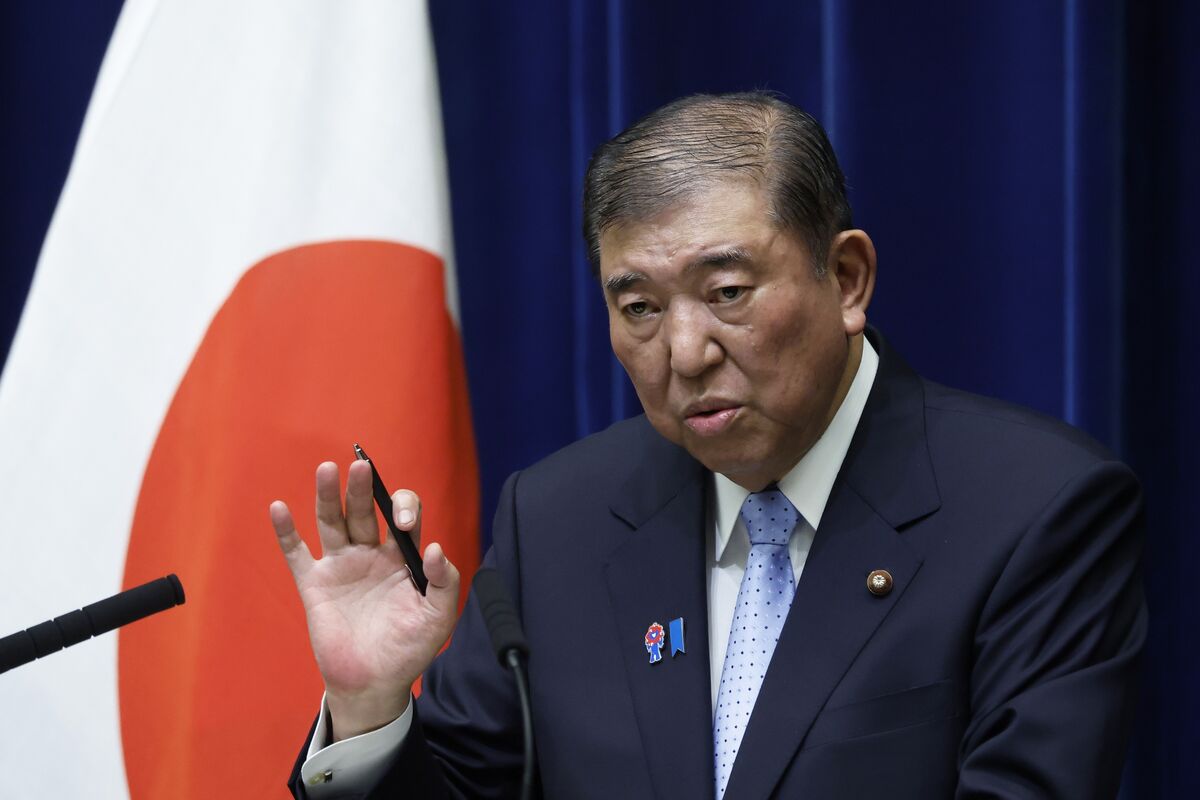
Campaigning for Japan's upper house election commences Thursday, with the political future of Prime Minister Shigeru Ishiba and his minority government at stake. The election is pivotal given Ishiba's administration has achieved mixed success, securing budget passage but facing prolonged challenges in trade negotiations with Washington, making the outcome crucial for policy continuity and government stability.
The upcoming upper house election in Japan represents a pivotal moment for Prime Minister Shigeru Ishiba's minority government, introducing significant political uncertainty for investors. The administration's track record since its inception last October has been mixed, characterized by a notable domestic success in passing the budget through coalition-building, but contrasted by a prolonged and thus far unfruitful attempt to secure a trade deal with Washington. This dichotomy creates a precarious situation where the election outcome will directly impact policy continuity. A favorable result could empower the administration to break the current impasse on trade and pursue its agenda more forcefully, whereas a poor showing could weaken its standing, potentially leading to political instability or a shift in fiscal and trade strategies.
AI-powered research, real-time alerts, and portfolio analytics for institutional investors.
Request DemoOverall Sentiment
mixed
Sentiment Score
-0.15
