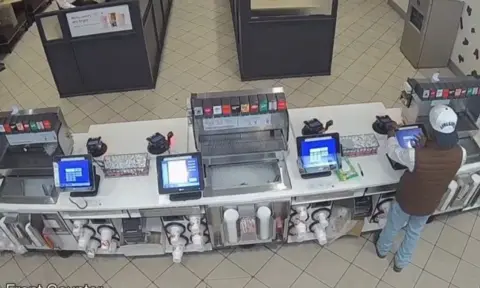
A former Chick-fil-A employee was charged in an alleged $80,000 fraud scheme involving 800 trays of mac-and-cheese, with prosecutors alleging he used the point-of-sale system to issue unauthorized refunds to personal credit cards. The case includes charges of property theft, money laundering and evading arrest, and the suspect is reportedly in custody. While the dollar amount is material, the article reads as a legal and reputational issue rather than a business-model or sector-wide market driver.
This is not a company-wide demand story; it is a controls-and-governance incident that is likely immaterial to near-term fundamentals for a private consumer brand, but it does highlight a second-order risk for large-franchise restaurant systems: point-of-sale and refund authorization weaknesses can quietly translate into real cash leakage. The more important read-through is for operators with high employee turnover and decentralized store-level permissions, where abuse typically clusters around catering, refunds, and gift-card rails because those workflows have the weakest reconciliation discipline.
The market implication is mostly reputational and process-related rather than financial. For a premium quick-service name, the damage comes from any narrative that service consistency and internal controls are less robust than the brand premium implies; that can matter disproportionately if it intersects with broader consumer softness or if similar incidents surface elsewhere, creating a pattern. Over the next days, the catalyst set is limited unless management commentary acknowledges a control gap; over months, the risk is that franchisors and peers tighten systems, raising operating friction and modestly pressuring store-level labor efficiency.
The contrarian angle is that one viral incident should not be extrapolated into demand weakness or brand erosion. If anything, visible enforcement and improved controls can be a net positive for the system by reducing loss rates and signaling discipline. The bigger issue is not consumer traffic but whether the incident becomes a template for copycats at other chains with similar refund mechanics; if that happens, the operational headwind is broader than the headline suggests.
AI-powered research, real-time alerts, and portfolio analytics for institutional investors.
Request DemoOverall Sentiment
moderately negative
Sentiment Score
-0.45
Ticker Sentiment
