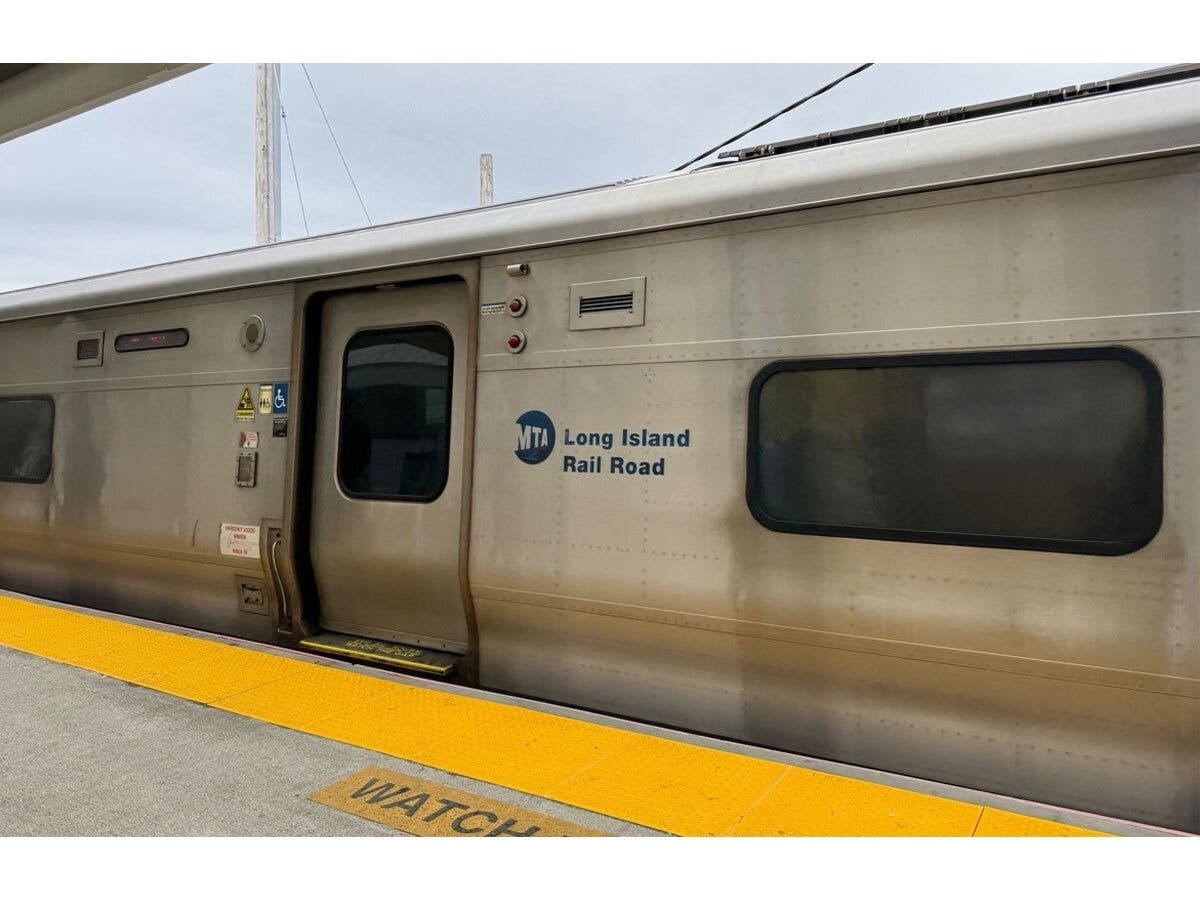
Negotiations between the MTA and five LIRR unions ended without a deal, leaving roughly 3,500 workers one day closer to a strike and potentially disrupting about 300,000 daily commuters. The core dispute remains 2026 compensation, with unions seeking a 5% raise versus the MTA's 3% proposal; a Presidential Emergency Board had recommended 4.5%. The MTA says its latest offer would cost $133.788 million over 2023-2026, but the sides remain split on how the money is paid out ahead of the May 15 11:59 p.m. deadline.
The market-relevant issue is not the strike itself but the asymmetry between a hard deadline and a politically constrained buyer. That combination raises the odds of a short, sharp service shock rather than a long labor resolution, which means the near-term winners are modal substitutes and anything that monetizes commuter disruption, while the losers are businesses with high Long Island/New York exurban exposure and just-in-time labor demand.
The second-order effect is on elasticity: once riders are forced into alternatives for even a few days, some share never returns cleanly, especially for discretionary suburban commuting and event travel. That creates a temporary tailwind for subway-adjacent parking, buses, ride-hail, and potentially regional bus operators, but the bigger medium-term read-through is political—if the state leans against fare/tax increases, the system’s funding gap gets pushed forward, raising the probability of deferred maintenance or future labor retrenchment. That matters more than a one-off wage settlement because it can bleed into reliability, capex timing, and future labor negotiations.
Consensus is likely underestimating how much of the damage is concentrated in the first 72 hours: commuter behavior, office attendance, and event attendance can reprice quickly, while the actual contract outcome may be largely priced as a political compromise. The contrarian angle is that a deal can still be reached with limited economic loss, so outright bearish positions on the region are lower conviction than catalyst-driven trades around congestion, parking, and alternatives. If the strike is averted, the unwind in those substitutes should be equally fast, making timing crucial.
The cleanest risk is that this turns into a last-minute, headline-driven resolution, which would fade the trade almost immediately. The cleaner upside is a brief strike or even just elevated strike odds into the deadline, because markets usually pay for certainty of disruption, not just disruption itself.
AI-powered research, real-time alerts, and portfolio analytics for institutional investors.
Request DemoOverall Sentiment
mildly negative
Sentiment Score
-0.20
Ticker Sentiment
