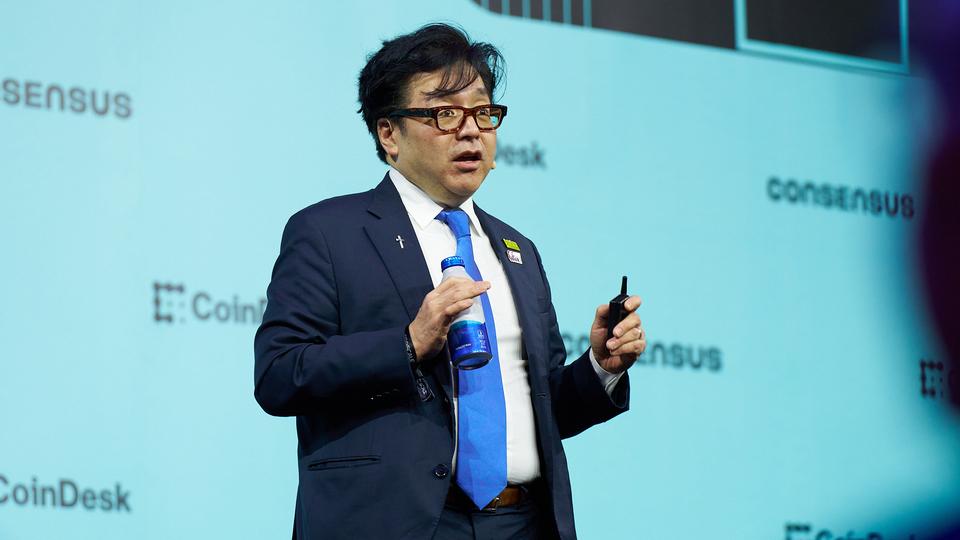
Tom Lee says potential IPOs from SpaceX, OpenAI, and Anthropic could add trillions in post-lockup supply, equal to roughly 5% to 6% of the S&P 500’s market capitalization. He argues the market can absorb the supply because family offices, pensions, and high net worth investors are underallocated to public equities and may rotate back in. Lee also highlighted tokenization, instant settlement, and blockchain-based asset borrowing as key themes driving Wall Street interest in crypto and AI.
The market implication is less about headline dilution and more about who has to fund it. If the next wave of private-to-public conversions is as large as implied, the first-order buyer is not the S&P itself but the underweight allocator set: pensions, endowments, family offices, and crossover funds that have spent years chasing private marks and will likely need public beta to rebalance. That creates a surprisingly supportive tape for mega-cap tech if the supply is met by long-only rotation rather than forced liquidation; the pressure point is not day-one IPO pricing but the 3-12 month lock-up overhang.
The real second-order effect is a capital recycling event across the AI stack. A successful listing of frontier-model companies would validate the financing model for compute, power, data center REITs, and GPU supply chains, but it also raises the bar for every adjacent private AI company trying to come public. Expect relative multiple compression in late-stage private AI names that cannot show durable unit economics, while listed infrastructure beneficiaries with hard assets should see stronger bid support as investors seek “real” exposure to the AI capex trade.
The contrarian miss is that large supply does not automatically mean large sell pressure if insiders can synthetically monetize through borrowing and hedging. That reduces near-term market impact but creates a longer-duration overhang: if rates stay elevated or public comps rerate lower, borrowing capacity shrinks and deferred selling becomes eventual selling. The risk window is months, not days; the catalyst to reverse the benign absorption thesis would be a weak IPO aftermarket, failed follow-on demand, or a macro drawdown that forces allocators to stop rotating into risk assets.
AI-powered research, real-time alerts, and portfolio analytics for institutional investors.
Request DemoOverall Sentiment
neutral
Sentiment Score
0.12
Ticker Sentiment
