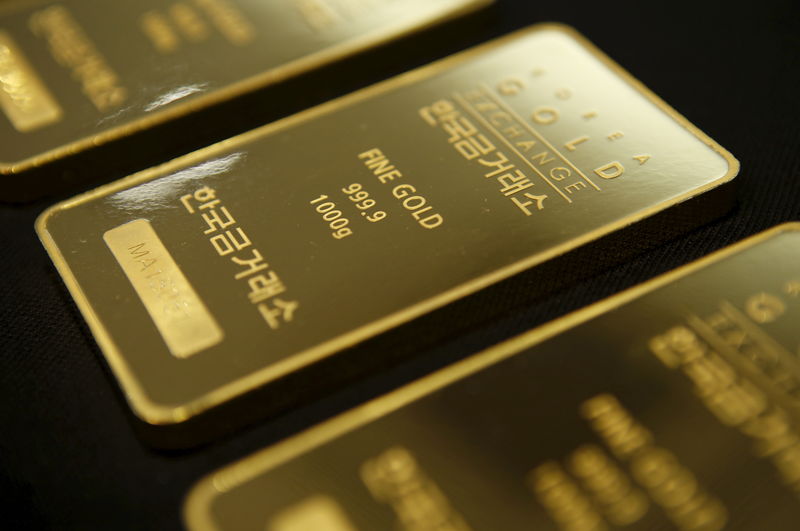
Brent crude fell 5% to below $100/barrel as weekend developments boosted hopes for a U.S.-Iran peace deal and a reopening of shipping through the Strait of Hormuz. The shift eased inflation and supply concerns, while a sharp drop in the dollar and Treasury yields helped gold jump 1.5% to $4,577.12/oz, silver rise 3.8%, and platinum gain 2%. The article points to meaningful market-wide implications for energy, metals, FX, and rates.
The market is pricing a de-escalation regime before any durable political settlement exists, which is why the first-order move is less important than the second-order squeeze in positioning. If shipping through Hormuz normalizes, the biggest beneficiary is not just crude buyers but the entire inflation hedge complex: breakeven inflation, rates vol, and the dollar all lose their geopolitical bid simultaneously. That matters because the prior oil shock was acting like a hidden tightening cycle; removing it mechanically loosens financial conditions even if the Fed does nothing.
The most vulnerable assets are those that were long the “war premium” through input-cost pass-through or scarcity premiums. Energy producers with high beta to spot oil can underperform faster than the commodity if the market starts discounting a rapid resupply cycle, while airlines, chemicals, transport, and industrials get an immediate margin tailwind before analysts revise estimates. The more interesting second-order effect is that lower rates and a softer dollar can extend the rally in duration-sensitive growth assets even if their fundamentals are unchanged, because the macro discount rate is what has been repricing.
The contrarian risk is that this is a headline-driven air pocket rather than a structural de-risking: a failed follow-through on uranium, naval access, or enforcement could snap oil back higher within days. In that case, the current move would punish crowded shorts in energy and reward those who bought volatility rather than direction. Time horizon matters: the near-term trade is about positioning unwind over 1-3 sessions; the medium-term thesis depends on whether shipping insurance, tanker flows, and OPEC spare capacity actually normalize over several weeks.
For SMCI and APP, the read-through is not direct fundamentals but a lower discount-rate / higher-liquidity impulse if yields keep falling. That can support multiple expansion over the next 1-4 weeks, especially in names with high momentum and retail participation, but only if the peace narrative holds long enough for systematic flows to re-risk.
AI-powered research, real-time alerts, and portfolio analytics for institutional investors.
Request DemoOverall Sentiment
mildly positive
Sentiment Score
0.25
Ticker Sentiment
