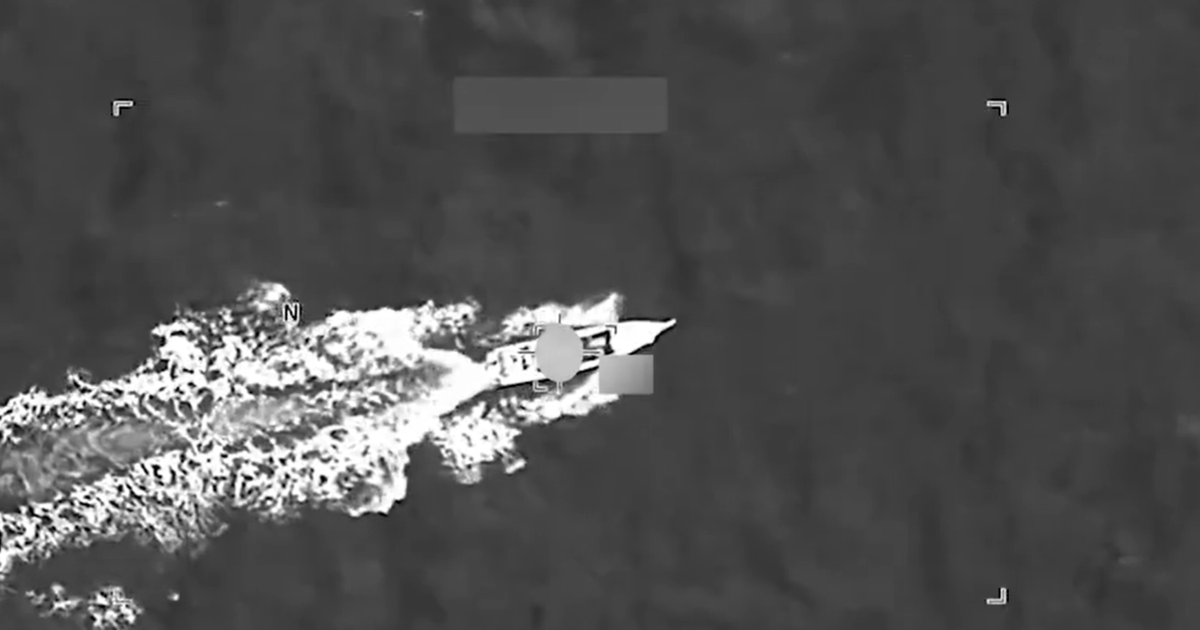
The U.S. military said it killed 3 people in another strike on an alleged drug boat in the Caribbean Sea, bringing the campaign's reported death toll to at least 181 across 54 targeted vessels since early September. The strikes, which also extended into the eastern Pacific, highlight sustained U.S. military escalation against suspected narcotrafficking networks, while critics continue to question the legality and evidence behind the operation. The news is geopolitically sensitive and could keep defense and regional risk premiums elevated.
This is less about drug interdiction than about the normalization of extraterritorial force as a policy tool. The market implication is a higher probability of spillover into shipping insurance, regional sovereign risk, and legal discovery risk for any contractor, platform, or intelligence vendor exposed to the chain of custody around these strikes. If the campaign keeps expanding, the second-order effect is not higher commodity prices but a widening discount on Latin America-linked assets: ports, logistics, insurers, and EM credit with any Venezuela/Colombia/Mexico contamination.
The near-term catalyst is not the strike count itself but the potential for a casualty event involving a noncombatant, allied naval asset, or commercial vessel misidentified as tied to trafficking. That would force a rapid legal/political escalation window measured in days, not months, and could reprice marine war-risk premiums and regional air/sea routing costs almost immediately. Over a 3-6 month horizon, the bigger tail risk is judicial or congressional pushback that constrains the campaign; that would compress the geopolitical risk premium in exposed defense names while leaving the legal overhang on the administration unresolved.
The investable asymmetry is in the enablers and the collateral beneficiaries, not the headline names. Defense electronics, ISR, and unmanned systems suppliers can see follow-on demand if this becomes a persistent maritime counter-narcotics theater, while marine insurers and select shippers face a negative convexity if incident frequency rises. The consensus is likely underpricing how quickly a “law enforcement” narrative can morph into a standing regional conflict framework, which expands budgets for surveillance, drones, and command-and-control even if the strikes themselves face legal challenge.
Contrarian view: the market may be overstating persistence. If the administration fails to produce public evidence or a defensible legal framework, the campaign could lose operational tempo within one quarter, which would cap any defense re-rating and quickly mean-revert regional risk premia. That creates a tactical setup: long the enablers on dips, but fade any broad risk-off move in Latin America unless there is a second incident with clear commercial spillover.
AI-powered research, real-time alerts, and portfolio analytics for institutional investors.
Request DemoOverall Sentiment
moderately negative
Sentiment Score
-0.30
