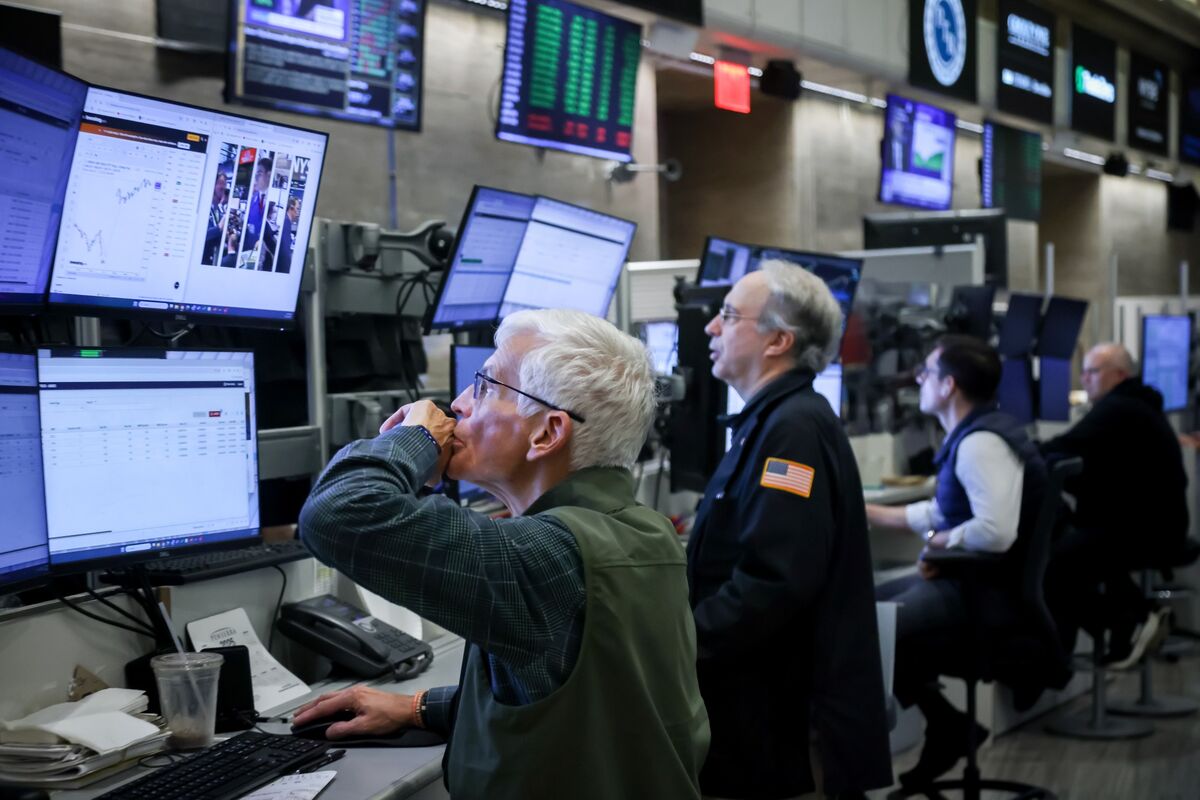
Concerns over bank lending risk are currently unsettling traders, contributing to increased volatility and putting pressure on the broader stock market. This heightened anxiety suggests market participants are closely monitoring credit conditions for potential systemic implications.
Concerns surrounding bank lending risk are significantly unsettling market participants, leading to increased volatility and placing considerable pressure on the broader stock market. This sentiment is reflected in a strongly negative market tone and a high market impact score of 0.65, indicating widespread investor anxiety.
The heightened anxiety stems from close monitoring of credit conditions, with market participants evaluating potential systemic implications within the banking and credit sectors. This focus on banking and liquidity, alongside credit market health, suggests a re-evaluation of risk appetite across financial institutions.
The "spooked" trader sentiment points to a shift in investor positioning, potentially leading to defensive asset allocation and reduced risk exposure. This pervasive pessimism could drive further market technical adjustments and influence capital flows in the near term.
AI-powered research, real-time alerts, and portfolio analytics for institutional investors.
Request DemoOverall Sentiment
strongly negative
Sentiment Score
-0.60
