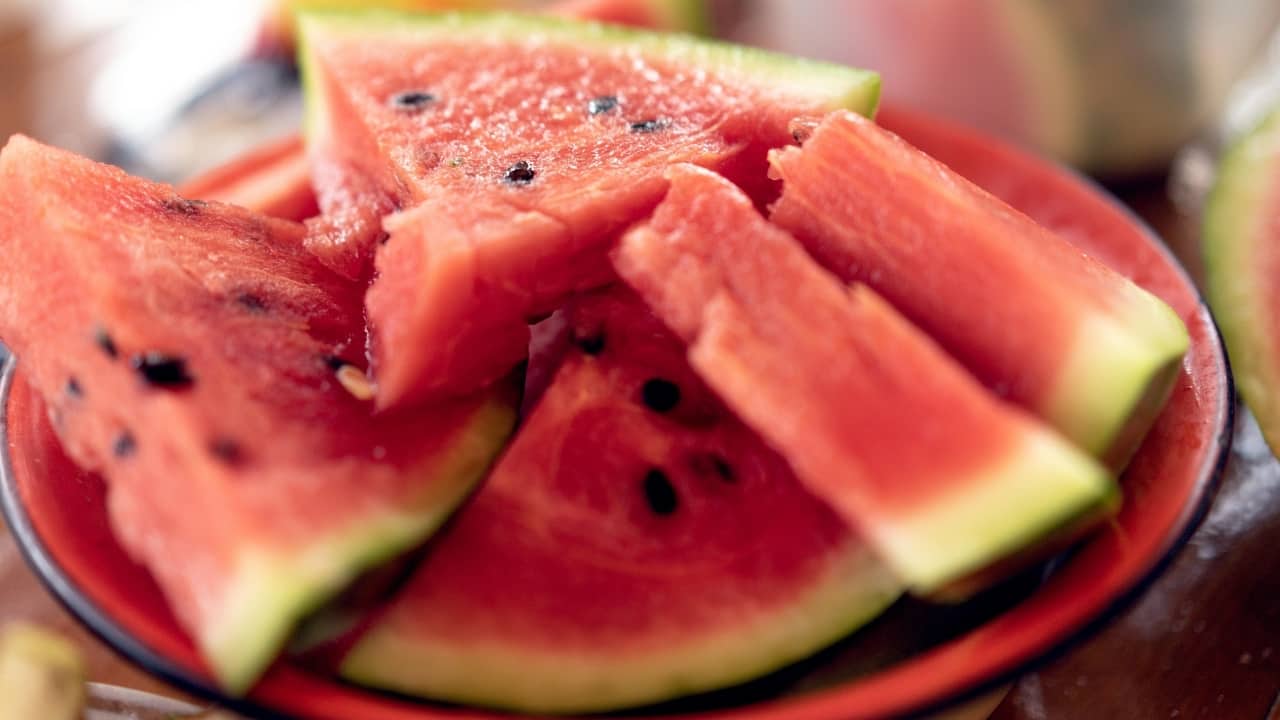
Watermelon is highlighted as a nutrient-rich food linked to better diet quality, with higher intakes of vitamin C, vitamin A, potassium, magnesium, fibre, and lycopene, plus lower added sugar and saturated fat. A small clinical trial found daily watermelon juice improved blood vessel function during high-blood-sugar periods, but researchers say larger studies are still needed. The article is broadly positive on watermelon’s heart-health and hydration benefits, though it is health education rather than market-moving news.
This is not a pure “food trend” read-through; the investable angle is that watermelon’s health halo can modestly improve demand resilience across a category that is otherwise highly seasonal and promotion-driven. The bigger second-order effect is on adjacent produce and processed beverage lanes: if consumers substitute toward a low-calorie, high-hydration fruit, the lift is likely to come at the expense of sugary snacks, dessert fruits, and some juice SKUs rather than from incremental total produce spend.
The most material supply-chain implication is for growers and packers with exposure to value-added fresh-cut fruit, not commodity watermelon acreage per se. Any incremental pull-through favors firms that own cold-chain, cut-fruit, and club-store distribution, because the usage occasions cited in the article map to salads, bowls, and on-the-go formats where margin capture is higher than in bulk fruit. Conversely, brands dependent on sugary beverage mix-ins and “refreshment” positioning could see slower velocity if the wellness narrative keeps reinforcing low-calorie hydration choices.
From a catalyst standpoint, this is a months-long consumer-behavior theme, not a days-long trade. The key risk is that the science remains associative and small-trial based; if broader studies fail to validate cardiovascular benefits, the story reverts to generic seasonality and the premium for health-positioned produce dissipates. Weather is the other swing factor: an exceptionally hot summer could amplify demand immediately, but it also raises spoilage and shrink risk for retailers with weak inventory discipline.
The contrarian view is that the market may be underestimating how little this changes unit economics for the fruit itself. Watermelon is already a low-ASP, high-volume item; the real monetization sits with retailers and processors that can turn a commodity narrative into higher basket size and cross-sell. That means the best expression is not a direct bet on watermelon growers, but on grocery operators and fresh-food logistics players with enough pricing power to capture the wellness premium.
AI-powered research, real-time alerts, and portfolio analytics for institutional investors.
Request DemoOverall Sentiment
mildly positive
Sentiment Score
0.25
