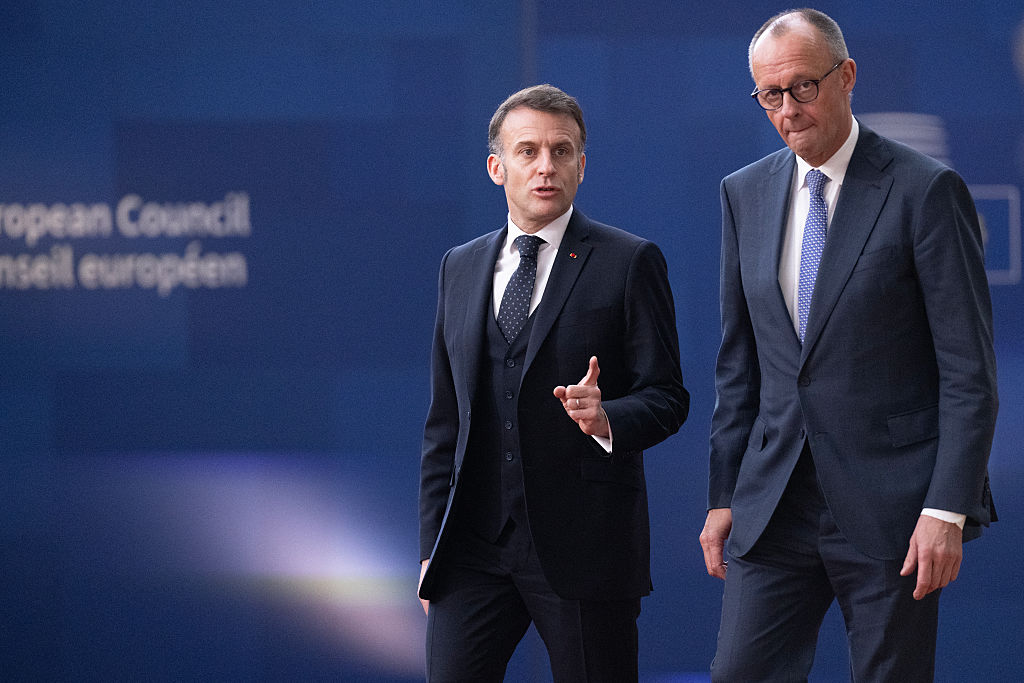
European natural gas prices have jumped ~60% since the start of the Iran war amid attacks that have disrupted the Strait of Hormuz and caused extensive damage to Qatar’s Ras Laffan LNG hub, prompting a joint pledge by the UK, France, Germany, Italy, the Netherlands and Japan to secure maritime passage. The IEA authorized a coordinated strategic petroleum reserve release and EU leaders called for moratoria on strikes against energy/water facilities while signalling support for counter-drone and air-defence assistance; the US warned of severe retaliation if attacks continue. Expect pronounced risk-off pressure on oil & gas markets, heightened supply-chain disruption risk and potential further price spikes until security is restored.
The immediate market impulse is a persistent premium on hydrocarbon and maritime risk priced into energy and shipping markets; expect realized volatility in Brent and LNG front-months to rise ~25–40% over the next 2–6 weeks as insurers re-rate Gulf transit exposure and charterers reroute vessels. That premium is not purely physical — it compounds financing costs for long-term LNG projects and raises working capital needs for trading houses, compressing netbacks for fixed‑price exporters and widening basis between hub prices.
Second-order winners are firms that monetize security spend and logistics complexity: air‑defense and counter‑drone systems (accelerated procurement cycles), marine security services, and reinsurers who can reprice capacity after a shock — these cashflows are front‑loaded and visible within 3–12 months. Conversely, incumbents with long-term fixed LNG offtake and heavy shipping exposure will see margin erosion; higher shipping times also open arbitrage windows that favor flexible cargo sellers with optionality.
Tail risks are asymmetric: a short-duration physical disruption can spike oil/LNG spot markers by 20–50% in days, but the longer-term equilibrium (6–24 months) depends on spare export capacity and the political resolution path. Reversal catalysts that could rapidly unwind risk premia include coordinated large SPR releases, a credible multinational naval security corridor that restores insurance corridors, or emergency output pledges from major producers — each could shave 15–30% off the spot premium within 2–8 weeks.
Given this structure, the prudent positioning is tactical and convex: capture upside from repricing while keeping time-limited exposures and clear stop-losses tied to volatility normalization signals (front-month VIX/OVX analogs and insurance rate prints). Maintain cash to add on confirmed de‑escalation flow where physical spreads compress faster than forward curves imply.
AI-powered research, real-time alerts, and portfolio analytics for institutional investors.
Request DemoOverall Sentiment
strongly negative
Sentiment Score
-0.65
