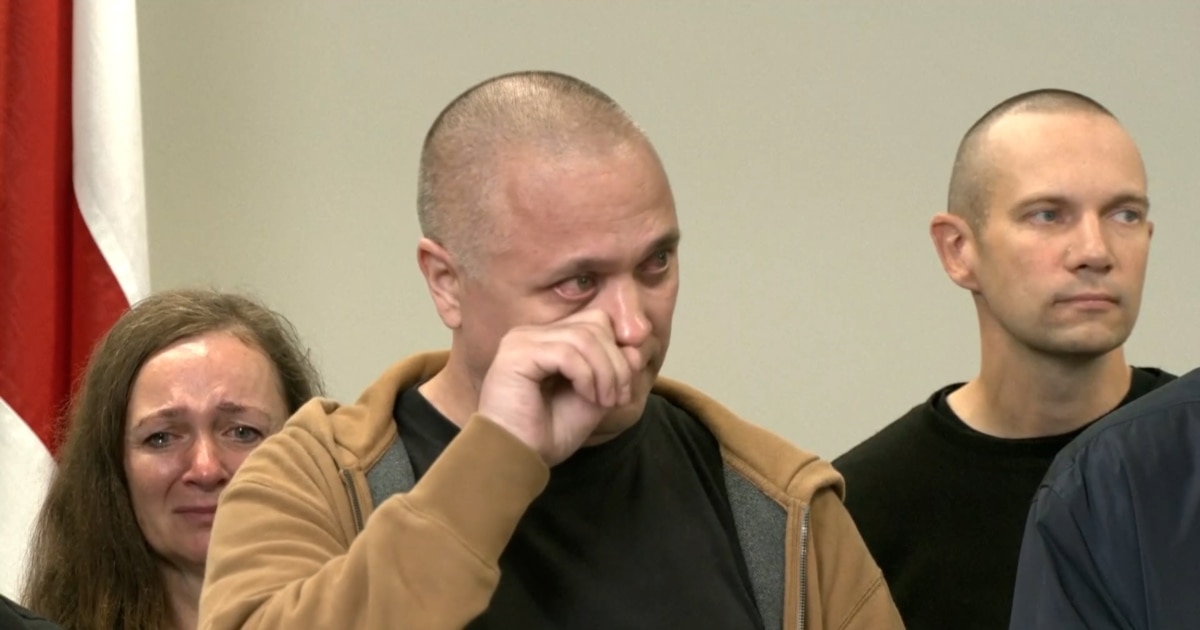
Belarus released 52 political prisoners, including prominent journalists, following a meeting with a top US envoy, a move seen as President Lukashenko's attempt to repair strained Western ties post-2020 election crackdown and amid Russia's war in Ukraine. While opposition leader Svyatlana Tsikhanouskaya credited US efforts, she described the release as a "forced deportation," emphasizing that many remain "political prisoners" as they cannot return, and called for an end to repression, with freed individuals recounting grim prison conditions.
The release of 52 political prisoners by Belarus, following a meeting with a US envoy, is a calculated diplomatic maneuver by President Lukashenko aimed at easing tensions with the West. These relations have been fractured since the 2020 election crackdown and Belarus's alignment with Russia. However, the move's credibility is undermined by its execution; opposition leader Svyatlana Tsikhanouskaya termed it a "forced deportation," as the individuals were expelled and cannot return, highlighting that fundamental repression continues. This perspective is reinforced by the severe testimonies from those released, who described sadistic, "Middle Ages"-like prison conditions and systematic torture. This suggests the gesture is a tactical attempt to alleviate international pressure rather than a genuine policy shift, meaning the underlying political and human rights risks in Belarus remain exceptionally high, a sentiment reflected in the article's strongly negative tone and negligible market impact score of 0.1.
AI-powered research, real-time alerts, and portfolio analytics for institutional investors.
Request DemoOverall Sentiment
strongly negative
Sentiment Score
-0.70
