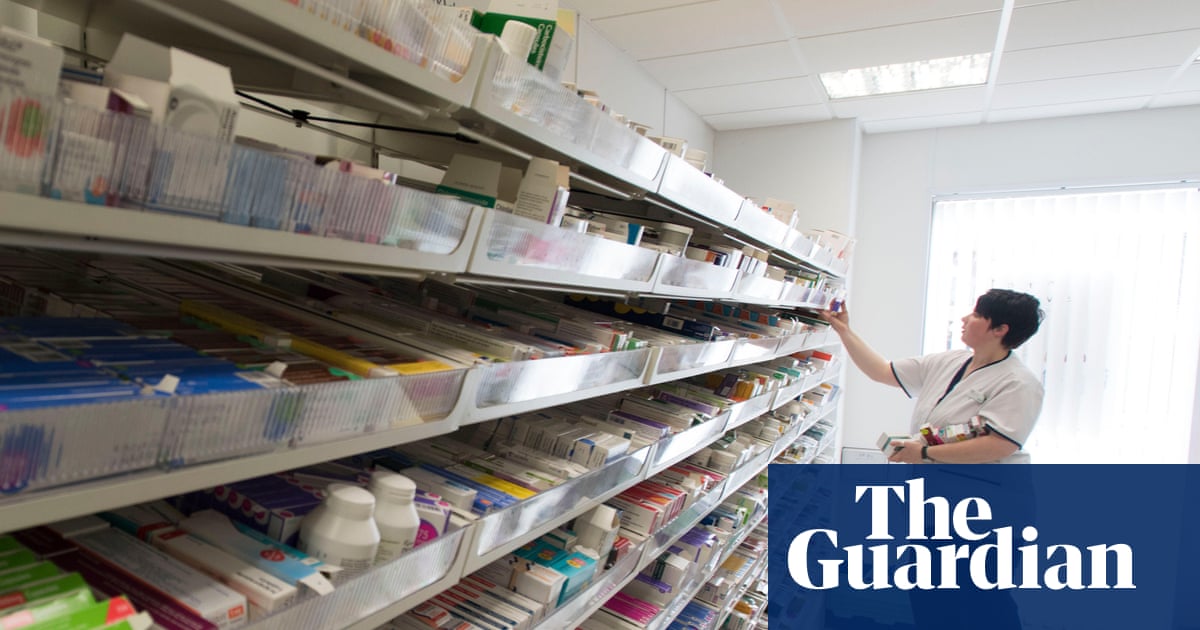
The Iran war is driving sharp medicine cost inflation in England, with community pharmacies reporting 20-30% higher prices for paracetamol and cetirizine and 40-50% higher stock-ordering costs. Wholesale paracetamol prices jumped from 41p to £1.99 per 100-pack before easing to £1.09, while cetirizine purchase prices nearly doubled from 19p to 37p. Air freight costs have doubled and petrochemical supply constraints are lifting NHS reimbursement costs, with further shortages and price increases possible within weeks if the conflict persists.
This is a margin-compression story disguised as a headline inflation event. The immediate losers are low-touch, high-volume generic distributors and community pharmacies with weak reimbursement coverage: the shock hits them first because they carry inventory risk while reimbursement resets lag, so gross profit can turn negative before any formal concession mechanism catches up. The second-order effect is a working-capital squeeze for smaller pharmacy chains and independents, which can accelerate consolidation even if unit demand stays stable.
The more interesting transmission is upstream: generic manufacturers with exposed feedstock and freight costs are likely to attempt price resets not just on these molecules but across adjacent therapeutic baskets, using the current disruption as a justification to rebase contracts. That creates a broader inflation pulse in non-discretionary healthcare procurement, with the NHS likely to absorb part of it through reimbursements and private channels taking the rest through immediate sticker shock. Because this is tied to energy logistics and petrochemical inputs, the fastest reversal is not demand normalization but a credible easing in shipping/air freight and a sustained reopening of key transit routes.
Timing matters: the first-order price increase is already visible at the till, but the earnings impact for listed healthcare and logistics names should show up over the next 1-2 quarters as replenishment cycles run through at higher cost. The risk to the inflation thesis is that pharmacies and wholesalers will ration inventory, temporarily flattening volumes and masking the true cost base; if the conflict de-escalates, shelf prices may lag on the way down because suppliers will try to keep spread. The market may be underpricing the political response risk: once medicines become a consumer-cost-of-living issue, reimbursement and stockpiling policy can change quickly, capping upside for the most exposed suppliers.
AI-powered research, real-time alerts, and portfolio analytics for institutional investors.
Request TrialOverall Sentiment
strongly negative
Sentiment Score
-0.66
