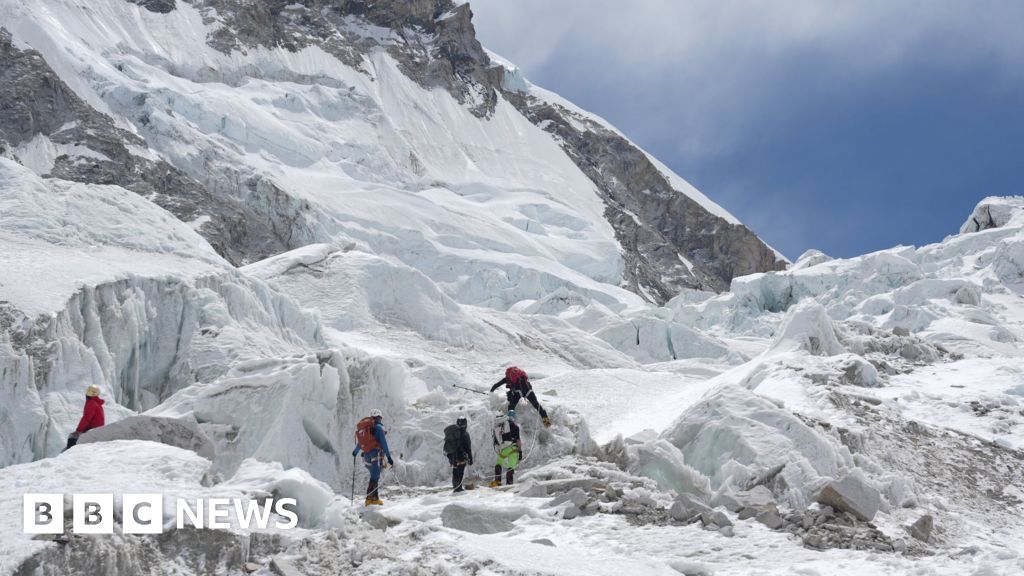
A 100-foot-high serac is blocking Everest's route above Base Camp in Nepal, delaying rope-fixing work weeks behind schedule during the peak spring climbing season. Authorities may airlift teams to Camp 2, but the obstruction is expected to compress the climbing window and raise the risk of summit congestion. The news is negative for expedition operators and local tourism logistics, though broader market impact should be limited.
The immediate market read is not on mountain tourism per se, but on the earnings quality of the broader Nepal/Himalaya climb season: the bottleneck compresses peak demand into a shorter window, which tends to favor incumbents with strong logistics and local relationships while punishing smaller operators that cannot absorb schedule slippage. When the season opens late, pricing power usually shifts to the top-tier expedition operators because clients become less flexible on dates and more willing to pay for certainty, guides, and redundancy.
Second-order effects are likely more important than the headline delay. A shortened weather window raises the probability of crowding, which historically increases the risk of cancellations, helicopter evacuations, insurance claims, and reputational damage for operators that overbook. That matters for suppliers tied to the Nepal side more than Tibet, because demand may get reallocated toward the easier/less congested access path when available, while any discretionary trekking spend is more vulnerable than high-ticket summit attempts.
The contrarian angle is that this is mostly a timing problem, not a structural demand destruction story. The fact that permit issuance remains strong suggests the customer base is relatively inelastic at the top end; the real risk is margin compression from operational complexity, not a collapse in volume. However, if the route opens only days before the weather window closes, the season could shift from high-volume to low-success, which would create a negative feedback loop for operators into 2H bookings and 2026 pricing.
From a macro lens, this is a classic emerging-markets regulatory-logistics shock: the state can offset some of the physical constraint through helicoptering rope teams, but that increases cost and operational fragility. The near-term catalyst is route reopening; the key downside catalyst is a second obstruction or accident that forces a wider suspension and pushes attempts into an even narrower late-May window.
AI-powered research, real-time alerts, and portfolio analytics for institutional investors.
Request TrialOverall Sentiment
mildly negative
Sentiment Score
-0.25
