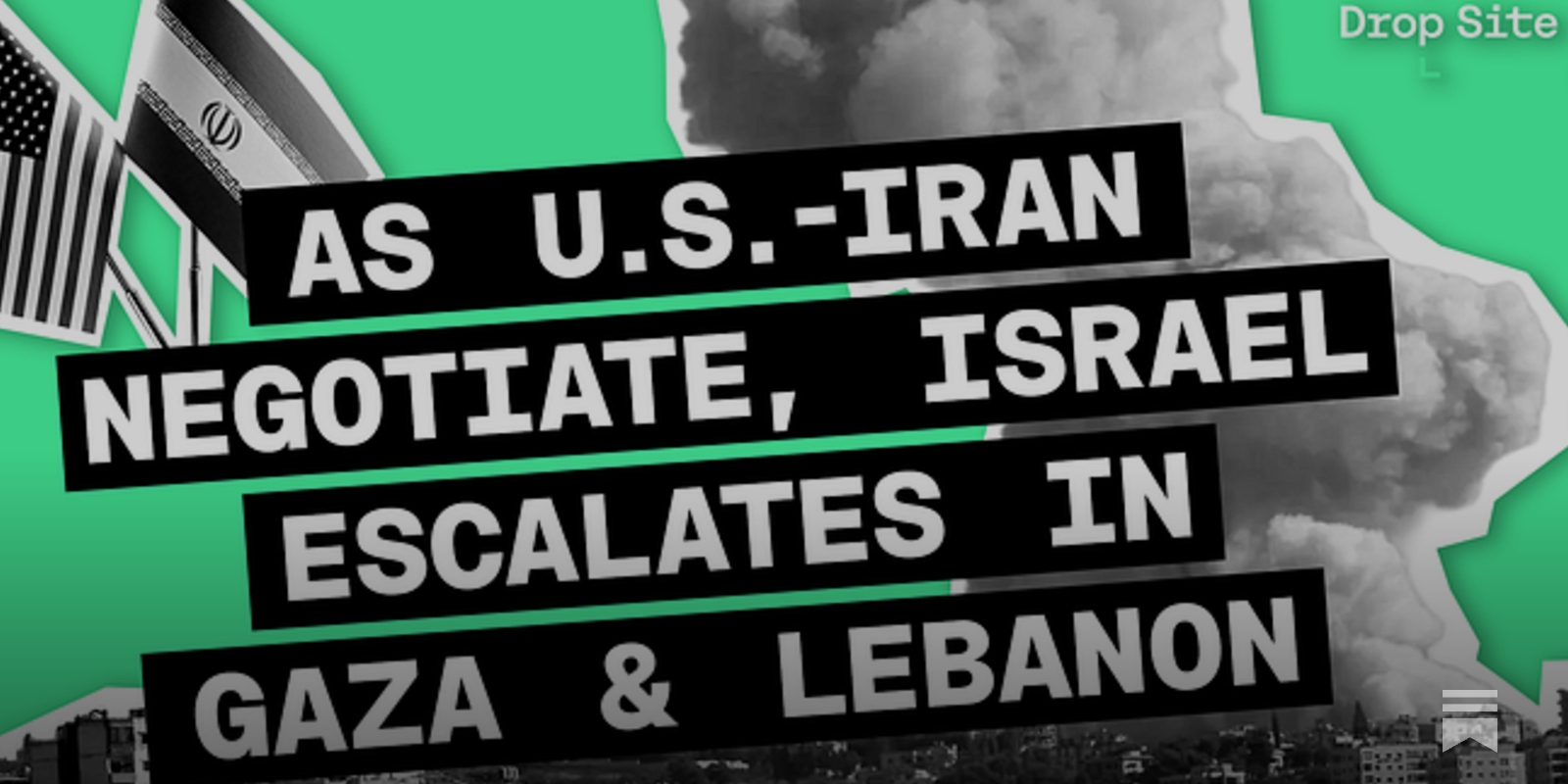
Iran condemned U.S. strikes on vessels near Bandar Abbas as 'bad faith and unreliability' while claiming it shot down a U.S. MQ-9 Reaper drone, heightening conflict risk as ceasefire and framework talks continue in Doha. Tehran is seeking a deal that would reopen the Strait of Hormuz only after the U.S. blockade ends, frozen assets are released, and war damages are compensated, keeping a critical energy shipping route and regional markets on edge. The escalation raises the probability of broader geopolitical disruption, including potential spillovers to oil, shipping, and risk assets.
The market is still underpricing the probability that this evolves from a diplomatic standoff into a shipping-risk regime. Even without a formal closure of Hormuz, intermittent harassment near Bandar Abbas is enough to force a higher war-risk premium into tanker rates, insurance, and regional FX hedges within days; the first-order move is in energy logistics, but the second-order hit is broader EM balance-of-payments stress for Gulf importers and Asian refiners dependent on Middle East barrels.
The more important signal is that Tehran is coupling maritime access, frozen assets, and war termination into one package. That means the negotiation path is not linear: any partial concession on sanctions without a durable security guarantee is likely to be rejected, so the realistic horizon for de-escalation is months, not weeks. In the meantime, capital will price a fatter tail for supply disruption, which supports upside in defense and shipping-related volatility while compressing risk appetite across cyclicals, EM credit, and low-quality growth.
Contrarianly, the consensus may be too focused on headline conflict and not enough on the asymmetry of policy response. A genuine Hormuz shock would almost certainly trigger coordinated diplomatic pressure and emergency logistics rerouting before it becomes a sustained blockade, so the highest-return trade is not a naked long-oil bet but owning convexity around the probability distribution. The market is also likely to overstate the ability of sanctions relief to stabilize the situation quickly; asset-unfreeze negotiations and port access are the real release valves, and those are politically harder than a ceasefire announcement.
From a relative-value lens, the cleanest winners are firms monetizing higher freight, insurance, and defense spending, while the most exposed are import-dependent EMs and airlines with limited fuel hedges. If rhetoric escalates again, local FX in Turkey, Egypt, Pakistan, and Jordan should underperform before global risk assets reprice, giving a window to express the view through FX or sovereign spread hedges rather than directional commodities alone.
AI-powered research, real-time alerts, and portfolio analytics for institutional investors.
Request DemoOverall Sentiment
strongly negative
Sentiment Score
-0.55
