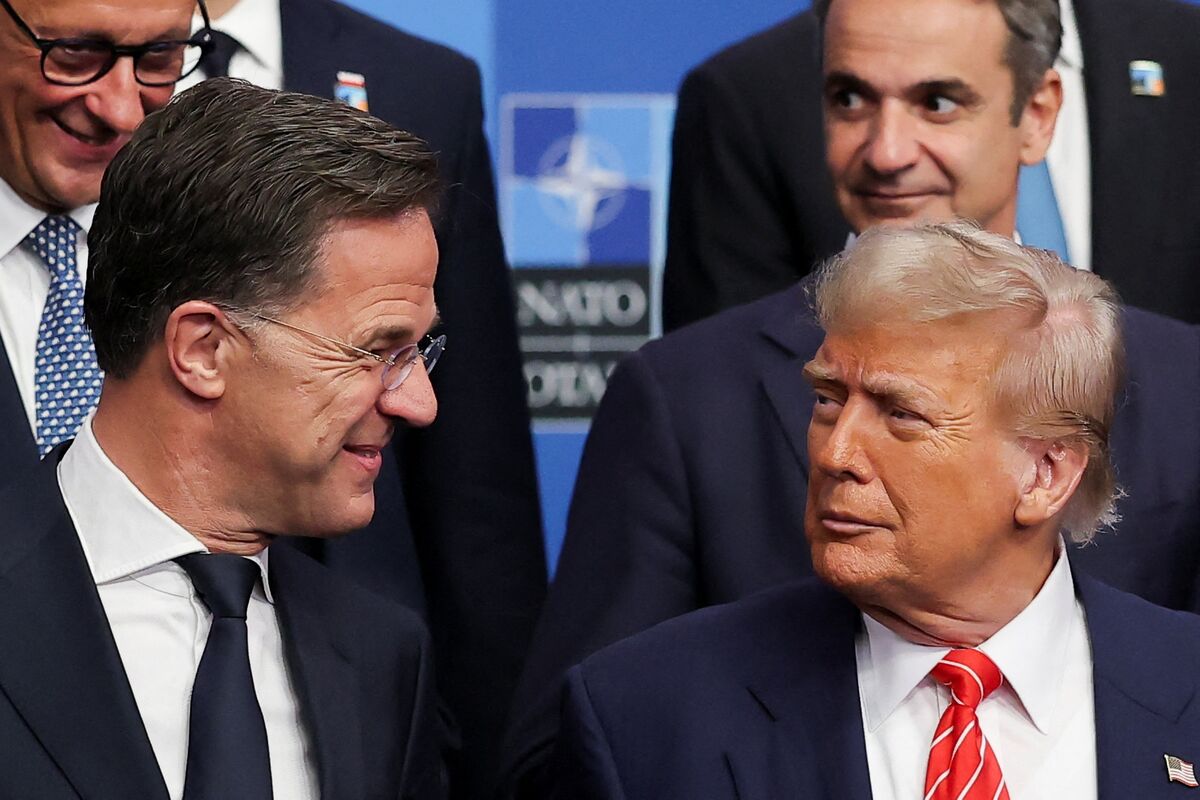
During a NATO summit in The Hague, significant diplomatic efforts, including a royal reception hosted by King Willem-Alexander, were orchestrated to secure US President Donald Trump's continued commitment to the alliance. This careful choreography aimed to prevent a potential US withdrawal, underscoring the strategic importance of maintaining the world's largest military pact amidst geopolitical uncertainties.
The article details a high-stakes diplomatic effort to ensure the United States' continued commitment to the NATO alliance under the Trump administration. The event, centered around a royal reception in The Hague, highlights the use of 'soft power' to manage significant geopolitical risk, specifically the potential withdrawal of the alliance's most powerful member. From an investment perspective, this narrative underscores the fragility of established international security frameworks and the direct link between political leadership and the stability of military pacts. While no financial metrics or specific companies are mentioned, the underlying theme is the critical importance of NATO's cohesion for global security, which is a foundational assumption for many long-term investments in the defense, aerospace, and related infrastructure sectors. The neutral sentiment and zero market impact score reflect the article's historical and descriptive nature, rather than any new, market-moving information.
AI-powered research, real-time alerts, and portfolio analytics for institutional investors.
Request DemoOverall Sentiment
Neutral
Sentiment Score
0.00
