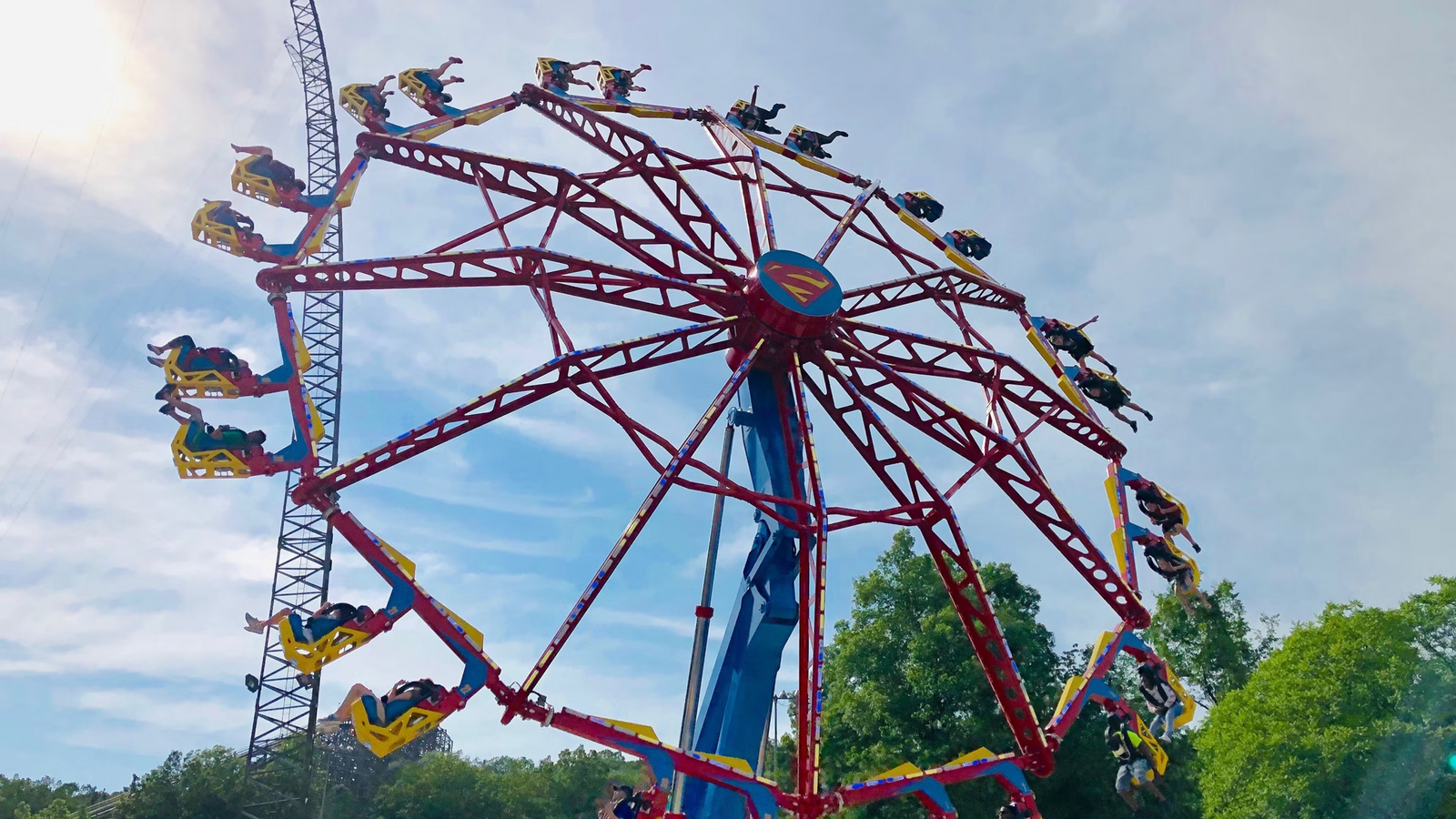
Six Flags agreed to sell seven parks (including Valleyfair, Worlds of Fun, Michigan's Adventure, Schlitterbahn Galveston, Six Flags St. Louis, Great Escape and La Ronde) to EPR Properties for $331 million in cash, subject to customary adjustments, with closing expected late Q1 or early Q2. The divestiture is intended to sharpen Six Flags' operational focus and improve liquidity while the company will continue operating its remaining 34 parks across 23 North American locations; EPR framed the acquisition as an expansion of its experiential real estate portfolio with stable cash-flow characteristics. For investors, the deal modestly de-risks Six Flags’ balance sheet and frees capital for reinvestment in higher-growth parks, while EPR accelerates its push into attractions real estate — likely to produce a modest but not market-moving re-rating for either firm.
Market structure: The sale shifts ownership of seven regionals to EPR, concentrating Six Flags’ operational footprint (34 parks) and removing ~$331m of capital exposure from FUN’s balance sheet immediately. Winners are EPR (accretive experiential-REIT assets, predictable rent cashflows, potential NAV uplift) and Six Flags’ remaining parks (more capex per park); losers are equity holders in operators that underperform post-sale or bidders chasing scarce high-quality experiential assets. Expect small upward pressure on EPR pricing and modest credit spread tightening for Six Flags as liquidity improves over the next 3–9 months.
Risk assessment: Tail risks include integration failures (EPR operating-partner mismatches), adverse purchase-price adjustments, local regulatory pushback in Canada/US, and weather/pandemic attendance shocks that could impair rent coverage; these are low probability but high impact on NAV and cashflows. Timeline: immediate liquidity + share reaction (days–weeks), operational performance and guidance updates (quarters), long-term revaluation if Six Flags re-invests successfully (12–36 months). Hidden dependency: much of the transaction economics hinge on lease/operating contracts and potential sale-leasebacks that aren’t disclosed—monitor rent coverage ratios and contingent liabilities.
Trade implications: Primary direct play is long EPR (EPR) to capture yield + NAV rerating; constructive on FUN/Six Flags (operator) only if proceeds are demonstrably redeployed to high-IRR projects or debt reduction. Options: use defined-cost bullish structures on EPR and hedged equity exposure to Six Flags to limit downside while retaining upside to operational recovery. Sector: rotate into experiential REITs and high-quality leisure names while trimming cyclical retail and long-duration credit exposure.
Contrarian angles: Consensus frames this as a liquidity move for Six Flags—missing is that divesting lower-growth, land-rich parks can materially lift ROIC if Six Flags redeploys even 50% of proceeds into top 10 parks; conversely EPR may overpay for land value in the near-term if cap rates widen. Historical parallels: past leisure asset carve-outs have led to outsized returns when acquirers monetize land/leases (12–24 months), but also to write-downs when attendance declines; plan for both outcomes with size limits and clear stop-loss triggers.
AI-powered research, real-time alerts, and portfolio analytics for institutional investors.
Request TrialOverall Sentiment
mildly positive
Sentiment Score
0.30
Ticker Sentiment
