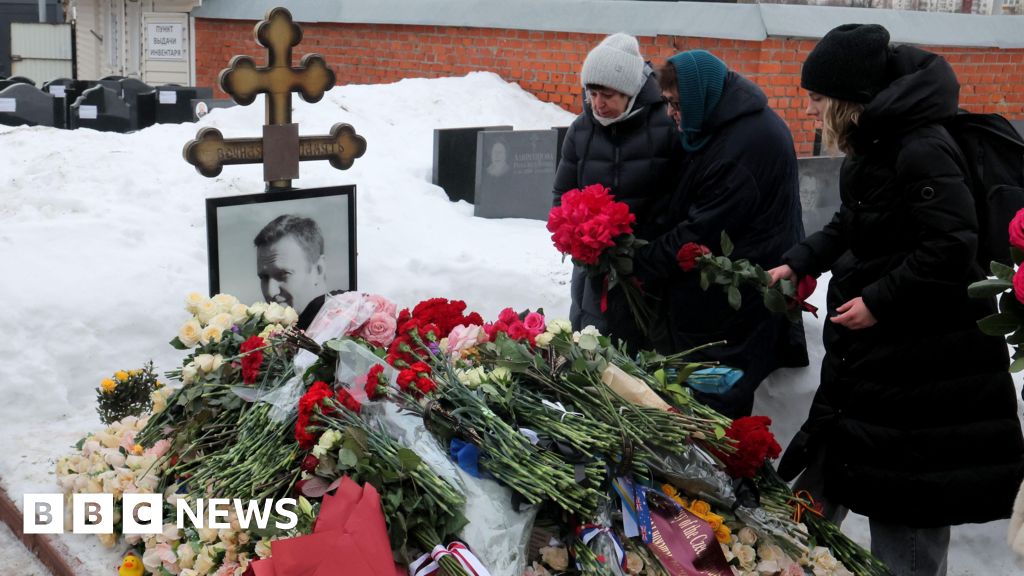
Western governments concluded that Alexei Navalny, who died in 2024 at age 47 while serving a 19-year sentence, was killed using a poison derived from a dart frog toxin and said only the Russian state had the means and opportunity; Russia rejects the findings. Navalny’s family and supporters view the assessment as confirmation of murder, while the case and intensified domestic repression underscore elevated political risk and potential diplomatic fallout for Russia, which may sustain investor caution toward Russian assets and raise geopolitical risk premia.
Market structure: Geopolitical attribution of Navalny’s death raises the probability of incremental Western sanctions, benefiting defense primes (LMT, RTX, GD) and safe-haven assets (GLD, USD, USTs) while hurting Russian equities/credits (RSX, GAZP, LKOH) and firms with Russia exposure. Model a 5–15% re-rating higher for large-cap defense names across 3–6 months if sanction headlines continue; conversely, RSX-like instruments could gap 10–30% on targeted financial or energy measures. Energy markets see asymmetric upside: a 0.5–1.5 mbpd Russian export disruption implies a +$5–$15 move in Brent and higher European TTF prices in weeks. Risk assessment: Tail risks include kinetic escalation, shipping/insurance embargoes, or a coordinated SWIFT-like financial cutoff that would spike energy/commodity volatility and markedly widen Russian CDS (+200–1000bps). Time horizons: immediate (days) = safe-haven bid and FX volatility; short-term (weeks–3 months) = sanctions adoption and asset freezes; long-term (6–24 months) = sustained supply shifts and capital reallocation. Hidden dependencies: collateral damage to European corporates with indirect Russian supply chains, and central bank responses (FX intervention) that could blunt pure market moves. Trade implications: Direct plays are long selective defense (LMT, RTX, GD) via 6–9 month call spreads sized 2–5% portfolio each, long GLD 1–3% as tail hedge, and short RSX or Russian sovereign debt via puts sized 1–3% to capture sanction risk. Pair trade: long LMT vs short RSX (or short European energy names with Russian exposure) to isolate geopolitical premium. Options: buy 3–6 month Brent call spreads if Brent >$80 to limit cost; use stop-loss at -12% and take-profit near +20–30% or on clear policy resolution. Contrarian angles: The market may have pre-priced some Russia risk since 2022–24; defense multiples are already elevated and vulnerable to rate-driven multiple compression if Fed hikes persist. Historical parallel: post-2014 Crimea saw an initial energy spike then mean-reversion over 6–12 months once alternative supplies and seasonal demand normalized — so avoid one-way bets without policy-confirmed sanctions. Unintended consequence: higher energy prices could dent European growth and reduce long-term defense budgets, capping multi-year upside for primes if recession risks materialize.
AI-powered research, real-time alerts, and portfolio analytics for institutional investors.
Request DemoOverall Sentiment
moderately negative
Sentiment Score
-0.60
