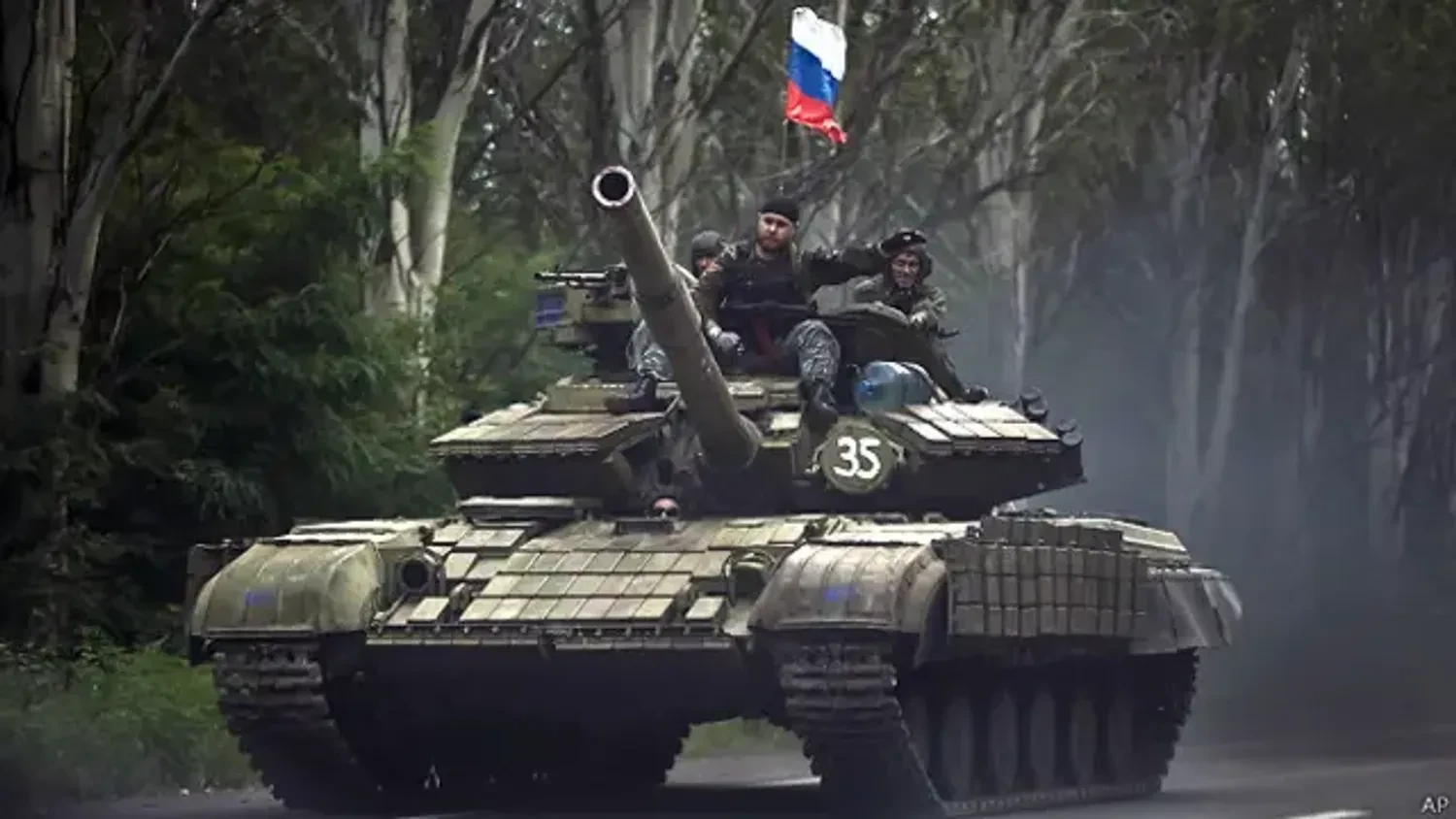
ISW reports Russia is preparing a large-scale mechanized offensive in Donetsk Oblast ahead of the 2026 spring–summer campaign, conducting mechanized assaults and reconnaissance in Lyman, Kostiantynivka and Pokrovsk directions. Ukraine’s Commander-in-Chief reported roughly 4,840 Russian casualties (killed/wounded) over a recent three-day period. ISW expects attacks on the Donetsk 'fortress belt' but anticipates limited armored-vehicle usage due to shortages, implying intensified ground pressure that raises geopolitical and sectoral (defense/energy) market risk.
The market impact will be dominated by procurement and logistics dynamics rather than headline territorial moves. Scarcity of ready-to-field platforms and trained crews materially lengthens the procurement decision cycle: governments can authorize large spending within weeks, but delivery and training typically take 6–24 months, funneling near-term spending into munitions, sensors, spare parts, and service contracts rather than heavy vehicle orders.
This shifts margin capture toward companies that make expendables (artillery rounds, missiles, rocket motors), sensors (radar, EO/IR), and sustainment services. Expect orderbooks and margins to re-rate first for modular, high-turnover items (guided munitions, air-defense interceptors, UAV payloads) and for prime integrators that can reallocate production lines quickly; capital-intensive vehicle OEMs face a longer payoff and higher execution risk.
Key catalysts and tail-risks are binary and calendarized: large NATO/EU supplemental aid packages or national replenishment programs (decision windows typically 30–90 days) will re-rate suppliers quickly, while supply-chain bottlenecks (propellant, semiconductors, forgings) or political limits on exports can cap upside for months. A countervailing reversal would come from rapid diplomatic de-escalation or a battlefield stalemate that forces spending to shift from procurement to attrition management and reconstruction.
For positioning, prefer liquid exposure to munitions and integrated air-defense suppliers with 6–18 month revenue visibility, hedge gross exposure through index or cyclical shorts, and size options to capture binary contract awards while limiting downside to defined premium losses. Position sizing should assume 30–50% volatility around contract announcements and use staggered entry to avoid paying up into headline-driven spikes.
AI-powered research, real-time alerts, and portfolio analytics for institutional investors.
Request DemoOverall Sentiment
strongly negative
Sentiment Score
-0.70
