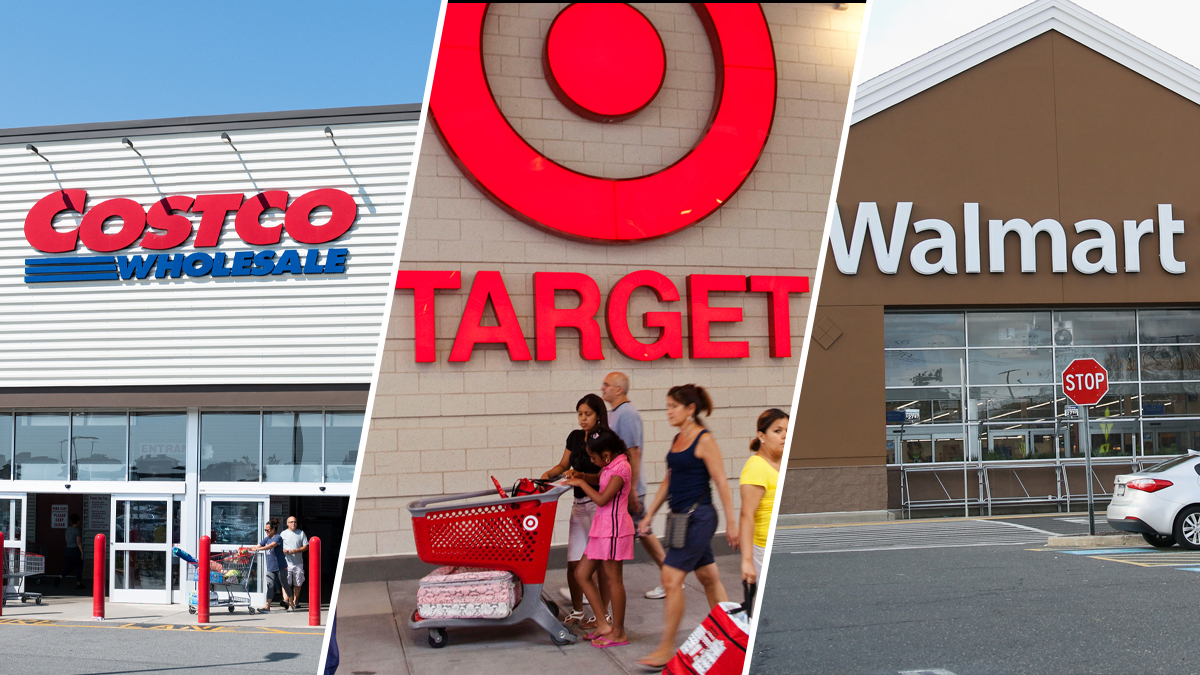
Memorial Day is a federal holiday, so banks are closed and the NYSE and NASDAQ are shut Monday, with regular trading resuming Tuesday. USPS will not deliver mail and post offices are closed, while most major retailers such as Walmart, Target, Home Depot, and Trader Joe's remain open, some on modified hours. The article is primarily a holiday-hours roundup with minimal market impact.
This is a low-beta consumer calendar event, but the second-order effect is a near-term traffic reallocation toward the most operationally flexible chains rather than a broad consumption uplift. Open big-box and home-improvement names should capture incremental “trip completion” demand from households using the long weekend to stock up, while closed membership formats hand share to substitutes with easier access and fewer trip constraints. The key is not higher aggregate spend so much as a temporary shift in basket composition toward bulky, mission-critical categories that favor scale, convenience, and same-day availability.
The main beneficiary is the retailer set with high store density and strong essentials mix, especially those already embedded in holiday routines. Home-improvement exposure is more interesting than general merchandise because Memorial Day often accelerates small project spend, which supports ticket size and attachment rates without requiring promotional intensity. By contrast, the warehouse model can lose some same-day share when a closed format forces consumers to fill the basket elsewhere, but the revenue impact should be fleeting unless the holiday timing compounds with a broader traffic slowdown.
For the market, the bigger signal is liquidity rather than demand: a closed cash equity session and bank holiday can compress visible flow and make any pre-holiday positioning more prone to exaggerated moves. That matters most for names with crowded short-term flows, where a thin tape can overstate conviction. Any read-through should fade within 1-3 trading days unless weekly traffic data confirms a real change in share capture or basket size.
Contrarian view: the market may be over-interpreting store-open lists as a directional retail signal when the real effect is mostly timing noise. A closed Costco does not automatically imply lost industry spend; much of it simply migrates to the nearest open format or is pulled forward/backward by a few days. The opportunity is in relative positioning around share capture, not in chasing a macro consumer-demand thesis.
AI-powered research, real-time alerts, and portfolio analytics for institutional investors.
Request DemoOverall Sentiment
neutral
Sentiment Score
0.00
Ticker Sentiment
