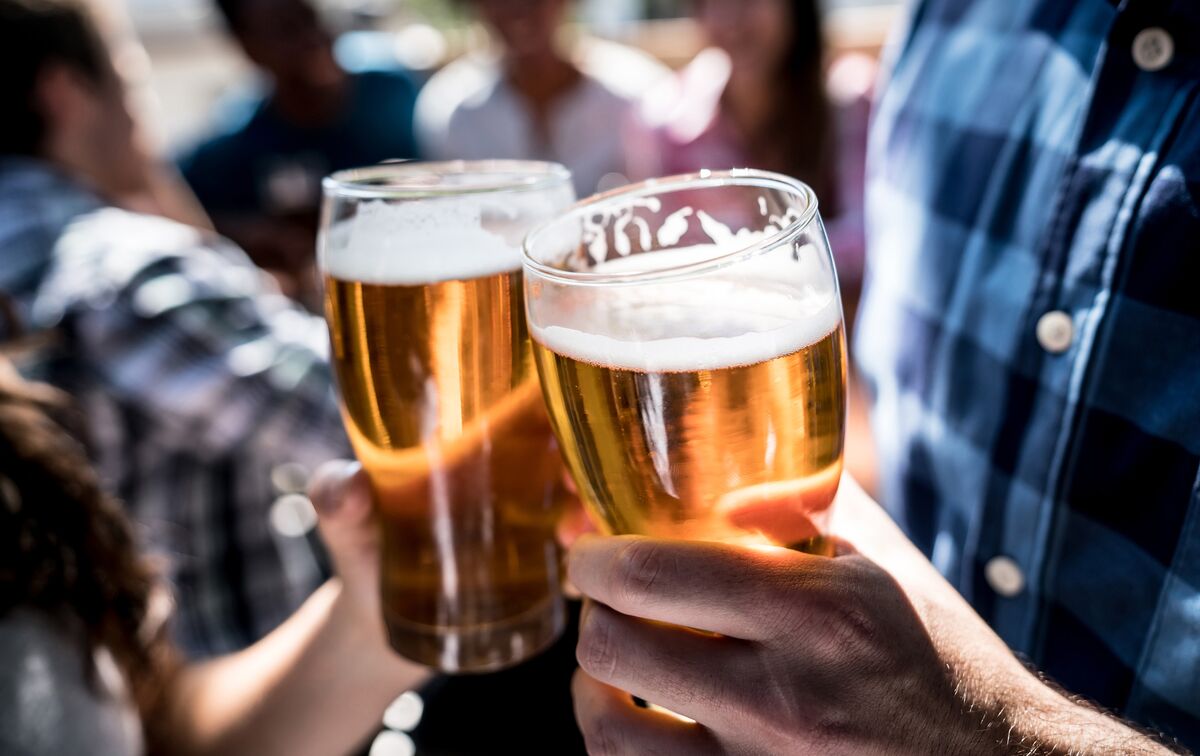
A push to raise alcohol taxes in the U.S. is gaining traction amid changing consumer habits, with individuals cutting back on alcohol consumption and exploring alternatives. Experts like Arthur Robin Williams from Columbia University suggest that increased taxes, coupled with cancer warnings, could further accelerate this trend, potentially impacting the alcoholic beverage industry.
The U.S. alcoholic beverage sector faces potential headwinds from discussions around increased alcohol taxes, a development occurring amidst a broader shift in consumer behavior. Consumers are reportedly reducing alcohol consumption, quitting entirely, or exploring alternatives. Arthur Robin Williams, an associate professor of clinical psychiatry at Columbia University, suggests that higher taxes, compounded by health advisories such as cancer warnings, could accelerate this existing trend. The moderately negative sentiment (-0.4) and a moderate market impact score (0.5) associated with this news indicate that these factors are perceived as potentially detrimental to the industry's outlook, particularly concerning traditional alcoholic products. The key themes identified—Tax & Tariffs, Consumer Demand & Retail, and Healthcare & Biotech—underscore the multifaceted pressures on the sector.
AI-powered research, real-time alerts, and portfolio analytics for institutional investors.
Request DemoOverall Sentiment
moderately negative
Sentiment Score
-0.40
