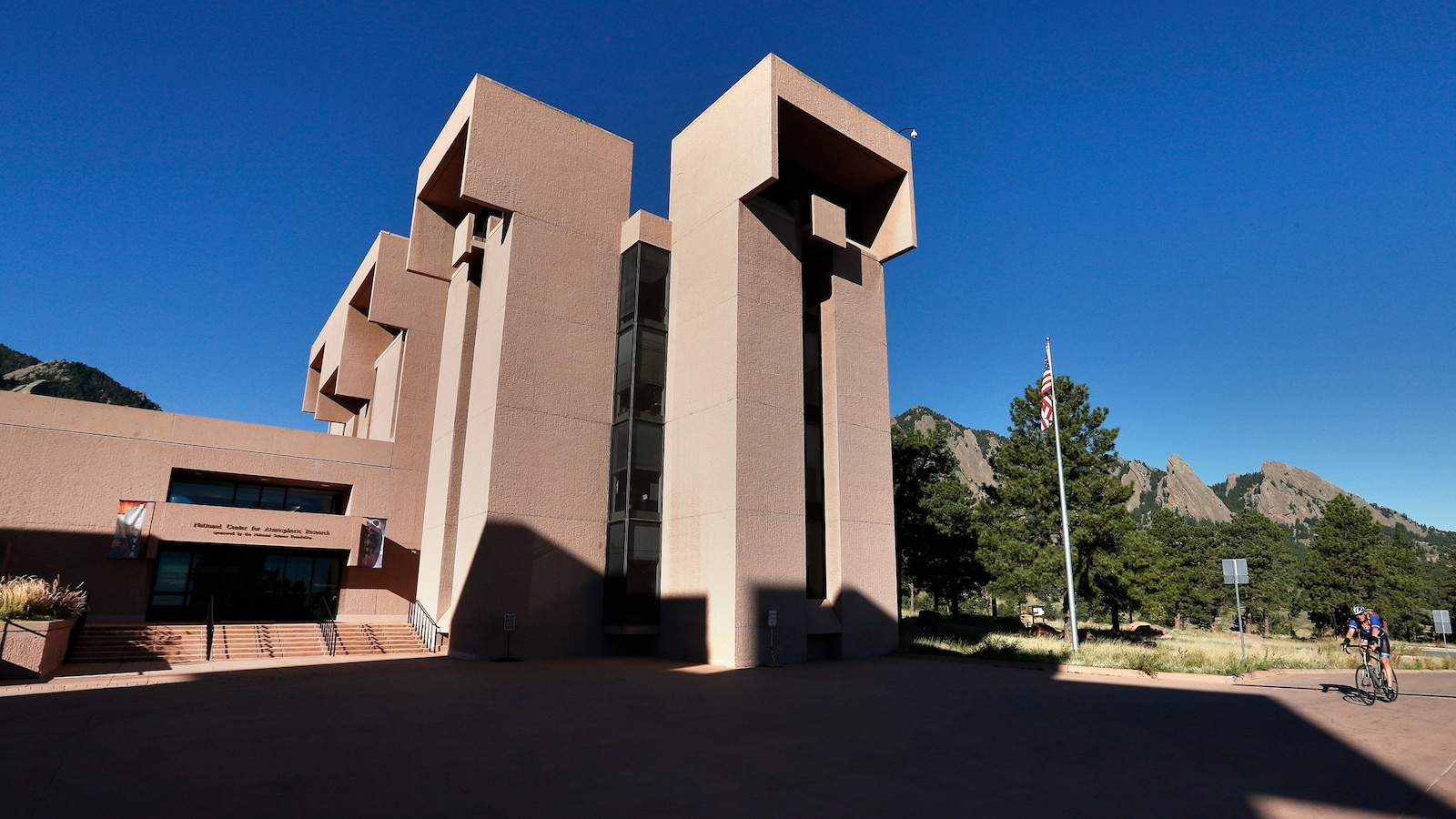
The Trump administration announced plans to dismantle the National Center for Atmospheric Research (NCAR) in Boulder, prompting an NSF-led review and sharp bipartisan and scientific criticism. OMB Director Russell Vought said NSF will break up NCAR; the center — managed by UCAR, funded primarily by NSF and employing roughly 830 people — supplies supercomputing, widely used models (e.g., WRF) and instruments (GPS dropsondes) critical to U.S. weather forecasting, climate research and disaster preparedness. Lawmakers and scientists warn the action could weaken forecasting capabilities, hinder research capacity and erode U.S. scientific competitiveness, even as Congress recently restored much climate-related funding after proposed cuts.
Market-structure: Dismantling NCAR is a governance shock that favors private/cloud/HPC vendors and commercial weather analytics (NVIDIA, MSFT, AMZN, HPE, IBM) while hurting academic/NOAA-dependent ecosystems and small grant-funded climate startups. Expect a gradual reallocation of model compute and data-for-hire from a public-good provider to commercial contractors over 6–24 months, lifting demand for GPUs, on-prem supercomputers and cloud HPC by a measurable single-digit percentage point increment versus baseline demand.
Risk assessment: Tail risks include rapid congressional restoration of funding (within 30–90 days) that would reverse private contract winners, or conversely a rushed transfer that creates weather-forecast degradation and catastrophe-modeling shortfalls raising insurance losses (4–10% shock to regional insured loss estimates in extreme events). Hidden dependencies: many regional governments and insurers rely on NCAR inputs — a 3–6 month modelling gap materially increases forecast uncertainty and short-term volatility in catastrophe-exposed stocks and reinsurance pricing.
Trade implications: Tactical trades favor suppliers of compute and commercial weather analytics: overweight NVDA (GPUs), MSFT (Azure gov/HPC), IBM (The Weather Company) and HPE (supercomputers) with time horizons 6–18 months; express via equity or call-spread to limit capital. Hedge policy/regulatory tail-risk with small allocations to short-dated VIX calls or put protection on regional property insurers (e.g., TRV, AAK?), and set rule-based exits tied to congressional funding signals within 30–90 days.
Contrarian angles: Consensus assumes permanent defunding; probability of bipartisan restoration is material (>30%) — if funding is restored, commercial cloud/HPC beneficiaries could see a 10–25% mean-reversion pullback. Consider calibrated option structures (buy-write or call spreads) to capture upside if transition to privatized modeling is sticky, while preserving capital if political reversal occurs.
AI-powered research, real-time alerts, and portfolio analytics for institutional investors.
Request DemoOverall Sentiment
strongly negative
Sentiment Score
-0.60
