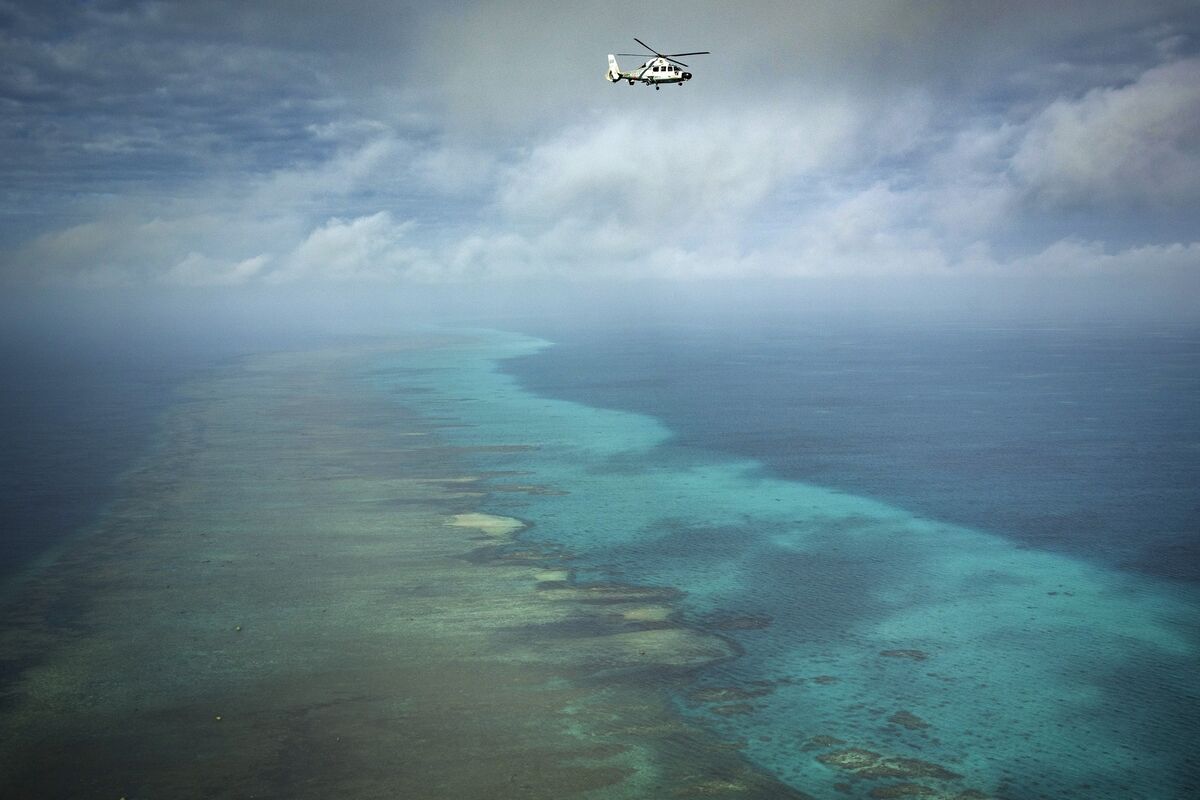
The U.S. has backed the Philippines in rejecting China's proposal to establish a national nature reserve at Scarborough Shoal, labeling the move as "destabilizing" and a "coercive attempt" to advance territorial claims in the South China Sea. Secretary of State Marco Rubio stated that China's actions continue to undermine regional stability, highlighting escalating geopolitical tensions over maritime disputes in the strategically important region.
The United States has formally backed the Philippines in rejecting China's proposal to establish a national nature reserve at Scarborough Shoal, a disputed territory in the South China Sea. The U.S. Secretary of State characterized Beijing's move as a "coercive attempt" to advance its maritime claims and stated that such actions "continue to undermine regional stability." This development signifies a material escalation in diplomatic tensions and reinforces the U.S. stance in the ongoing territorial disputes. The strongly negative sentiment score (-0.6) and moderate-to-high market impact score (0.6) associated with this event suggest that market participants should not dismiss this as mere rhetoric. Instead, it represents a tangible increase in geopolitical risk within a critical global trade corridor, potentially impacting regional economic and political stability.
AI-powered research, real-time alerts, and portfolio analytics for institutional investors.
Request DemoOverall Sentiment
strongly negative
Sentiment Score
-0.60
