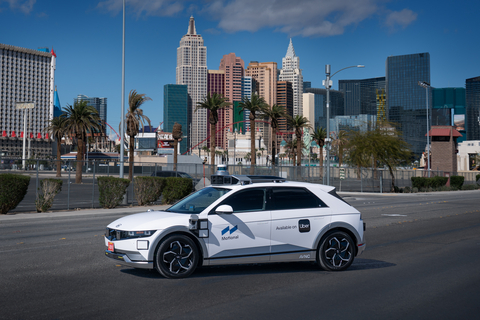
Uber and Motional launched an all-electric Motional IONIQ 5 robotaxi service in Las Vegas, available immediately at designated pickup zones and matchable for UberX/Uber Electric/Uber Comfort riders at no additional cost. The IONIQ 5 is one of the first SAE Level 4-capable AVs certified under U.S. FMVSS, will initially operate with a vehicle operator onboard and is expected to transition to fully driverless service by year-end; the rollout builds on a 10-year partnership and Motional’s >130,000 autonomous rides from prior pilots.
This rollout crystallizes a narrow path to materially better unit economics for ride-hail platforms: replacing a human driver eliminates the single largest per-ride variable and shifts the economics toward a capex + utilization problem. If robotaxis can achieve sustained utilization in a tourist-dense micro-market (think 12–16 productive hours/day), rough back-of-envelope math implies per-ride operating cost could fall by tens of percent after amortizing vehicle CAPEX and charging—turning marginally loss-making routes into structurally positive ones within a 12–36 month window. That threshold is the choke point: below ~10–12 hours/day utilization, higher depreciation and charging downtime wipe out the labor savings.
Second-order winners include vertically integrated OEMs that can supply robotaxi-spec EVs (fewer suppliers, higher gross margins on fleet deals) and sensor/compute vendors that move from prototyping to recurring fleet contracts; losers are short-duration rental, airport shuttle operators, and driver-supply intermediaries who depend on hour-based gigs. Local governments and utilities are incremental decision-makers here — permitting, curb allocation and fast-charging rollouts will materially change rollout pace; a delay in permitting or concentrated curb restrictions could push break-even out by years. Liability and insurance are the wildcards: a single well-covered incident or a hostile regulatory ruling could reset insurer pricing and redeploy capital away from scaling.
Near-term catalysts to watch are (1) measured changes in Uber’s ride contribution margins in quarterly disclosures, (2) localized utilization stats and median trip lengths from pilot reports, and (3) any municipal rule changes on autonomous operation. Consensus underestimates the operational complexity: the biggest obstacle is not perception but achieving steady >12 hour/day utilization with reliable charging/cleaning/dispatch ops — if operators clear that bar, upside for platform owners is non-linear; if they fail, downside is material and concentrated in capex-heavy players.
AI-powered research, real-time alerts, and portfolio analytics for institutional investors.
Request DemoOverall Sentiment
mildly positive
Sentiment Score
0.35
Ticker Sentiment
