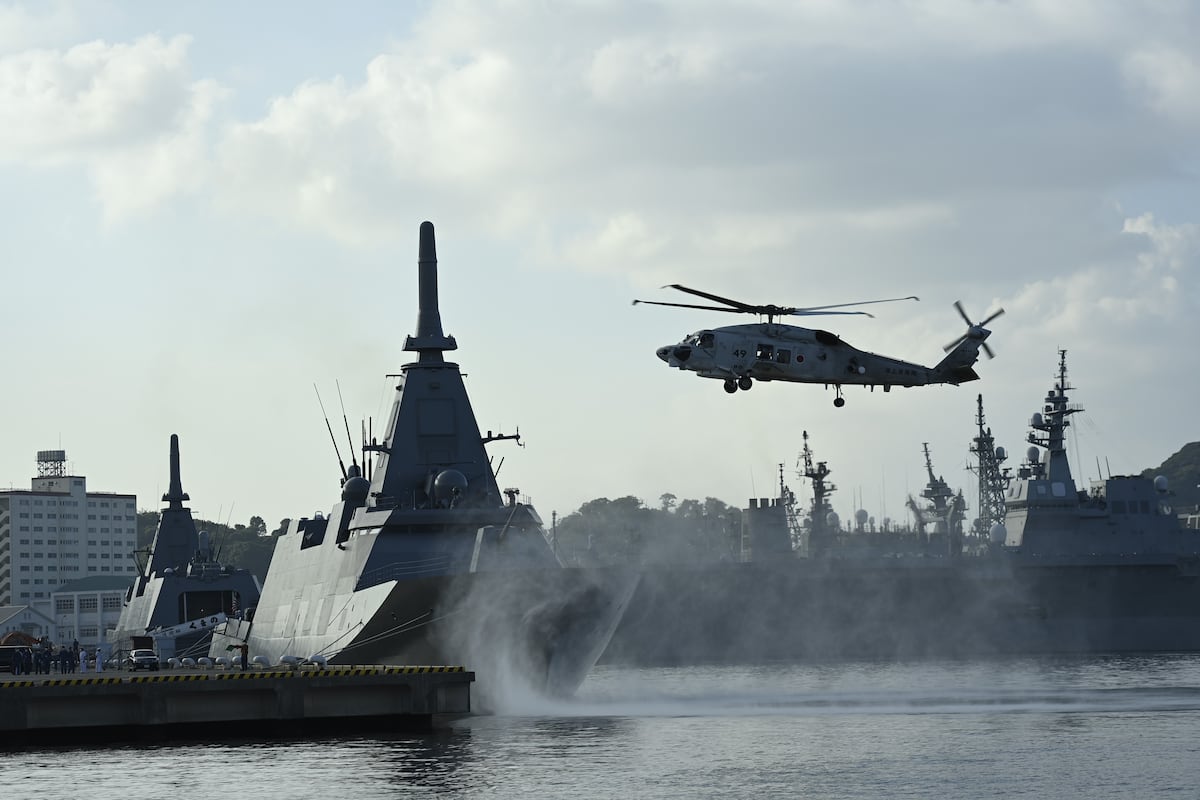
Australia and Japan signed a deal for three upgraded Mogami-class frigates, with Australia planning up to 11 total ships and the program costing as much as A$20 billion (US$14.4 billion) over the next decade. The first frigate is due by December 2029, and the contract marks Japan’s largest-ever defense export while boosting strategic alignment and shipbuilding activity in both countries. The RAN says the upgraded Mogami will replace Anzac-class frigates and materially improve capability, availability, and automation.
This is less a one-off naval procurement and more a long-duration industrial policy signal: Australia is effectively paying up for speed, software integration, and supply-chain de-risking. The second-order winner is the Japan defense export ecosystem, which now has a live reference customer for a complex platform and a template for future transfers to other aligned navies; that should compress the perceived political risk premium around Japanese defense primes and subsystem suppliers. The next-order implication is for local Australian yards: the “build in country” phase becomes a workforce and execution test, but it also creates a protected backlog that can sustain labor demand, logistics activity, and high-spec manufacturing investment for years.
For markets, the main gap is underappreciated supply-chain leverage outside the headline prime contractor. Names tied to combat systems, sensors, propulsion, and vertical launch integration should benefit more consistently than shipbuilding margin alone, because they get paid across both the Japan build and the Australian follow-on build. The likely pattern is a multi-year revenue ramp with low cancellation risk once lead items are committed; however, margin timing may be lumpy, as shipyards usually front-load engineering costs and back-end cash collection. The most exposed competitors are Western defense yards that were hoping for export traction in Asia-Pacific surface combatants; this deal strengthens a Japanese-first procurement standard that could bleed into future bids.
The key risk is execution, not demand: any slippage in the first ship’s delivery pushes the whole Australian local-build sequence and raises the odds of design changes, labor bottlenecks, or cost inflation. Strategically, the article’s biggest tell is the emphasis on minimizing Australian modifications; that suggests the buyer values schedule more than sovereign customization, which is bullish for near-term delivery but bearish for domestic value capture. The consensus may be too focused on the ship count decline and not enough on the operational reset: if automation materially cuts crew requirements, this is also a labor productivity story for navies, which could pressure legacy manpower-heavy programs across the region.
AI-powered research, real-time alerts, and portfolio analytics for institutional investors.
Request DemoOverall Sentiment
moderately positive
Sentiment Score
0.62
