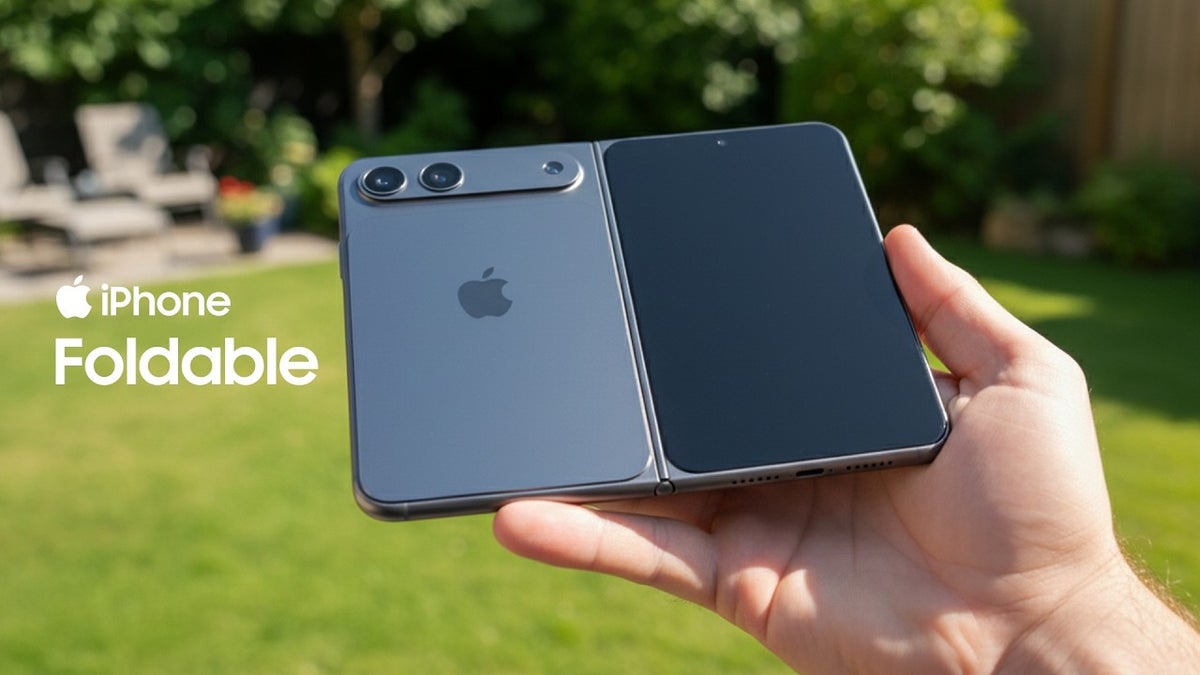
Apple’s foldable iPhone Ultra is expected to launch in September under new CEO John Ternus, but early availability may be constrained by supply chain complexity. Mark Gurman says the device could be hard to find at first, even with a likely $2,000+ price tag, which may temporarily support demand rather than hurt it. The article frames launch risk as operational rather than fundamental, with potential comparisons to Samsung’s sold-out Galaxy Z TriFold at $2,899.
A constrained launch would matter less for near-term unit count than for the mix of buyers it attracts. A hard-to-find, ultra-premium device can create an initial halo that lifts upgrade intent across the ecosystem, but it also risks shifting incremental demand from the core iPhone franchise toward a niche product with lower attach-rate economics and potentially worse launch-week customer experience. The market will likely misread first-week sellouts as a durable demand signal; the more important read-through is whether Apple can normalize availability before the holiday order window, when channel inventory matters more than hype.
The second-order beneficiary is Apple’s supply-chain cohort if launch constraints are real but temporary: assembly, hinge, display, and precision-component vendors can enjoy a short burst of pricing power and expedited-shipments revenue. The loser is anyone downstream that is forced to carry excess tooling or capex for a product that may remain capacity-limited for months. On the competitive side, a premium foldable launch from Apple would raise the ceiling for Samsung and Chinese Android OEMs, but only if Apple proves the form factor is not a one-off collector’s item.
The key risk is not scarcity itself, but a rapid normalization that collapses the scarcity narrative before Apple scales production. If supply catches up within 4-8 weeks, the market may pivot from excitement to scrutiny on true demand elasticity at a $2,000+ price point, especially if the device cannibalizes higher-margin Pro models rather than expanding the addressable base. Conversely, if lead times extend into the holiday quarter, this becomes a sentiment tailwind for AAPL and a validation event for foldables as a category.
Consensus is probably overweighting launch-day optics and underweighting the importance of channel inventory through November. The tradeable edge is to fade any post-event spike in AAPL if the stock prices in a category breakout before shipment data confirms it, while keeping a tactical long on the supply chain names that benefit from constrained builds and premium BOM intensity.
AI-powered research, real-time alerts, and portfolio analytics for institutional investors.
Request DemoOverall Sentiment
neutral
Sentiment Score
0.15
Ticker Sentiment
