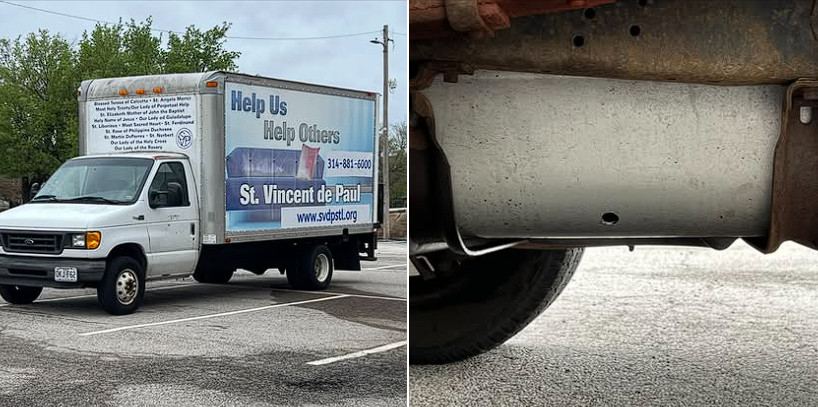
U.S. gasoline remains elevated at about $4.09 per gallon nationally, still roughly 92 cents above year-ago levels despite easing 7 cents week over week. The Iran war and Strait of Hormuz disruption have driven higher fuel prices and prompted new claims tied to thieves drilling holes in gas tanks to steal fuel, including a $3,000 repair in one case. California’s average gas price is $5.85 per gallon, underscoring continued pressure on consumers and fuel-dependent operators.
This is not an oil-demand story so much as a micro-theft inflation trade. When headline fuel prices stay elevated, the marginal victim is the non-fleet consumer and small operator with low-security, ground-level storage; insurers and repair shops gain pricing power before the macro fuel market moves again. The second-order effect is that even a brief spike in gasoline can create localized profit pools in auto repair, tank replacement, towing, and insurance claims handling, while depressing utilization for small delivery fleets and community organizations that rely on older diesel assets.
The more interesting setup is asymmetry: the crime wave can persist after pump prices normalize, because the vandalism economics are driven by perceived price levels and social proof, not just actual spreads. That means the near-term impact window is days to weeks, but claim frequency can lag price peaks by several weeks as opportunistic theft spreads geographically. If fuel volatility re-accelerates, expect a compounding effect on uninsured losses and deductibles for small businesses, which can force temporary service interruptions and incremental cash burn.
Consensus likely underestimates how quickly this becomes a fleet-maintenance and municipal-budget problem rather than a consumer inconvenience. In exposed regions, the incremental cost of anti-siphon retrofits, tank shielding, and parking/security could become more material than the stolen fuel itself, creating a durable capex tailwind for preventative equipment suppliers. The contrarian read is that once the repair cycle becomes visible, many insurers may tighten underwriting or raise deductibles, shifting more cost onto operators and accelerating replacement demand for aging vehicles and tanks.
AI-powered research, real-time alerts, and portfolio analytics for institutional investors.
Overall Sentiment
mildly negative
Sentiment Score
-0.20
