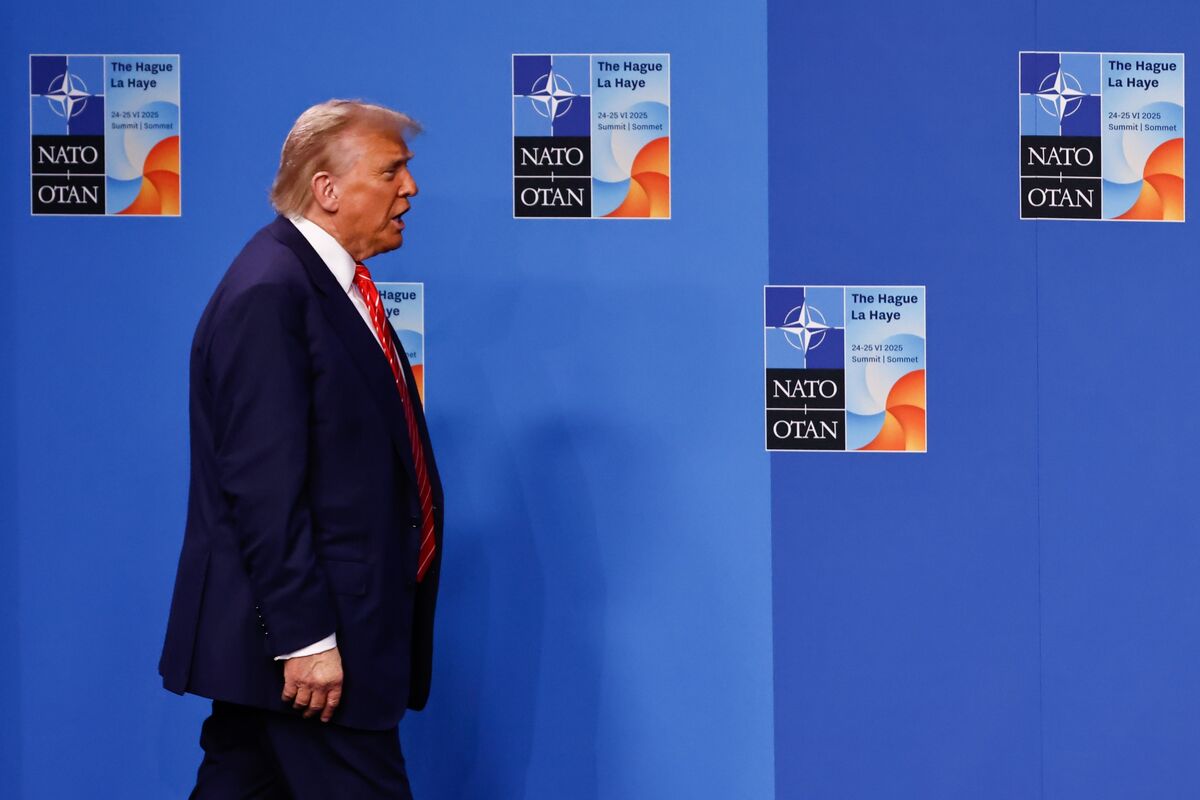
President Trump publicly denounced NATO as “COWARDS” after allies declined to send warships to help reopen the Strait of Hormuz, a chokepoint carrying about a fifth (~20%) of global oil supply. The blockade and diplomatic friction have spurred volatility and sent oil and gas prices sharply higher, raising short-term downside risk for growth and upside pressure on inflation.
A sustained spike in perceived transit risk will re-price the marginal cost of seaborne crude and refined product flows before physical shortages appear. Rerouting and war-risk premiums can add 10–25% to voyage costs and 7–14% to delivered crude costs for affected barrels within weeks, which flows 1:1 into spot tanker dayrates and materially into refining feedstock spreads. Shipping equities with VLCC/AFRA exposure will see the fastest and largest earnings reaction, while refiners with secure term barrels will enjoy transitory cracks expansion.
Second-order winners are firms that own physical storage and charter optionality (floating storage owners, commodity traders) and defense contractors able to scale follow-on logistics work; losers are short-cycle industrials and import-dependent downstreams facing input-cost pass-through pressure. Insurance and bank trade-finance desks will tighten terms within days, raising working capital costs for smaller traders and potentially throttling spot arbitrage — expect credit lines to shift from 30–90 day tenor toward shorter, higher-cost funding.
Key catalysts and timeframes: NATO/coalition naval commitments or a major SPR release can compress risk premia in 1–6 weeks; a real interdiction or escalation that expands to broader Gulf chokepoints pushes the shock into months and forces structural rerouting (months–years). Tail risks include a multi-month blockade, causing spot Brent to spike >$100 and triggering demand elasticity within 2–6 months. The contrarian angle: markets often overshoot on headline geopolitical risk; visible spare capacity in US light tight oil and floating storage means a resolution within 60–120 days would produce a sharp mean reversion in both energy and shipping spreads.
AI-powered research, real-time alerts, and portfolio analytics for institutional investors.
Overall Sentiment
moderately negative
Sentiment Score
-0.45
