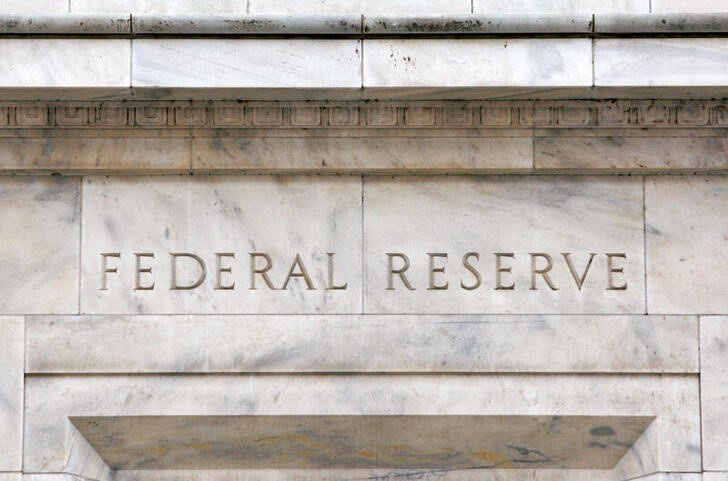
The Fed held rates at 3.50%–3.75% for a third straight meeting, but the decision featured four dissents, the most since 1992, highlighting growing policy division. Inflation remains elevated, with the FOMC citing recent increases in global energy prices and heightened uncertainty from Middle East developments. The article frames the setup as hawkish and uncertain, with meaningful implications for rates, gold, and broader risk sentiment.
The key market signal is not the unchanged rate itself, but the fracture inside the committee. A larger-than-usual dissent split raises the probability that policy positioning becomes more path-dependent and data-sensitive, which usually steepens term-premia volatility even before the next move in rates. That matters more for gold than the nominal policy level: the metal is increasingly trading as a real-rate and credibility asset, so any repricing toward slower cuts, firmer growth, or a less dovish post-Powell regime can pressure the 2026 target even if cuts eventually resume.
The second-order effect is that higher energy-driven inflation is bad for gold in the near term because it can lift nominal yields faster than inflation expectations, pushing real yields up. If the market starts to believe the Fed will tolerate persistent headline inflation while keeping policy restrictive, gold loses its hedge premium and becomes more vulnerable to CTA de-risking and systematic selling. Conversely, a deterioration in labor data would flip this quickly, but that likely needs several months rather than days; the near-term risk is that the market overweights geopolitical inflation while underpricing the growth impulse from tighter financial conditions.
The overlooked angle is leadership transition risk. A change in Fed composition can compress the credibility gap between the dot plot and actual forward guidance, which tends to widen gold’s trading range rather than drive a clean trend. In that setup, the asymmetric trade is not outright long gold; it is buying optionality around a volatility break, while fading crowded upside in miners that have already discounted a clean disinflation path. SMCI and APP remain high-beta sentiment beneficiaries only if rates stabilize or fall; if yields back up on a hawkish Fed repricing, their multiple support becomes fragile.
For positioning, the market is likely underestimating how much a less-dovish Fed can hit duration-sensitive growth while only modestly affecting cash-rich AI winners. That creates a cleaner relative-value setup than a broad beta short. The right framing is to own upside convexity in gold, but hedge the view with short exposure to high-multiple software/AI proxies that are most sensitive to real-rate spikes.
AI-powered research, real-time alerts, and portfolio analytics for institutional investors.
Request DemoOverall Sentiment
mildly negative
Sentiment Score
-0.15
Ticker Sentiment
