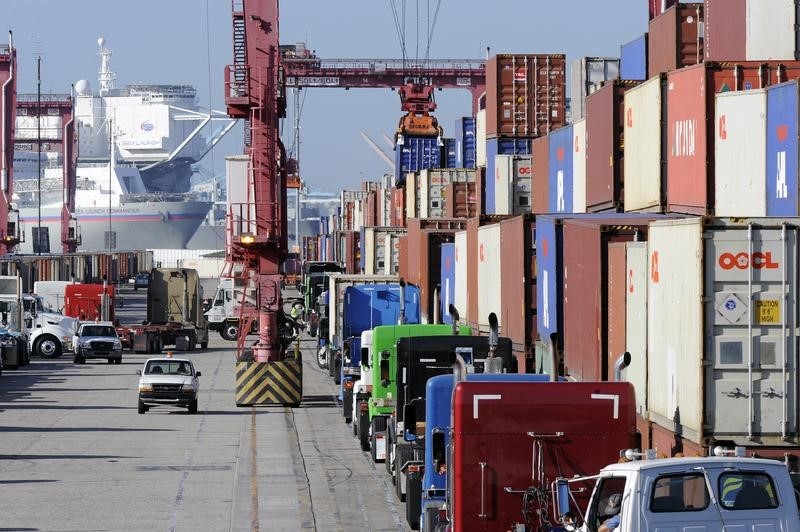
Japan posted a trade surplus of 667.0 billion yen in March, well above the 44.3 billion yen surplus a year earlier, as exports rose 11.7% year-on-year. Imports also increased 10.9%, but the stronger export performance points to resilient external demand despite global uncertainty and a weaker yen. The data is constructive for Japan's trade balance, though the article still flags fragile recovery and higher import costs.
Japan’s trade resilience is more important for global risk assets than the headline surplus suggests: it implies external demand is still holding up even as higher import costs squeeze domestic purchasing power. The second-order effect is a mild tailwind for Japanese exporters with high USD revenue exposure and a headwind for import-dependent retailers and energy users, especially if the yen stays weak enough to keep imported inflation sticky.
For the equity market, the bigger signal is not the macro print itself but the persistence of a weaker yen as an earnings amplifier for companies with overseas sales. That supports large-cap exporters and semiconductor-related supply chains, while simultaneously raising the probability that the BOJ tolerates tighter financial conditions only gradually; that is constructive for carry trades but keeps duration-sensitive domestic sectors under pressure.
The contrarian angle is that a stronger export mix can mask deteriorating real household demand. If wage growth fails to outrun import inflation over the next 1-2 quarters, the trade data can stay firm while domestic consumption rolls over, creating a late-cycle setup where exporters outperform and cyclically exposed retailers lag. That dynamic is already supportive of quality growth over domestic beta.
For SMCI and APP specifically, the article is only indirectly supportive: a resilient Japan/Asia export backdrop suggests capex and ad demand are not collapsing, but these names remain more tied to AI spending cycles than to this print. The better read-through is that broad risk appetite can stay constructive if Asia demand holds, but the trade is not a catalyst by itself.
AI-powered research, real-time alerts, and portfolio analytics for institutional investors.
Overall Sentiment
mildly positive
Sentiment Score
0.18
Ticker Sentiment
