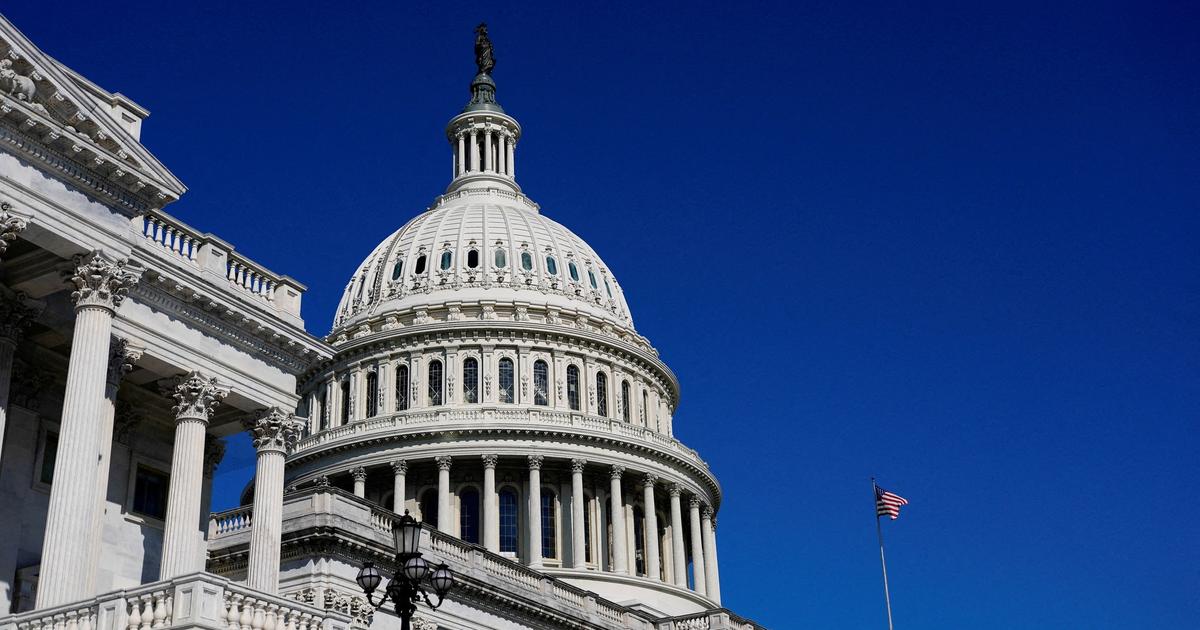
Gallup polling shows 86% of US adults disapprove of Congress, tied for the highest level in more than 50 years, while only 10% approve. Republican approval of Congress has fallen sharply to 20% from 63% in March 2025, underscoring political damage as the partial government shutdown drags on. The report is mainly a sentiment/politics update, with limited direct market impact.
The market implication is less about Washington optics and more about execution risk on the fiscal calendar. When approval collapses this hard, the odds rise that both parties prioritize symbolic brinkmanship over orderly appropriations, which can turn a nuisance shutdown into a recurring liquidity event for domestic contractors, airlines, defense support services, and small-cap government vendors. The second-order effect is a wider “policy risk” discount for businesses with federal revenue concentration, especially those that rely on permit timing, reimbursement cadence, or procurement awards.
The real sensitivity is in rates and vol, not just equities. A prolonged shutdown or near-debt-ceiling standoff tends to push investors toward duration and quality, but if the political pain becomes asymmetric, markets can quickly flip to pricing faster fiscal accommodation, steeper deficits, and a higher term premium. That matters for banks, homebuilders, and cyclicals: the longer the impasse lasts, the more it behaves like a tax on confidence, delaying capex and hiring decisions into the next quarter.
Consensus is likely underestimating how quickly political disapproval can translate into legislative paralysis and, in turn, into narrower risk appetite. The contrarian view is that sentiment extremes often force compromise sooner than expected; once pain becomes visible in government payrolls, travel, and contractor revenues, Washington usually blinks. So the setup is not a clean directional short on equities, but a tactical hedging window where downside can be harvested if the shutdown drags while the upside from a resolution is abrupt and violent.
The cleanest expression is to own defensive duration and funded hedges against domestic-policy beta rather than blanket bearishness. If the impasse resolves quickly, the trade should lose only modest carry; if it stretches for weeks, the losers compound through delayed payments, missed milestones, and sentiment spillover into consumer confidence. That asymmetry favors short-dated options and relative-value pairs over outright index shorts.
AI-powered research, real-time alerts, and portfolio analytics for institutional investors.
Request DemoOverall Sentiment
mildly negative
Sentiment Score
-0.15
