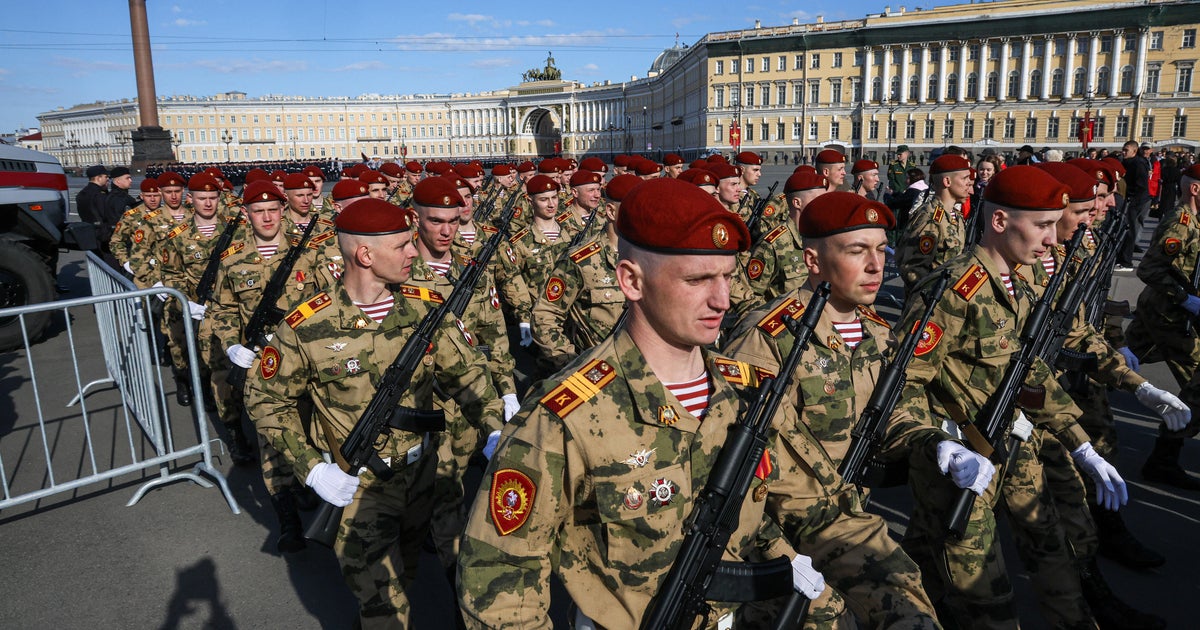
British intelligence said nearly 500,000 Russian soldiers have been killed since the 2022 invasion of Ukraine, the highest official on-record estimate from any government. The article also describes intensified Russian strikes on Kyiv, Ukrainian retaliatory attacks on Russian energy infrastructure, and warnings for foreign nationals to evacuate, underscoring a worsening wartime risk backdrop. Analysts say the character of the war is shifting in favor of Ukrainian forces, but near-term escalation risk remains elevated.
The market implication is not the headline casualty count itself; it is the signal that Moscow is still sustaining a high-intensity attritional strategy without an obvious political breaking point. That keeps the defense spending supercycle intact for months, not days, and argues against fading the European rearmament trade on any near-term peace headline. The most likely second-order effect is further prioritization of stockpiles, drone defense, electronic warfare, and missile-intercept capacity rather than legacy platform procurement, which should continue to favor names with exposure to guided munitions, air defense, and battlefield software. The bigger underappreciated risk is escalation in critical infrastructure warfare. Strikes on energy assets and command nodes raise the probability of episodic outages, refinery disruptions, and logistics bottlenecks across the Black Sea corridor; that is a tailwind for crude differentials and for NATO-aligned industrial suppliers, but a headwind for European cyclicals already facing weak demand. If the conflict’s “character” is shifting toward deeper strikes and more remote attacks, then the market should expect a higher floor for geopolitical risk premia in European gas, defense, and cybersecurity over the next 3-12 months. The contrarian view is that the battlefield momentum may actually accelerate negotiations later this year if Russian force quality deteriorates faster than front-line resilience suggests. That would be the first real air-pocket for the defense trade, but it likely needs a visible change in U.S. support, sanctions enforcement, or Ukrainian air-defense inventory before it becomes credible. Until then, the more probable path is not de-escalation but a widening strike envelope that keeps capital flowing into hard-security spending.
AI-powered research, real-time alerts, and portfolio analytics for institutional investors.
Request DemoOverall Sentiment
strongly negative
Sentiment Score
-0.85
