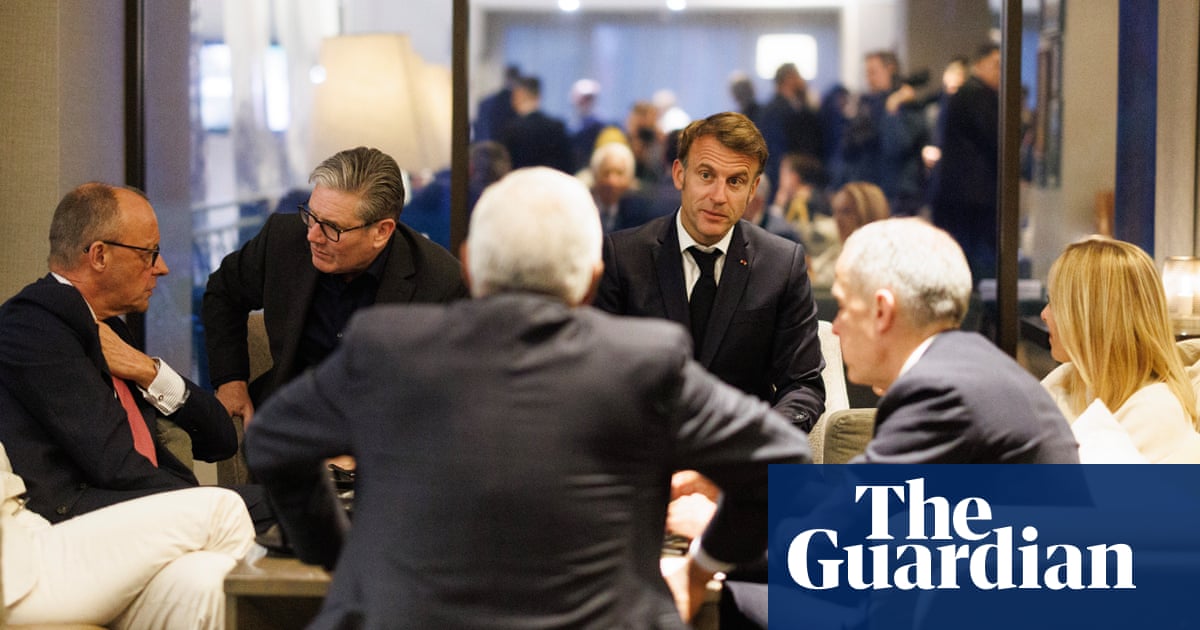
G7 leaders are attempting to mediate a de-escalation between Iran and Israel, leveraging Gulf leaders as intermediaries amid heightened tensions. Iran demands a joint ceasefire, while Israel resists, and the US seeks Iranian concessions on uranium enrichment; Trump hinted at receiving signals from Iran indicating a willingness to negotiate. European leaders are warning Iran of potential further Israeli military action if concessions aren't made, fearing a prolonged conflict that could disrupt global trade and raise oil prices, while divisions exist among G7 members regarding criticism of Israel's recent military actions.
The G7 summit is currently a focal point for intense diplomatic efforts aimed at de-escalating the conflict between Iran and Israel, a situation characterized by 'strongly negative' sentiment and a high market impact score of 0.8, reflecting significant uncertainty. European leaders are utilizing Gulf states as intermediaries to bring Iran to the negotiating table, but progress is hindered by Iran's demand for a joint ceasefire with Israel and its insistence on maintaining the right to enrich uranium. Conversely, Israeli Prime Minister Netanyahu resists a ceasefire, and the US, under President Trump, seeks Iranian concessions on its nuclear program, with Trump indicating Iran's willingness to talk while using the ongoing Israeli assault as leverage. European leaders are deeply concerned about the potential for wider regional conflict, which could severely impact global trade, notably through a possible Iranian blockade of the Strait of Hormuz leading to oil price surges, and are warning Iran that concessions are necessary to avert further Israeli military action that might aim to topple the current Iranian government. This concern is amplified by reports of Iran's 'decision-making structure' being 'in flux' following Israeli actions, including the bombing of parts of its foreign ministry. The G7 itself is not entirely unified, with Japan's Prime Minister Shigeru Ishiba sharply criticizing Israel's recent military assaults, highlighting the complexities in forging a common diplomatic stance. The crisis has provided an opportunity for European powers (UK, France, Germany), who were reportedly 'ever-present in the negotiations with Iran' between 2013 and 2025, to reassert their role after being largely sidelined by the US since Trump's return to the White House. The G7 is preparing a joint statement, but its contents, particularly regarding any criticism of Israel or a call for a ceasefire, remain a point of contention.
AI-powered research, real-time alerts, and portfolio analytics for institutional investors.
Request DemoOverall Sentiment
strongly negative
Sentiment Score
-0.70
