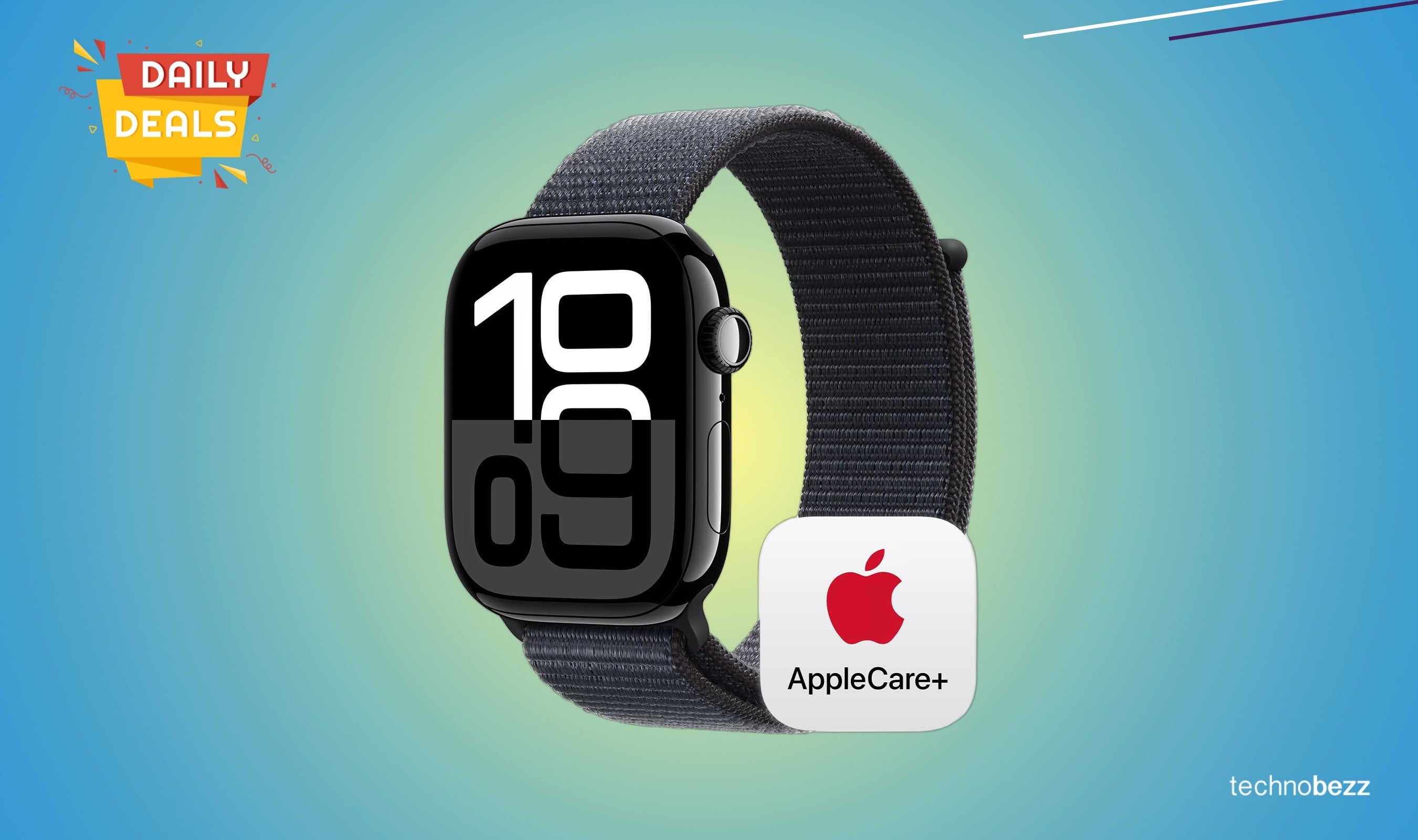
Apple Watch Series 10 GPS 46mm is discounted to $408, down $62.01 or 13% from the usual price and below its 30-day average of $470.01. The deal makes Apple's premium wearable more accessible for iPhone users seeking advanced health and fitness tracking, including ECG, irregular rhythm notifications, and sleep apnea detection. The article is primarily a consumer deal update, so broader market impact should be limited.
This is less about one discounted SKU and more about Apple using retail pricing to defend ecosystem stickiness at the margin. A lower entry point on the larger-screen, health-centric watch widens the funnel for iPhone users who have been deferring upgrades, which helps normalize attachment rates ahead of the next hardware cycle. The bigger implication is not unit growth alone, but that Apple keeps wearables positioned as a gateway to higher-value services engagement and eventual ecosystem lock-in. The second-order loser is the broader Android wearables cohort, especially Samsung and Fitbit-like value alternatives, because Apple is signaling it can selectively compress price without compromising perceived premium status. That matters in a category where hardware differentiation is increasingly thin and consumer decisioning is driven by brand, health features, and installed base. On the supply side, any sustained demand lift favors Apple’s component partners in display, sensors, and assembly more than retail channels, since a well-timed discount can clear inventory without structurally lowering Apple’s gross margin profile. The contrarian angle is that this may be a tactical conversion tool rather than evidence of a demand problem; the more relevant read-through is on upgrade cadence, not end demand. If the watch discount is working, it can pull forward purchases from the next 30-60 days, but it does little to change the medium-term narrative unless Apple repeats the strategy across multiple SKUs. The real risk is that consumers learn to wait for promotional windows, which would cap full-price sell-through and gradually pressure average selling prices across the wearables line. For AMZN, the effect is incremental but real: high-intent tech traffic and conversion velocity improve when premium gadgets hit psychologically important thresholds. That supports marketplace engagement and ad efficiency in the near term, though the value accrual is more to Amazon’s retail flywheel than to unit economics on this one item. If this becomes a recurring pattern, Amazon benefits from being the preferred liquidity venue for Apple hardware promotions.
AI-powered research, real-time alerts, and portfolio analytics for institutional investors.
Request DemoOverall Sentiment
mildly positive
Sentiment Score
0.25
Ticker Sentiment
