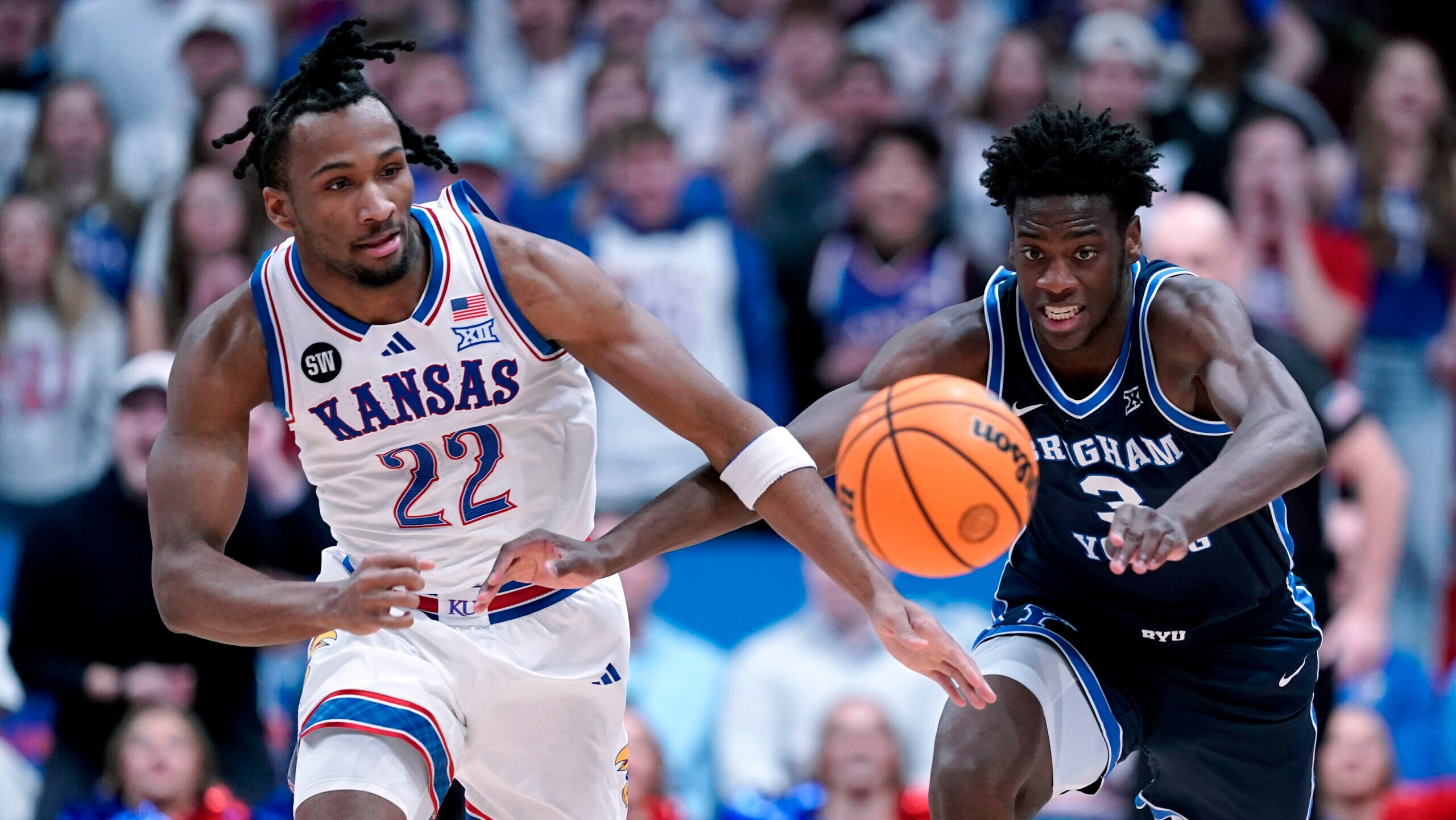
The article is a 2026 NBA mock draft following the lottery, with the Washington Wizards landing No. 1 and projected to select AJ Dybantsa, followed by Utah at No. 2, Memphis at No. 3 and Chicago at No. 4. It also notes the LA Clippers moving up to No. 5 via the Ivica Zubac trade and provides a full first- and second-round projection with prospect evaluations. This is industry commentary and draft analysis rather than market-sensitive corporate news.
The market implication is not the draft order itself but the shape of talent allocation: this class is unusually rich in on-ball creators and oversized wings, which should widen the gap between teams that already have usage-absorbing infrastructure and those still searching for a primary engine. That favors organizations with flexible cap sheets and multiple timeline options, while punishing clubs that are forced to draft for need in a low-margin context. In practice, the biggest beneficiaries are teams that can either consolidate picks or use rookie-scale contracts as optionality rather than immediate rotation dependence.
The second-order effect is on incumbent veterans at overlapping positions. A few franchises are now staring at a direct path to replace expensive, lower-upside perimeter pieces with younger, cheaper versions over the next 6-18 months, which should increase trade pressure on mid-tier guards and wings whose production is more replaceable than the market thinks. That dynamic is especially relevant for teams with young guards already on the roster: draft capital can become a de facto anti-dilution hedge, not a luxury.
From a risk standpoint, this is a pre-combine price discovery phase, so the main catalyst is medical/measurement dispersion and workout feedback. Players with injury flags or size questions can move several slots either way, and the biggest reversal risk is that teams over-index on early tournament recency and underweight athletic translation. In a class this deep, the final 10-15 picks in the lottery range may be less about talent tiers and more about fit, which creates more mispricing than usual in futures-like draft markets.
The contrarian read is that the consensus is probably overconfident on the top four “safe” outcomes and underappreciating how much volatility sits in the guard-heavy middle. If the pre-draft process boosts one or two fringe lead guards, it can compress the value of broader wings and bigs in the 5-15 range, creating a window to buy perceived fallers once teams reveal their actual board. The better trade is not to chase the obvious top names, but to position around teams with multiple picks and structural incentives to monetize the class.
AI-powered research, real-time alerts, and portfolio analytics for institutional investors.
Request DemoOverall Sentiment
neutral
Sentiment Score
0.05
Ticker Sentiment
