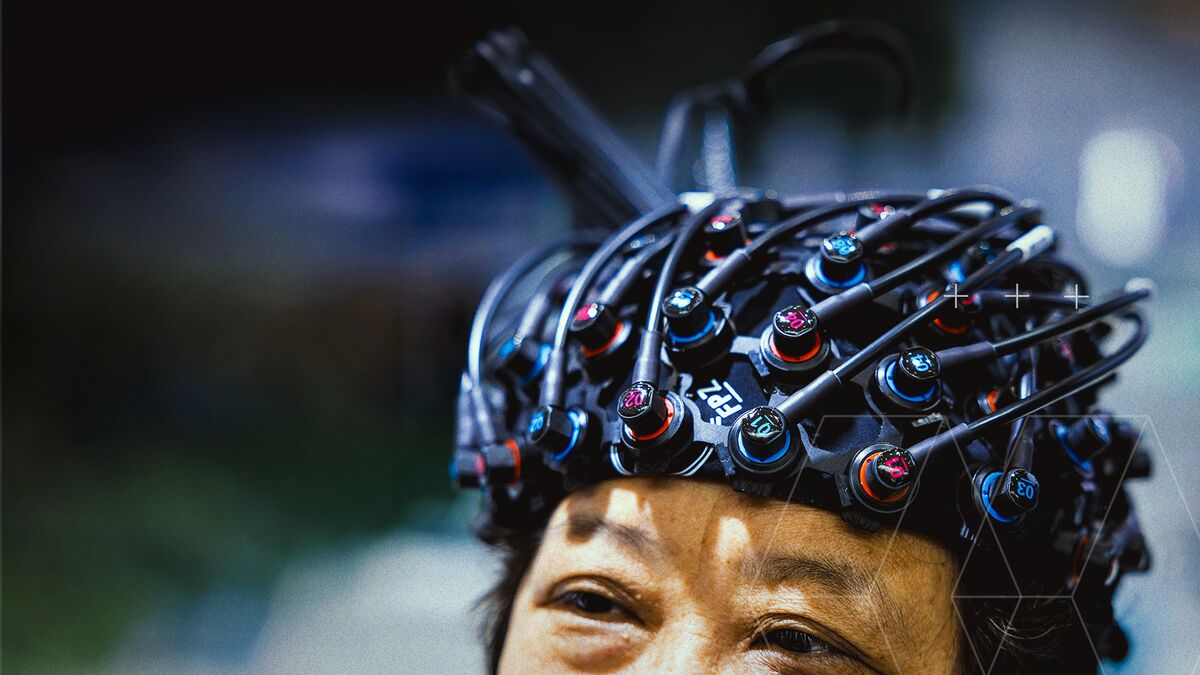
Implantable brain-computer interfaces are moving from science fiction to clinical reality, with patients already using BCIs to browse the internet, control robotic arms and transcribe thoughts into text. The article highlights rapid advances in hardware and AI, plus growing startup activity in China backed by the state as Beijing targets global leadership in brain technology by 2030. The near-term market impact is limited, but the theme is constructive for neurotechnology and AI-enabled medical devices.
The important second-order effect here is not just a new medical device category, but a tightening loop between AI models, low-power semiconductor design, and surgically precise hardware. That favors the enabling stack more than the end-product startups: sensor integration, implant-grade materials, wireless power, edge inference chips, and specialized surgical robotics should see the earliest monetization, while pure-play BCI applications remain years from broad commercialization.
China’s state support matters because this is a dual-use adjacency disguised as healthcare. If Beijing treats BCIs as strategic infrastructure, procurement can compress time-to-market and subsidize clinical adoption, which would widen the gap between domestic and Western startups in the Chinese market even if U.S. firms remain ahead technologically. The bigger implication for investors is that this can become a platform race, where success compounds through data accumulation: the first players to gather high-quality neural datasets will have an enduring model-training advantage.
The market is likely overestimating near-term revenue and underestimating regulatory friction. Brain implants have a long tail of failure modes — infection, device drift, explant risk, reimbursement uncertainty, and public backlash if a high-profile adverse event occurs — so the upside is more likely to materialize over a multi-year horizon than in the next few quarters. A reversal would probably come from one of three catalysts: a safety incident, tighter export controls on advanced chips/sensors, or evidence that non-invasive AI interfaces can solve enough use cases to delay implant adoption.
Contrarianly, the near-term winner may be not the implant makers but medtech incumbents and contract manufacturers with capabilities in neuromodulation, surgical navigation, and implantable electronics. If the category inflects, the value may accrue first to the picks-and-shovels layer and later to the branded platforms, especially if reimbursement remains constrained and clinical indications stay narrow. In other words, the public equity opportunity is likely in infrastructure exposure to the neurotech supply chain, not in assuming a Neuralink-style consumer breakthrough anytime soon.
AI-powered research, real-time alerts, and portfolio analytics for institutional investors.
Request DemoOverall Sentiment
mildly positive
Sentiment Score
0.20
