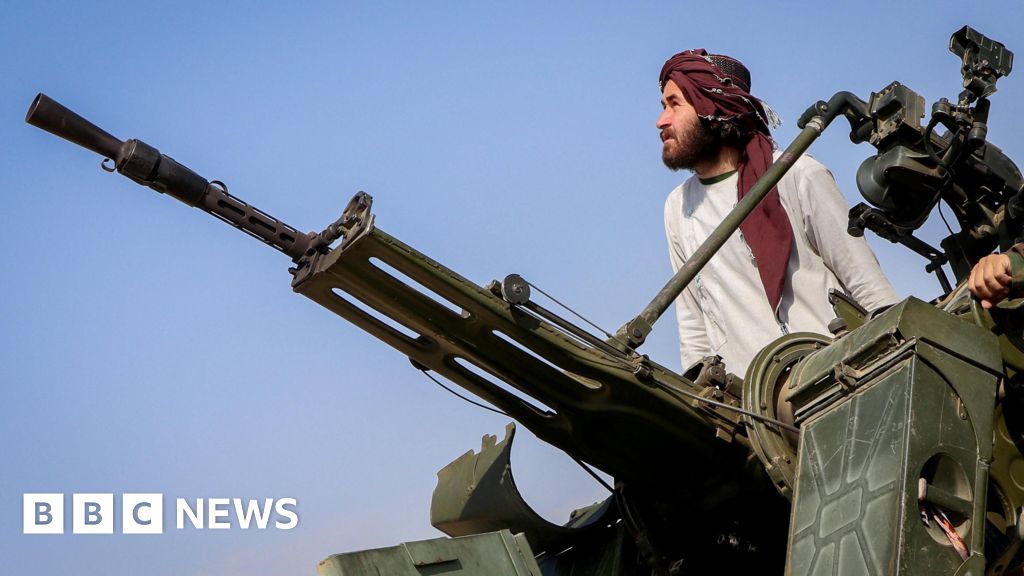
Pakistan launched airstrikes into Afghanistan, including strikes near Kabul and in Paktia and Kandahar, after claiming Afghan-based TTP militants—whom it blames for recent deadly attacks—are being sheltered by the Taliban government; the Taliban says it conducted retaliatory ground operations and denies enabling attacks on Pakistan. The UN reported credible claims of civilian casualties from earlier strikes, Pakistan cites conclusive evidence against TTP, and both sides remain locked in periodic escalations despite prior mediation efforts by Qatar and Turkey. The conflict has closed bilateral trade since October 2025, disrupting supplies and medicines and amplifying economic stress in Afghanistan; information remains hard to verify, while Pakistan retains clear conventional military superiority and the Taliban is employing drones and guerrilla tactics.
Market Structure: The immediate winners are safe-haven and security-exposure assets — gold miners and sovereign-credit protection — while Pakistan- and Afghanistan-exposed corporates, frontier-market ETFs and local-currency sovereign bonds are clear losers. Cross-border trade closure since Oct 2025 tightens supply of medicines and basic goods in Afghanistan, lifting local price levels and worsening sovereign liquidity; global commodity balances are largely unaffected but regional inflation and import bills will rise by an estimated +5–15% in affected provinces over 1–3 months.
Risk Assessment: Tail risks include a wider Pakistan ground incursion into Afghanistan, a major terrorist strike inside Pakistan, or foreign mediation failure; each has low-to-medium probability but would spike Pakistan 5y CDS by +300–800bp and EM local-currency FX volatility by 25–50% within days. Time horizons split: immediate (days) = FX and local-bond volatility; short-term (weeks–months) = trade shocks, remittance/IMF pressures; long-term (quarters–years) = strategic realignments (China/Pakistan corridor acceleration).
Trade Implications: Tactical hedges are priority: buy gold (GLD/GDX) and US Treasuries (TLT) as 1–3 week volatility hedges; purchase 3-month put protection on EEM sized to cover 2–5% portfolio EM exposure; buy Pakistan CDS or short PAK ETF for direct credit/equity exposure. Sector rotation: trim EM cyclical/small-cap exposure by 2–4% and redeploy into defense (LMT, RTX) and quality miners (GDX) for 3–12 month asymmetric upside.
AI-powered research, real-time alerts, and portfolio analytics for institutional investors.
Request DemoOverall Sentiment
strongly negative
Sentiment Score
-0.60
Contrarian Angles: Market consensus may overdiscount a permanent spillover — previous Oct 2025 flare-up de-escalated after mediation within ~6–8 weeks, so extreme sell-offs could present mean-reversion entry points. Mispricings to watch: if PAK ETF falls >40% or Pakistan 5y CDS widens >+300bp, selectively buy into large-cap Pakistani banks/commodities on 6–12 month view; conversely, if ceasefire confirmed and CDS tightens by >200bp, quickly unwind short-credit positions.
