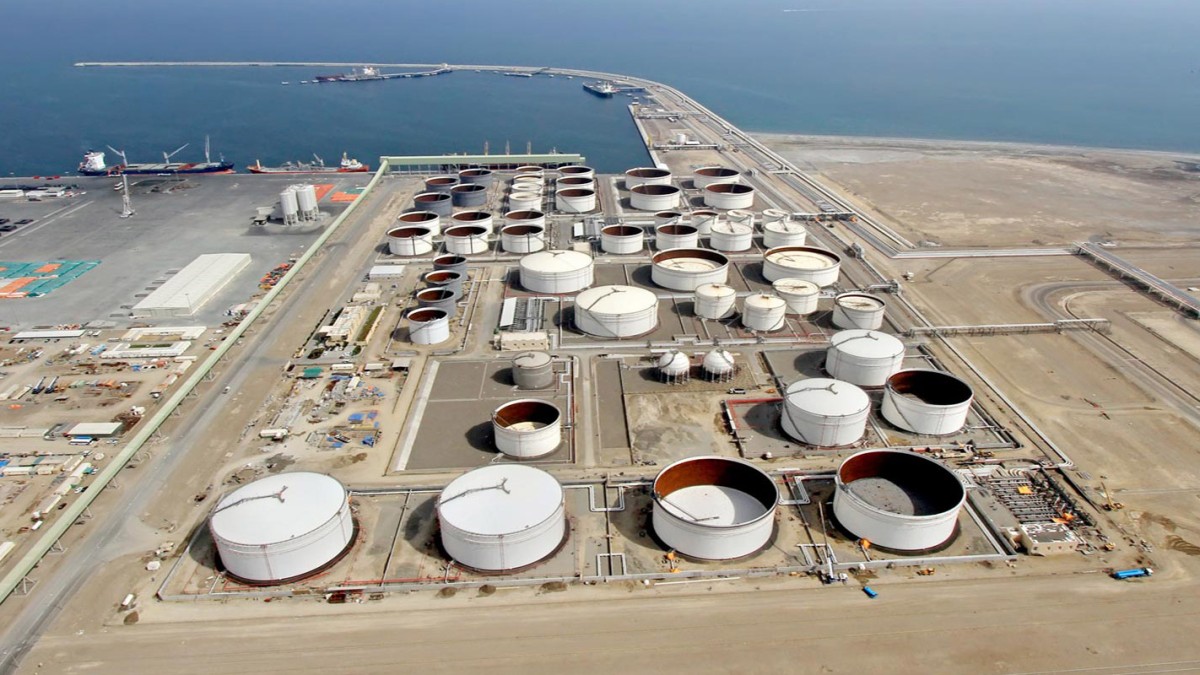
The article warns that Middle East supply losses have reached 10.5 million barrels per day, with Kpler citing 782 million barrels of cumulative loss since February 28 and a projected 1 billion barrels by month-end. Saudi Arabia, Iraq, Iran, and Kuwait are all seeing multi-million-barrel-per-day declines, while the IEA now expects global oil demand to exceed supply this year. With inventories being drawn down and the Strait of Hormuz still largely blocked, the piece argues that oil and refined fuel prices are at risk of a sharp, market-wide spike.
This is no longer a simple crude price shock; the more important second-order effect is the migration from upstream scarcity into downstream bottlenecks. When inventories become the buffer, the market usually looks calm right until refining utilization and product availability tighten abruptly, at which point gasoline, diesel, jet, and bunker spreads can gap far faster than headline Brent. That favors assets with integrated refining and storage optionality over pure upstream names, because the incremental margin migrates from the barrel to the molecule.
The most interesting implication for JPM is not direct energy exposure but credit and market-structure risk. Elevated fuel costs and inventory stress tend to hit transport, airlines, chemicals, and small-cap cyclicals first, but the cleaner trade is that commodity volatility feeds tighter financing conditions for balance-sheet-heavy commodity merchants and commodity-linked borrowers. If the shock persists into June, the problem shifts from price discovery to physical settlement risk, which historically amplifies basis dislocations and can stress commodity trade finance desks.
The consensus is probably still underestimating policy response asymmetry: if the outage lasts only days, markets can reprice and stabilize; if it lasts weeks, governments may prioritize product allocation over crude substitution, which keeps refining margins elevated even if headline crude softens. That argues for looking through near-term crude spikes and focusing on the lagging beneficiaries of scarcity management. The contrarian risk is that once a credible reopening signal appears, crude can mean-revert violently while product cracks stay firm longer, punishing crowded outright long-oil positions.
Net: this is a better setup for relative-value energy than for naked directional longs. The path dependency matters more than the end state, and the next leg likely comes from inventory exhaustion and refinery economics, not simply from Brent ticking higher.
AI-powered research, real-time alerts, and portfolio analytics for institutional investors.
Request DemoOverall Sentiment
extremely negative
Sentiment Score
-0.85
Ticker Sentiment
