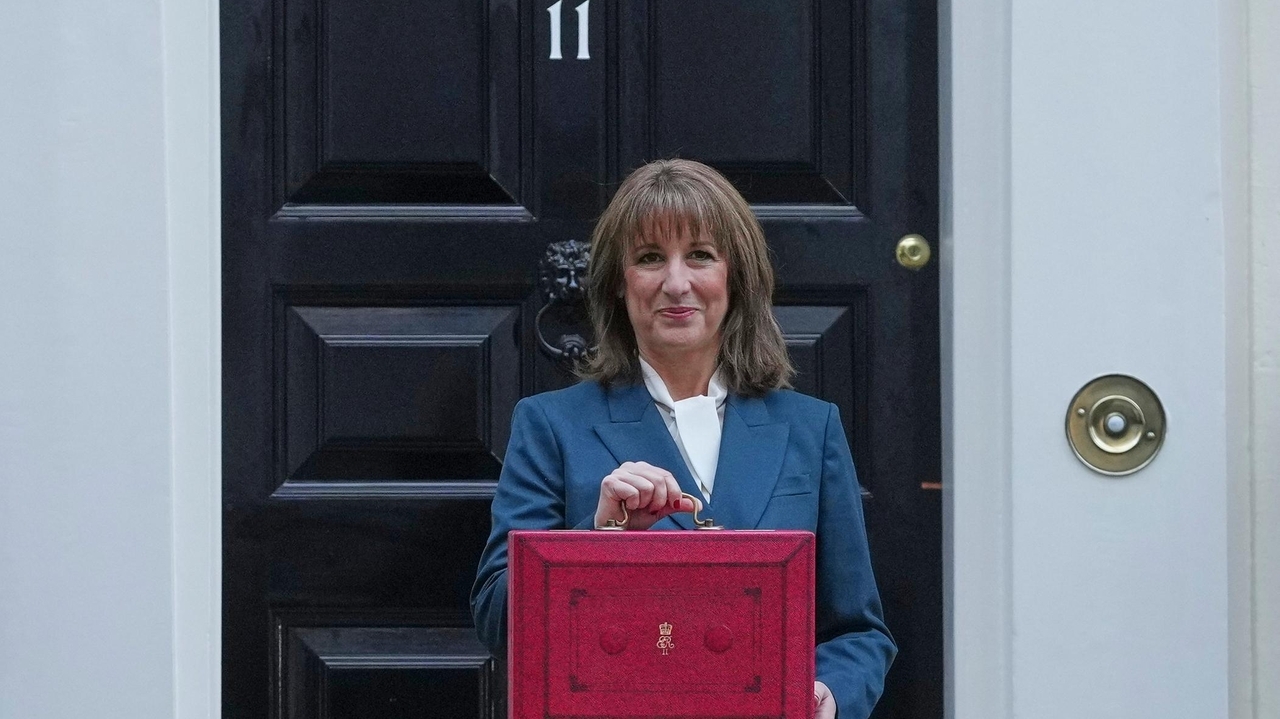
UK headline CPI rose to 3.4% year-on-year in December from 3.2% in November, a rise partly driven by higher taxes on tobacco and increased spending on overseas trips; economists had expected 3.5%. The print is seen as a temporary blip on a downward path toward the Bank of England’s 2% target, supporting expectations that the BoE — currently with a main rate of 3.75% — will begin cutting rates as inflation falls toward 2026; the Labour government framed the data as a positive sign for growth prospects in 2026.
Market structure: A modest December rise to 3.4% is a temporary blip against an anticipated path to 2% by 2026, favoring duration-sensitive assets (long gilts, UK REITs) and growth/cyclicals that benefit from lower borrowing costs; losers in a cut cycle include UK banks (NIM compression) and short-term cash instruments. Competitive dynamics: lower terminal rates compress funding costs and expand mortgage affordability, likely reallocating share toward housebuilders and consumer discretionary over savings-focused incumbents; tobacco tax-driven CPI components are idiosyncratic and do not imply broad demand-pull inflation. Cross-asset: expect 10y UK gilt yields to retrace materially (target 50–150bp lower over 6–18 months if cuts begin), GBP to weaken vs USD/EUR on BoE/Fed divergence (3–6% downside scenario), and UK equity multiple expansion for rate-sensitive names.
Risk assessment: Tail risks include persistent wage/energy inflation or fiscal loosening that forces BoE to pause — a 100–200bp upside shock to yields would hurt long-duration positions. Time horizons: immediate (days) repricing around CPI and BoE minutes; short-term (1–3 months) volatility around first cut signaling; long-term (12–36 months) realignment to 2% target. Hidden dependencies: UK labor wage prints, global energy shocks, and fiscal policy (tax changes) could reverse the expected disinflation; key catalysts are monthly CPI, NIESR GDP, BoE MPC votes and Spring Budget.
Trade implications: Primary plays are long UK duration (buy 10y gilts or long-dated gilt ETFs) and short GBP via FX or puts to capture monetary divergence; rotate into UK housebuilders/REITs on confirmed cut signals (first 25bp cut) and short UK banks. Use options to express convexity: buy 6–12m GBP puts and long gilt call-style exposure (payer swaption/long bond futures). Entry/exit: initiate on dovish BoE rhetoric or when 10y gilt yield falls below your trigger (e.g., 2.75%); tighten stops if CPI re-accelerates past 4%.
Contrarian angles: Consensus expects steady cuts — that may underprice upside CPI risk from wages/energy or fiscal largesse, creating a tactical short on long gilts if wages surprise >0.5pp. Markets may also be underestimating the lag to 2% (timeline pushout to 2027 would keep yields higher), so stagger duration exposure. Historical parallels: 2015–17 BoE easing cycles show GBP can overshoot on the downside then snap back on inflation surprises; size positions accordingly and favor asymmetric option structures.
AI-powered research, real-time alerts, and portfolio analytics for institutional investors.
Request DemoOverall Sentiment
neutral
Sentiment Score
0.00
