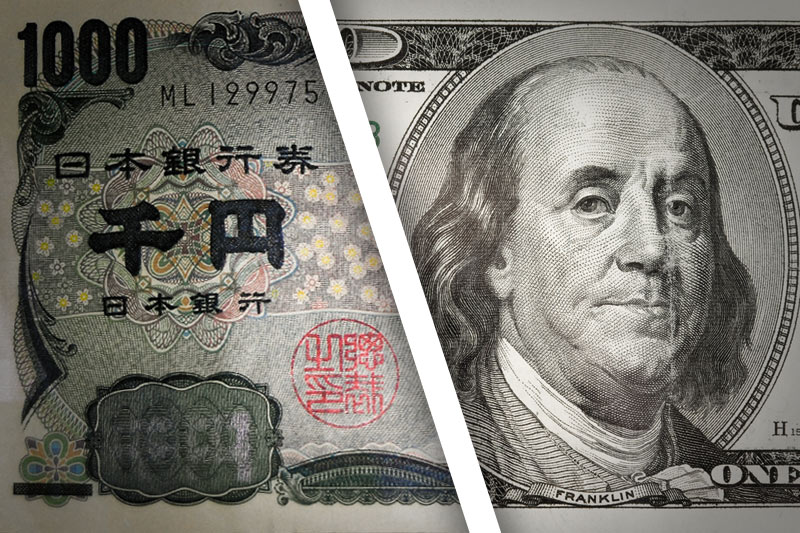
The Japanese yen briefly weakened to around 162.40 per dollar, its lowest level against the U.S. dollar since 1986, despite renewed warnings from Japanese officials. Tokyo has already spent a record ¥11.73 trillion ($72.4 billion) on currency intervention, but the yen remains under pressure from the BOJ's 1% policy rate versus a still-hawkish Fed, keeping carry trades attractive. The weaker yen supports exporters and equities but raises import and energy costs, adding inflationary pressure and political strain for the Takaichi government.
The key market implication is not just “weak yen,” but a widening policy credibility gap that keeps carry attractive even when Japan verbally resists. That favors exporters with strong foreign revenue translation, but the second-order winner is global duration and risk assets funded out of yen: as long as the BOJ moves too slowly relative to the Fed, the marginal seller of yen remains systematic rather than discretionary, which tends to extend trends longer than consensus expects.
The bigger loser is the domestic Japan consumer complex, where import-cost pass-through is starting to show up in services inflation and transport-sensitive categories. That is a negative mix for household spending, small-cap domestic retailers, airlines, and anything with thin pricing power; the pain is likely to intensify over the next 1-2 quarters before policy response catches up, especially if energy stabilizes at levels that keep real incomes under pressure.
For U.S. equities, a softer yen is mildly supportive for multinationals with Japanese competition, but the more tradable effect is volatility in global rates and FX rather than direction in the Dow itself. The record U.S. close is fragile if it is being financed by carry and narrow mega-cap leadership; any disorderly move toward intervention can force de-risking across crowded trend and CTA books, creating a short-lived risk-off spike even if the dollar trend ultimately reasserts.
Consensus is likely underestimating how reluctant Tokyo is to spend another large intervention package without a clear domestic inflation payoff. That means the yen can stay weak for weeks to months longer than policymakers want, but the move is also setting up a sharper snapback once either U.S. rate cuts arrive or intervention becomes coordinated and credible. The asymmetric risk is to the short-yen trade: carry earns slowly, but intervention headlines can wipe out months of P&L in a single session.
AI-powered research, real-time alerts, and portfolio analytics for institutional investors.
Request DemoOverall Sentiment
mildly negative
Sentiment Score
-0.35
Ticker Sentiment
