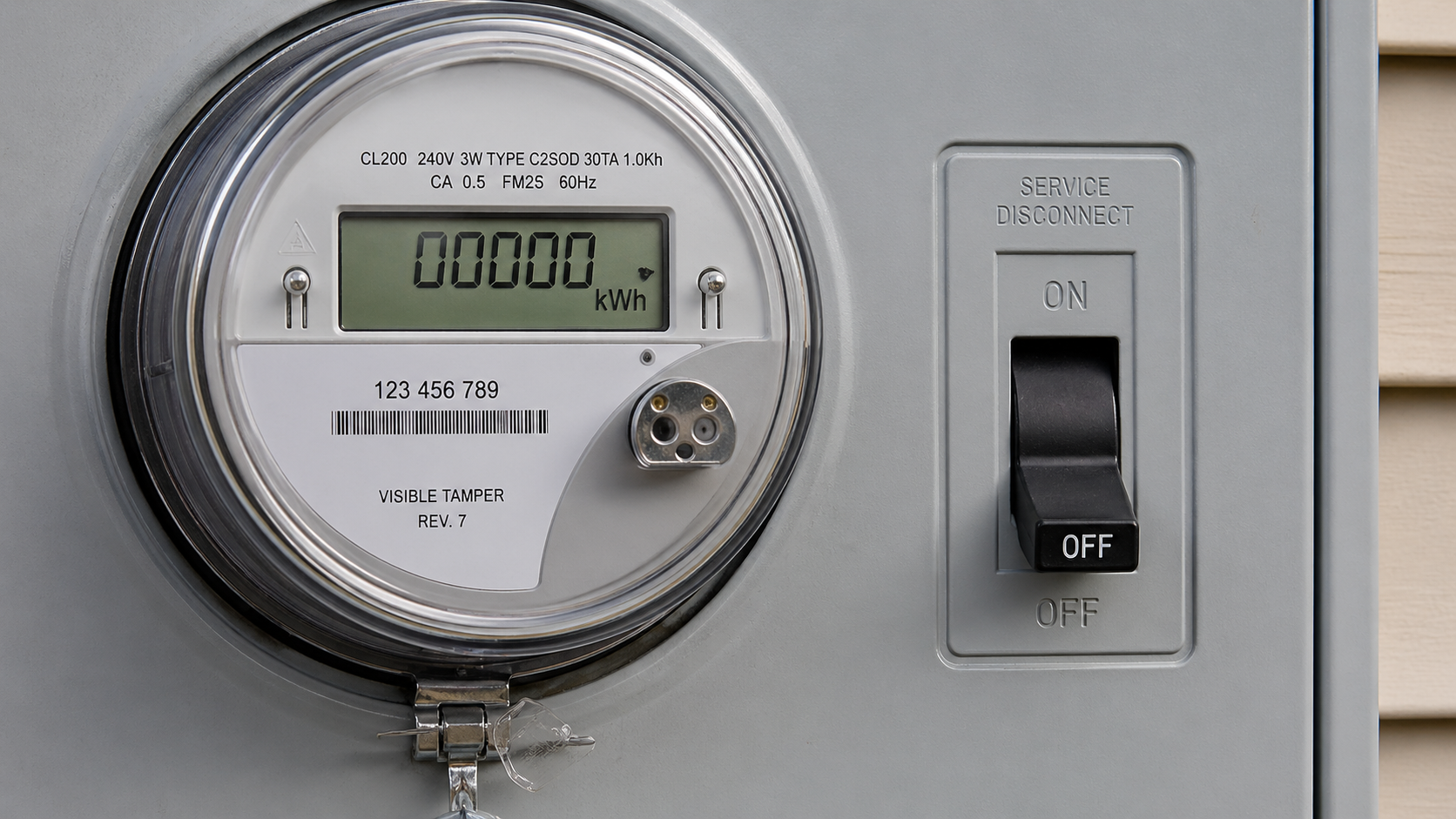
A new EIA report says millions of U.S. households have experienced electricity shutoffs or disconnection notices due to unpaid bills, highlighting persistent energy affordability stress, especially among low-income renters and families. Rising utility prices and elevated economic pressure are worsening the problem, while assistance programs like LIHEAP are described as insufficient. The article also notes summer heat could intensify the burden, though it mainly provides household energy-saving tips rather than new market-moving policy action.
The immediate market impact is less about utility sector earnings and more about the downstream credit signal. Rising shutoff/delinquency pressure is an early warning that the consumer is reaching the edge of bill fatigue, and that typically shows up first in discretionary retail, subprime credit, and appliance replacement demand before it is visible in headline macro data. The second-order effect is that households forced to triage electricity over other bills will cut non-essentials, which argues for a wider dispersion between value-oriented staples/discount retail and lower-income exposed discretionary names over the next 1-2 quarters.
For utilities, this is not a clean positive despite higher nominal tariffs. In regulated markets, chronic non-payment raises bad debt expense and political risk, increasing the chance that commissions slow future rate increases or expand arrearage programs. That makes the earnings quality of high-exposure utilities more fragile than the top-line rate narrative suggests, especially in states with the highest heat stress and largest renter populations. The key catalyst is summer load stress: a hotter-than-normal season can lift kWh sales, but it also increases delinquency and hardship costs, so the net effect may be margin-negative for the worst-positioned utilities.
The most interesting contrarian angle is that the policy response may matter more than the weather. If arrears and shutoffs keep climbing, state and federal aid could expand or be re-targeted, creating a temporary relief valve for low-income consumers and reducing the severity of the downturn in the weakest cohorts. That means the trade is not to short the entire consumer complex, but to isolate the names most exposed to the lowest-income household wallet share and least able to pass through higher utility burdens. Over a 3-6 month horizon, the setup favors relative-value rather than outright beta shorts.
AI-powered research, real-time alerts, and portfolio analytics for institutional investors.
Request DemoOverall Sentiment
mildly negative
Sentiment Score
-0.35
