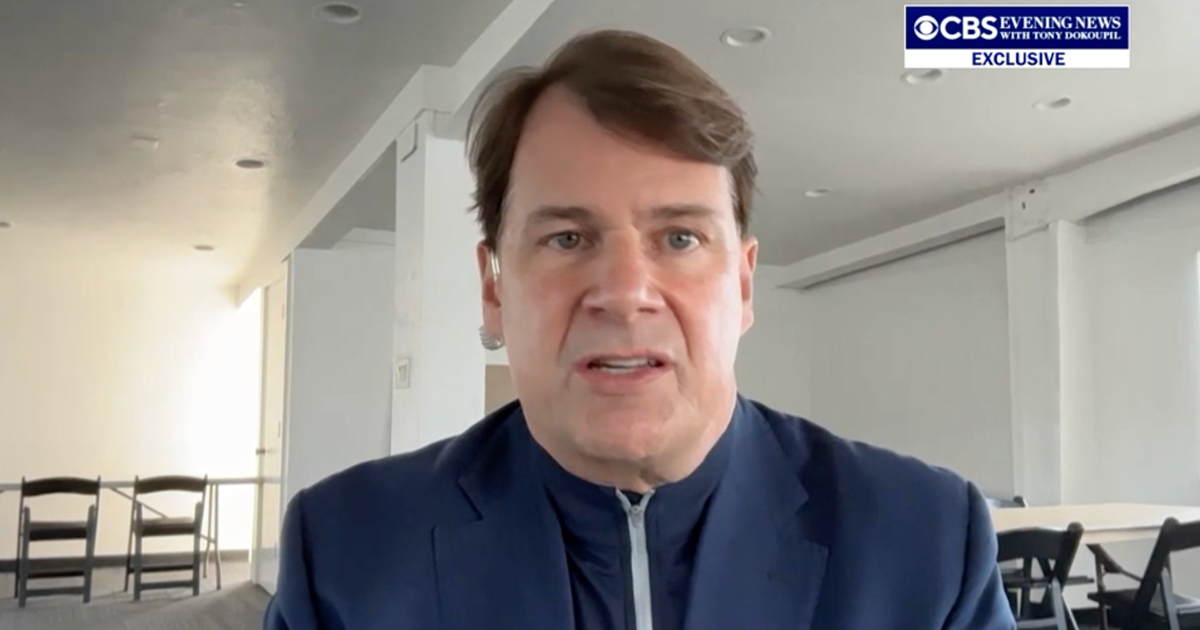
Ford CEO Jim Farley said the company plans to push more affordable vehicles, targeting new models at $40,000 or less and offering more lower-priced versions of the F-150 and Explorer. Ford is also running employee pricing through July 4 and promoting $399 to $499 leases as it responds to a nearly $50,000 average new-car price, up 30% from 2019. The comments are supportive for Ford's demand positioning, though the article is more strategic than immediately financially material.
The strategic implication is not simply “lower prices,” but a deliberate attempt to re-anchor Ford’s demand mix toward the elastic middle of the market where unit volume can offset lower per-vehicle gross profit. That matters because affordability campaigns tend to work first through financing and lease penetration: if sub-$40k trims and promotional leases pull shoppers forward, the company can defend share without waiting for a broad demand recovery. The second-order winner is likely Ford’s financing ecosystem and high-volume suppliers, while premium trims and discretionary add-ons face the most pressure as mix shifts downmarket.
The bigger competitive read is that this is a margin-surgery trade, not a clean growth story. In a high-rate environment, OEMs that can keep monthly payments in the low-$400s will take share from brands relying on sticker-price strength; that favors domestic mass-market players and hurts import-heavy competitors with less room to reconfigure their lineups quickly. Supply-chain localization becomes a real lever here: the companies that can source cheaper parts, simplify BOMs, and standardize platforms will preserve better conversion on every $1,000 of price reduction, while suppliers exposed to premium-content programs could see slower growth.
The trade policy angle is a near-term volatility catalyst, but the larger risk is a policy-induced cost spiral that would blunt the affordability message. Higher tariffs on European vehicles can temporarily support domestic assembly economics, yet they also validate broader protectionism risk that can raise component costs and squeeze OEM margins over the next 2-4 quarters. The market is probably underestimating how quickly “affordable” can become “lower margin” if incentives, leases, and tariffs all move in the same direction.
Contrarian view: the announcement is more defensive than bullish. If Ford has to lean on employee pricing and subsidized leases to move inventory, that signals underlying demand is still rate-sensitive and not truly repaired; in that case, headline affordability could mask weak pricing power rather than create durable volume upside. The key tell over the next 1-2 earnings cycles will be whether transaction prices stabilize or whether promotions simply front-load demand at the expense of future quarters.
AI-powered research, real-time alerts, and portfolio analytics for institutional investors.
Request DemoOverall Sentiment
mildly positive
Sentiment Score
0.20
Ticker Sentiment
