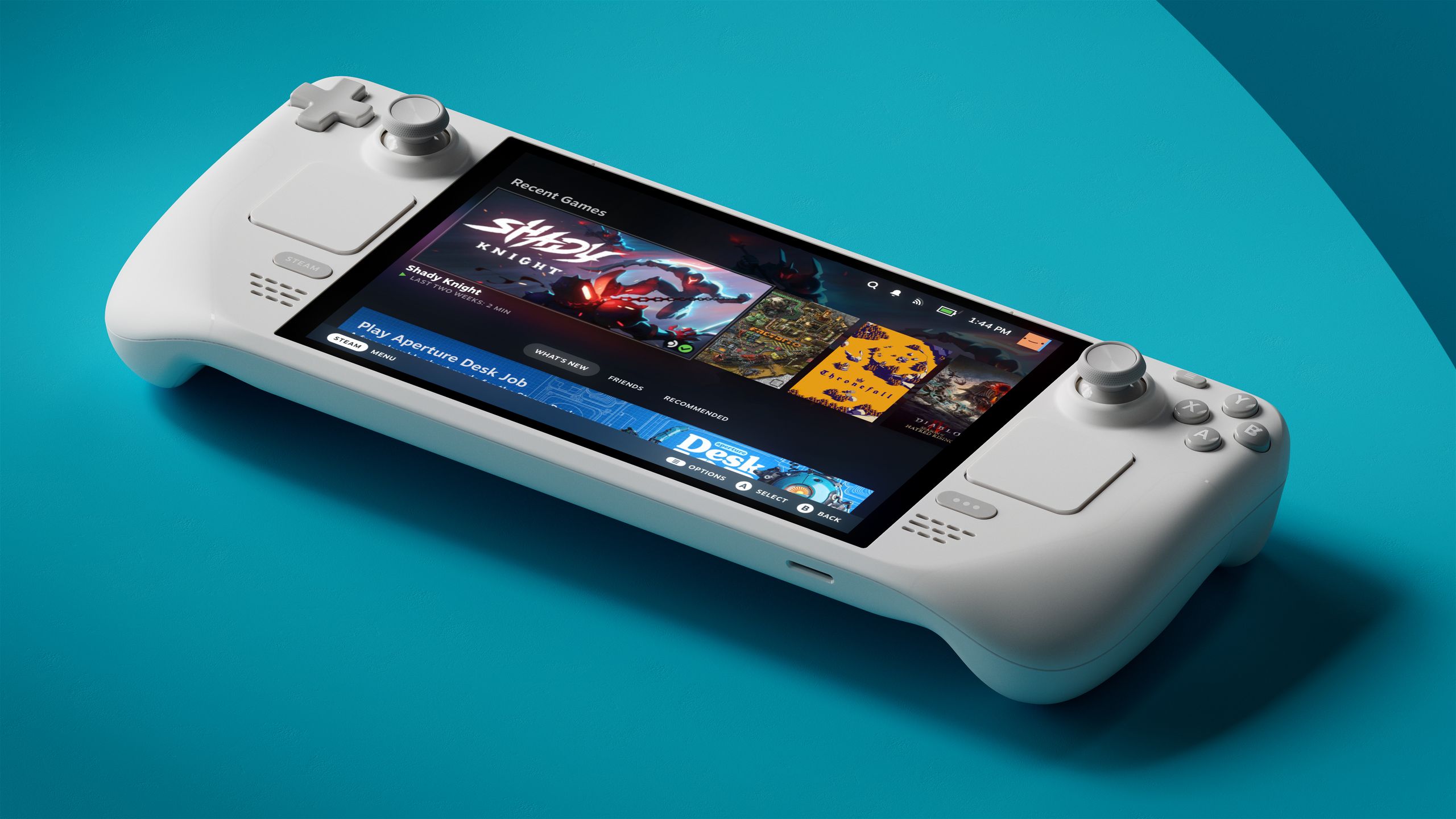
Valve raised Steam Deck prices, with the 1TB model now listed at $949 and the 512GB model cited at $789, reflecting higher component costs tied to AI-driven memory and chip shortages. The article centers on Tim Sweeney's public criticism of Valve and Gabe Newell rather than any operational or financial update, so the market relevance is limited. The only notable forward-looking point is that Valve may price its rumored Steam Machine at $1,000 or more if chip costs remain elevated.
The market takeaway is not the social-media drama; it is that Valve is deliberately moving hardware pricing toward true-cost parity while the rest of the industry still relies on subsidy economics. That matters because it removes the usual console-style cross-subsidy cushion and makes Valve’s hardware stack a cleaner pass-through for memory and storage inflation. The immediate implication is less about demand collapse and more about mix shift: higher prices should pressure entry-tier adoption first, while enthusiasts and PC-native users are far less elastic.
The second-order beneficiary is likely the broader PC ecosystem rather than Valve’s direct hardware competitors. If the Steam Deck and a future living-room device remain priced like premium PCs, consumers will benchmark them against Lenovo/Asus handhelds and DIY mini-PCs, which supports component suppliers and Windows OEMs more than console makers. But there is a hidden risk: if Valve’s pricing validates a higher floor for compact PC hardware, it can accelerate margin expansion across the category, which may be more important than unit share.
The contrarian read is that this is not a demand destruction event unless pricing steps over a psychological threshold. The user base for Valve hardware is unusually tolerant of paying up for openness, OS flexibility, and Steam ecosystem integration, so the demand hit should show up in weeks, not quarters, and likely be concentrated in the lowest-capacity SKUs. The real catalyst to watch is whether AI-related memory tightness persists into holiday planning; if it does, this becomes a broader 2026 handheld and mini-PC ASP re-rating rather than a one-off product headline.
AI-powered research, real-time alerts, and portfolio analytics for institutional investors.
Overall Sentiment
neutral
Sentiment Score
-0.05
