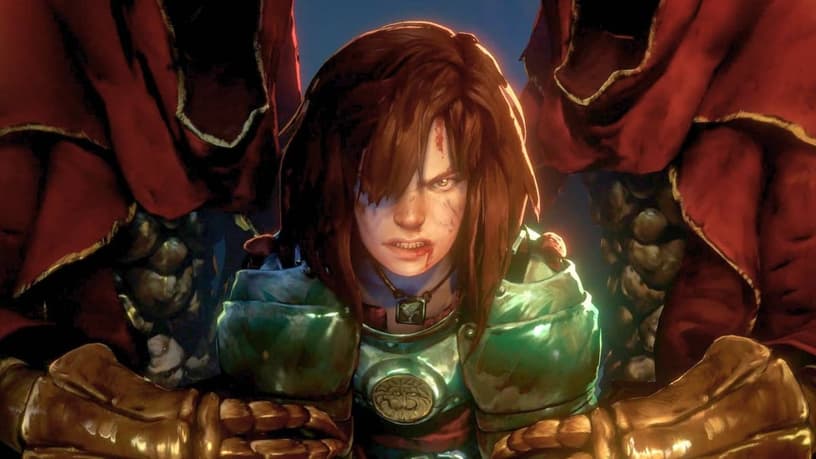
Moon Studios reported that action-RPG No Rest for the Wicked has sold over one million copies on Steam while still in early access, a milestone hit on the eve of the January 22 "Together" update which adds full cooperative play, reworked merchants, shared housing improvements and a group voting system. Strong early-access sales and a major gameplay update ahead of a planned full PC and console release suggest improved player retention and monetization potential, though the announcement lacks publisher-level revenue or release-date specifics and is unlikely to move public markets on its own.
Market structure: A 1M-copy early access milestone signals durable consumer demand for digital-first, community-driven indie titles. Winners are digital distribution platforms, middleware (engine/asset-store) providers, and PC-hardware vendors that capture marginal GPU/CPU sales; losers include physical retailers (GameStop) and marketing-heavy legacy publishers that rely on boxed launches. The pricing power shift favors developers with low marginal distribution cost, increasing gross margins for successful indie publishers and compressing the role of retail shelf space. Risk assessment: Immediate risk (days) is a post-update spike/falloff around the Jan 22 “Together” rollout; short-term (weeks/months) risks include negative reviews, refund waves, or streamer fatigue; long-term (quarters/years) risks include lack of IP stickiness and platform policy changes (revenue share, DRM). Tail risks: platform delisting, class-action refund litigation, or a competing AAA release cannibalizing attention. Hidden dependencies include exclusive platform deals, engine royalties, and streamer-driven discovery dynamics. Trade implications: Position for asymmetric upside in engine and PC-hardware names while trimming physical retail exposure. Use small, defined-size directional positions (1–3%) and volatility-defined option spreads to capture spikes around feature updates and streaming-driven discovery windows. Monitor quant signals (SteamDB peak concurrent players, 30-day revenue, Twitch viewers) as triggers for scaling. Contrarian angles: The market may overrate every indie “1M” hit as sector-wide demand—histor parallels (Among Us, Stardew) show big hits but limited durable uplift across suppliers. Mispricing risk: small-cap suppliers of “indie tools” are often expensive and vulnerable if discoverability fades. Unintended consequence: platforms tightening fees or curation to capture more owner value could reallocate economics away from small developers.
AI-powered research, real-time alerts, and portfolio analytics for institutional investors.
Request DemoOverall Sentiment
moderately positive
Sentiment Score
0.50
