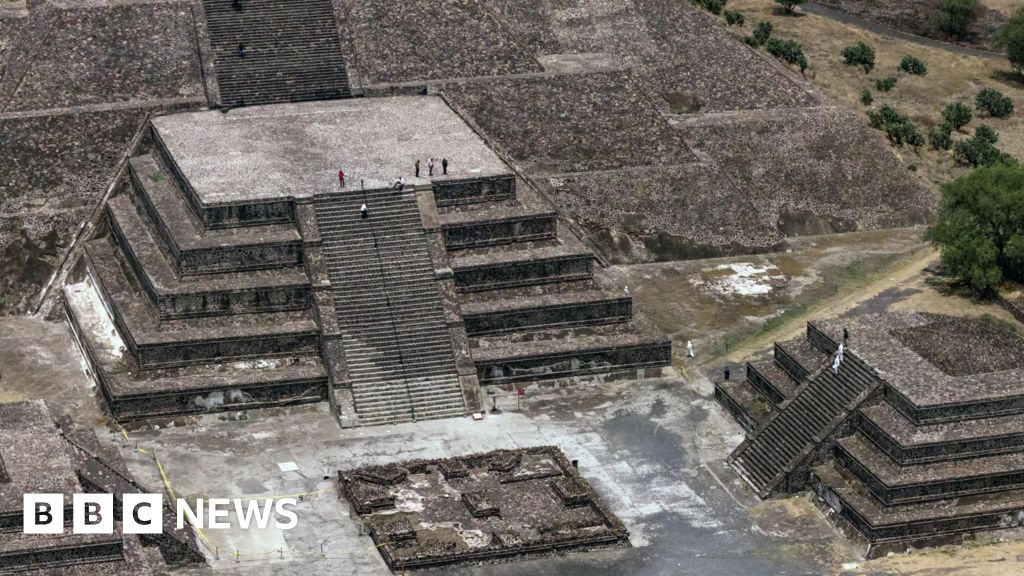
A shooting at Mexico’s Teotihuacán archaeological site left 1 Canadian tourist dead and 13 people injured, prompting the closure of the UNESCO World Heritage site and tighter security measures. Authorities said the 27-year-old gunman acted alone, carried materials referencing violent incidents including Columbine, and showed signs of psychological problems. Mexico will reopen Teotihuacán with reinforced security and install metal detectors at archaeological sites, while also boosting safety ahead of the June World Cup in Mexico City.
The immediate market read-through is not Mexico-specific GDP risk; it is a confidence shock to the country’s premium tourism narrative. High-visibility attacks at marquee heritage sites tend to have an outsized booking impact because they change perceived safety far faster than aggregate crime statistics, and that effect usually shows up first in discretionary short-haul travel, tour operators, and inbound spending rather than in broad EM assets. The second-order issue is operational: visible security hardening at destination sites raises friction for visitor flow, which can depress conversion even if arrivals later normalize.
The more interesting trade is around event-risk repricing into the World Cup. Authorities will likely over-invest in visible security in the next 6-8 weeks, which should cap downside in related hospitality names if the response is credible; but the penalty-box risk is that any follow-on incident would turn a contained tourism story into a broader “Mexico event safety” narrative. That matters because global sports events are driven by forward bookings, and those are most vulnerable to negative headlines in the 60-120 day window before kickoff.
Contrarian view: the selloff in Mexico-exposed tourism assets may be too blunt if investors conflate site-specific insecurity with nationwide travel demand. Foreign arrivals can remain resilient when incidents are highly localized and authorities respond quickly, especially for business travel and resort corridors that are insulated from archaeological-site access points. The better way to express the risk is not a blanket macro short, but a relative-value trade between direct tourism beneficiaries and defensive domestic consumers that gain from security spending and reduced discretionary leakage.
AI-powered research, real-time alerts, and portfolio analytics for institutional investors.
Request DemoOverall Sentiment
strongly negative
Sentiment Score
-0.60
