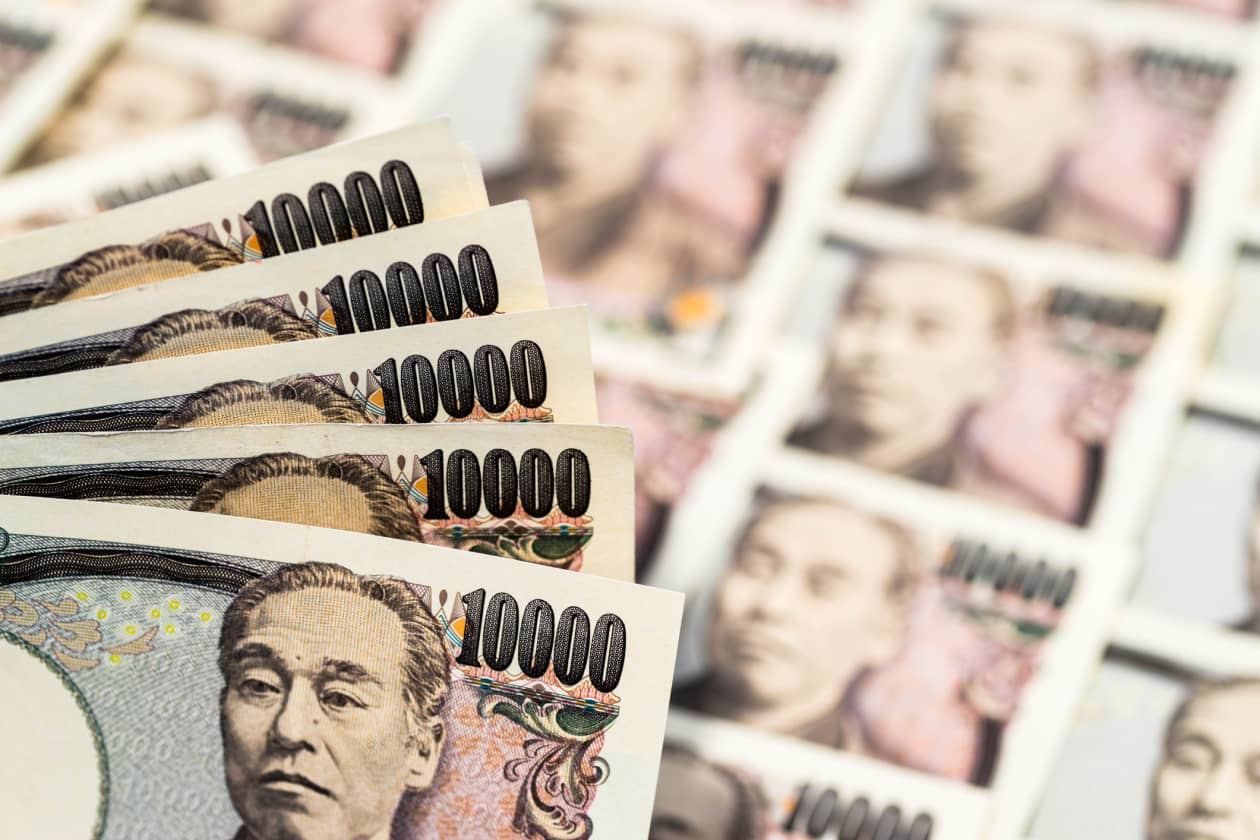
Japan reportedly intervened with an estimated $35 billion to support the yen, helping it rebound 2.4% on Thursday to 157.07 per dollar, its biggest one-day gain since January 2023. However, high oil prices tied to the Iran war are intensifying Japan's inflation concerns and limiting the yen's recovery prospects. The move is significant for FX markets and Japanese policy, but the near-term outlook remains cautious and volatile.
Japan’s intervention is best viewed as a short-volatility event, not a regime change. The market can respect a defended level for days, but unless the rate differential compresses, rallies in the yen will keep fading as carry flows reassert. High oil is the key second-order problem: it worsens Japan’s terms of trade, lifts the import bill, and forces domestic investors to hedge foreign assets more aggressively, which mechanically pressures the currency back down.
The more important transmission is not FX alone but imported inflation. If energy stays elevated, the BOJ gets boxed in: tighter policy risks destabilizing fragile domestic demand, while staying loose risks another leg higher in inflation expectations and a renewed selloff in JGBs. That creates an asymmetric setup where the government may keep spending reserves on intervention, but the market can force a retest unless crude cools or U.S.-Japan rate spreads narrow meaningfully.
The beneficiaries are Japanese exporters with overseas revenue but low energy sensitivity, while domestic consumer-discretionary, transport, and utilities are likely to feel the squeeze from higher import costs and weaker real purchasing power. The real loser is any asset premised on a sustainably stronger yen before the BOJ can credibly change the policy mix; this is a tactical defense, not a structural fix.
Consensus may be underestimating how quickly oil can overwhelm intervention psychology. If energy stays bid for another 2-6 weeks, the market will stop trading the headline size of the intervention and start trading the policy inconsistency behind it. The higher-probability outcome is a choppy, mean-reverting yen with lower realized vol than the headline suggests, but with downside convexity still intact if crude spikes again.
AI-powered research, real-time alerts, and portfolio analytics for institutional investors.
Request DemoOverall Sentiment
mildly negative
Sentiment Score
-0.15
