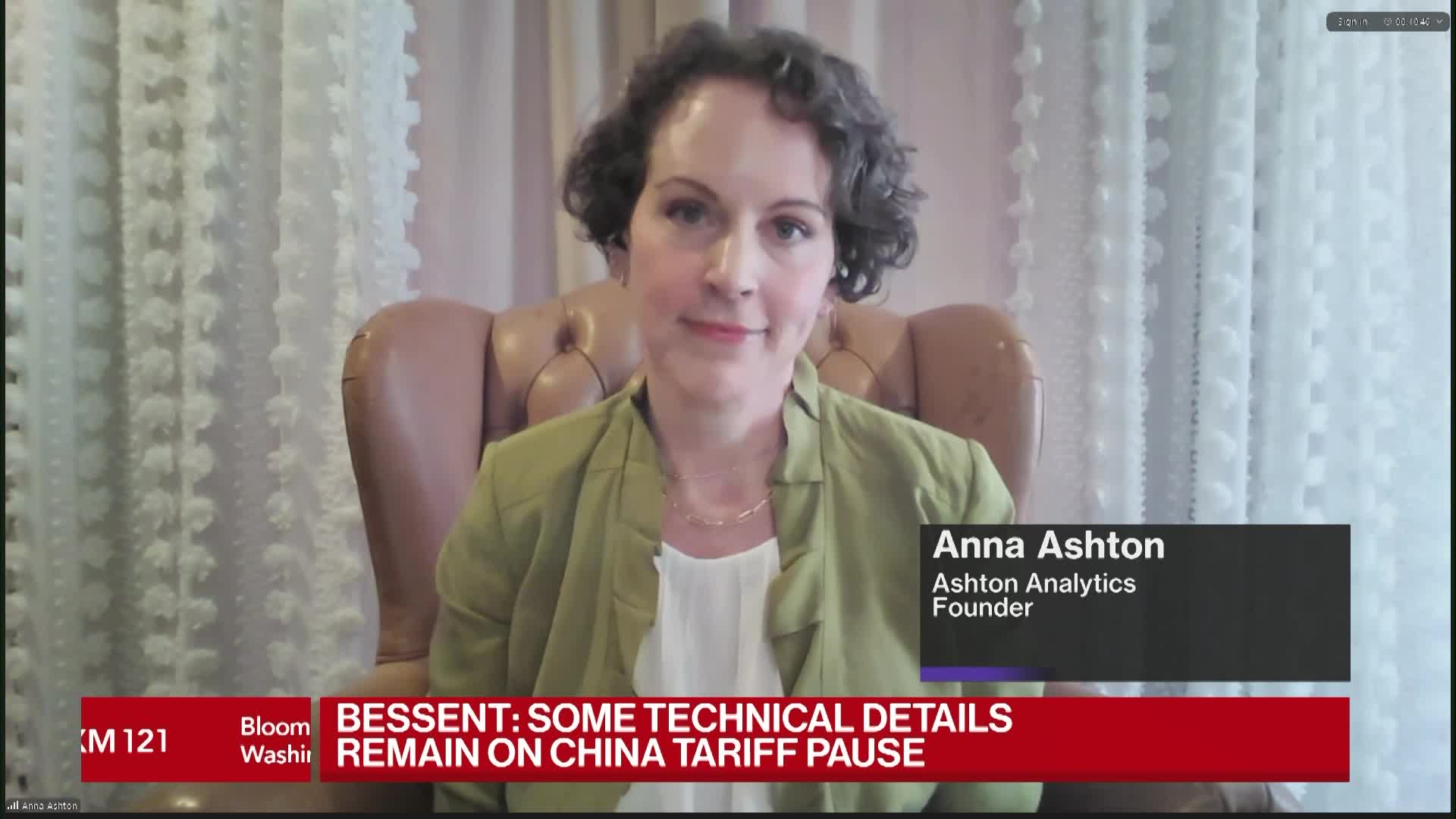
The European Union and the United States have finalized a trade agreement, set to include 15% tariffs, a deal made by the Trump administration and reported on July 28, 2025. However, analysts like Greta Peisch note the agreement's lack of detail, which could introduce uncertainty regarding its comprehensive scope and long-term impact on transatlantic trade relations.
A new trade agreement has been reached between the United States and the European Union, reportedly establishing a 15% tariff structure. This deal, attributed to the Trump administration as of July 28, 2025, aims to redefine the terms of transatlantic commerce. However, the initial announcement is critically undermined by a noted lack of specific details, as highlighted by analyst Greta Peisch. This absence of clarity, reflected in the 'uncertain' tone and mixed sentiment score, introduces significant ambiguity for businesses regarding the scope of the tariffs, the products affected, and the implementation timeline. The imposition of a flat 15% tariff, while providing a headline number, represents a material new cost that will likely disrupt established supply chains and pressure margins for companies operating in this corridor. The high market impact score of 0.65 suggests that while a 'deal' is in place, its ambiguous nature creates immediate operational and strategic challenges for exposed sectors. The concurrent geopolitical context involving the administration's pressure on Russia further complicates the outlook, indicating this trade policy may be intertwined with broader foreign policy objectives.
AI-powered research, real-time alerts, and portfolio analytics for institutional investors.
Request DemoOverall Sentiment
mixed
Sentiment Score
-0.05
