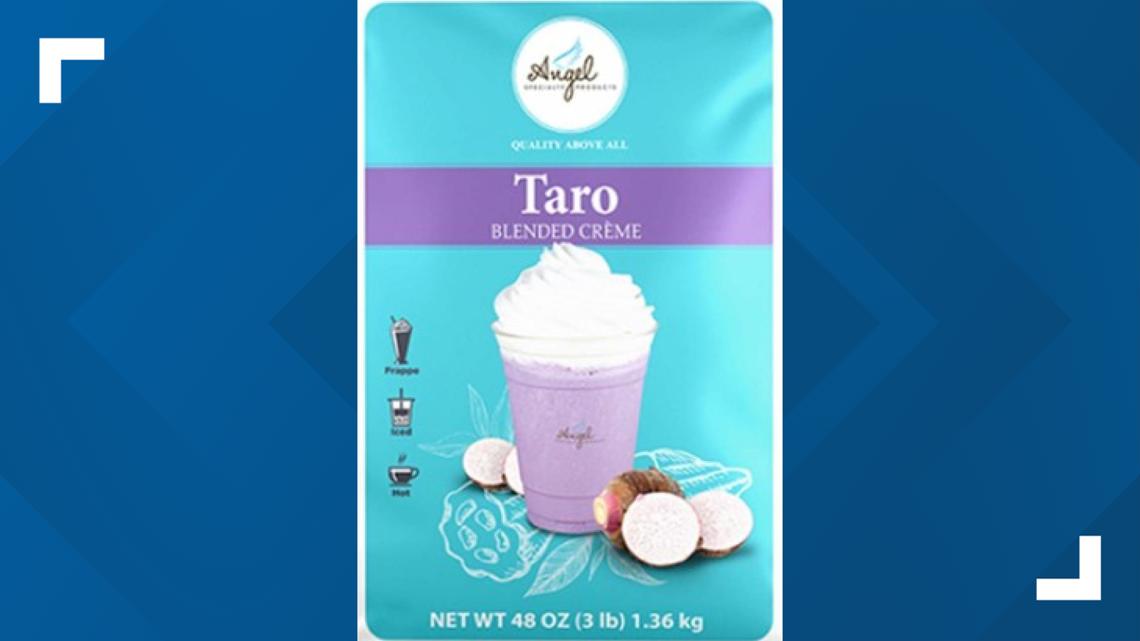
SKS Copack has recalled specialty drinks in 25 states due to potential salmonella contamination tied to milk powder, with no illnesses reported so far. The recall affects products sold through cafes, restaurants, and direct delivery, spanning multiple brands and lot codes with best-by dates from Aug. 17, 2027 to Oct. 27, 2027. Consumers are advised to return affected items for a full refund.
This is not a broad consumer scare; it is a targeted contamination event that primarily hits the branded powder/ingredient layer of the boba and specialty beverage supply chain. The immediate loser is the royalty/ingredient ecosystem tied to premium drink mixes, where customer behavior can shift faster than the recall itself because cafe operators hate menu complexity and compliance risk. The second-order effect is that independents and small chains will likely substitute toward larger, more diversified suppliers with tighter QA documentation, which can compress share for smaller specialty powder brands even if the direct recall volume is limited.
The market read-through for the beverage-adjacent group is more about trust erosion than unit revenue loss. Repeated recalls tied to the same upstream milk powder source increase the probability that distributors widen approval standards, demand indemnities, or temporarily delist certain SKUs, creating a 1-2 quarter drag on reorder velocity. That matters most for premium flavors and functional beverages, where brand equity is fragile and consumers can switch to adjacent categories without much friction.
For RGLD specifically, the direct earnings hit is likely immaterial, but the print reinforces a negative perception of exposure to recall-linked supply chain noise. The more important risk is that this becomes a recurring headline cycle if other products tied to the same milk powder reappear, extending the overhang from days into months. A clean resolution with no illnesses should cap downside, but if regulators broaden the scope or identify distribution gaps, that would force account-level restocking disruptions beyond the affected SKUs.
The contrarian view is that the selloff risk may be overdone relative to actual economic damage: these are niche items, not mass grocery staples, and the lack of reported illness reduces the chance of a punitive escalation. The better signal is whether cafes and restaurant chains switch vendors in the next 30-60 days; if they do, this becomes a share-shift story rather than a one-off recall. That would be more negative for smaller specialty powder suppliers than for the broader beverage category.
AI-powered research, real-time alerts, and portfolio analytics for institutional investors.
Request DemoOverall Sentiment
moderately negative
Sentiment Score
-0.30
Ticker Sentiment
