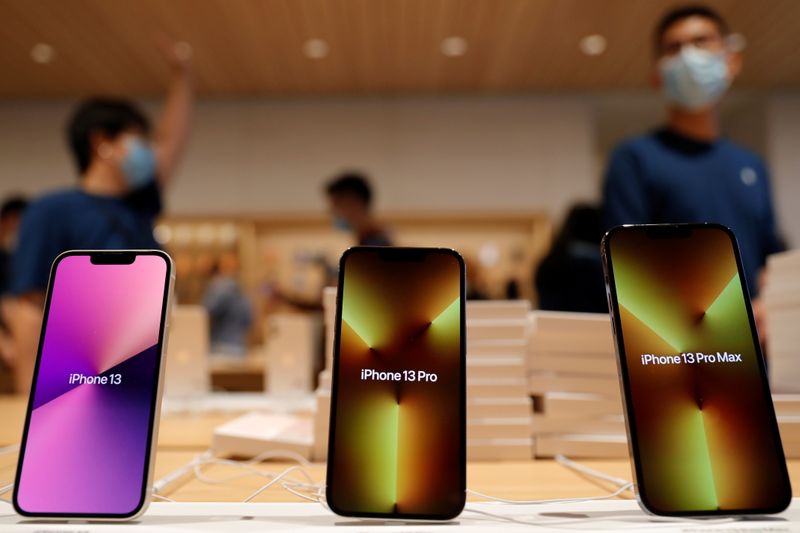
Barclays upgraded Skyworks Solutions to Overweight and lifted its price target to $70 from $60, but the call is driven by concern that Apple will delay low-end iPhone launches into 2027 from 2026. The delay could leave Skyworks with materially lower units in its seasonally important September and December periods, pressuring revenue growth that was recently just 0.22%. Despite the upgrade, the note remains cautious on handset exposure and long-term share loss risk.
The near-term winner here is not just Apple’s handset rivals; it is any supplier whose content is tied more to premium refresh cycles than to low-end unit volume. If lower-tier iPhone demand is pushed out, the supply chain gets a temporary inventory air pocket that can ripple through RF, analog, and module vendors with a 2-3 quarter lag, even if end-market demand is not destroyed. That usually means consensus EPS revisions stay too high for one or two quarters before the cut cycle finally catches up.
For Apple, the bigger issue is not the delayed units themselves but the mix effect: a weaker low-end ramp leaves average selling prices and ecosystem attach rates less incremental than expected, while increasing dependency on premium models and services to fill the gap. That creates a subtle negative for component suppliers that have already defended share in larger sockets — they may win design content but still lose aggregate dollars because the unit base shrinks. The knock-on beneficiaries are likely the higher-end RF/content vendors and, more importantly, non-Apple Android OEMs that can capture budget-conscious upgrade demand.
The contrarian angle is that SWKS may be too cheap to short on valuation alone because the market can already see the next few quarters of pain, but the timing of the “recovery” may be too optimistic. If Apple’s internal modem transition is real, the more important catalyst is not a one-quarter delay in low-end launches, but a multi-year erosion of socket relevance that can compress growth durability and terminal multiples. In that setup, rallies on optimistic Apple calendar chatter should be sold rather than bought until the market sees evidence of stabilization in content per phone and unit normalization.
Risk to the bearish thesis: a better-than-expected iPhone cycle or a mix shift back to premium/SE-style pricing could re-accelerate content and force another round of upside revisions. That would likely show up first in the next 1-2 earnings prints, not immediately in the stock, so the trade has to be time-bound. If management commentary confirms flat-to-up content but unit softness persists, the stock can stay range-bound and premium decay becomes the better expression than outright directional risk.
AI-powered research, real-time alerts, and portfolio analytics for institutional investors.
Request TrialOverall Sentiment
mildly negative
Sentiment Score
-0.25
Ticker Sentiment
